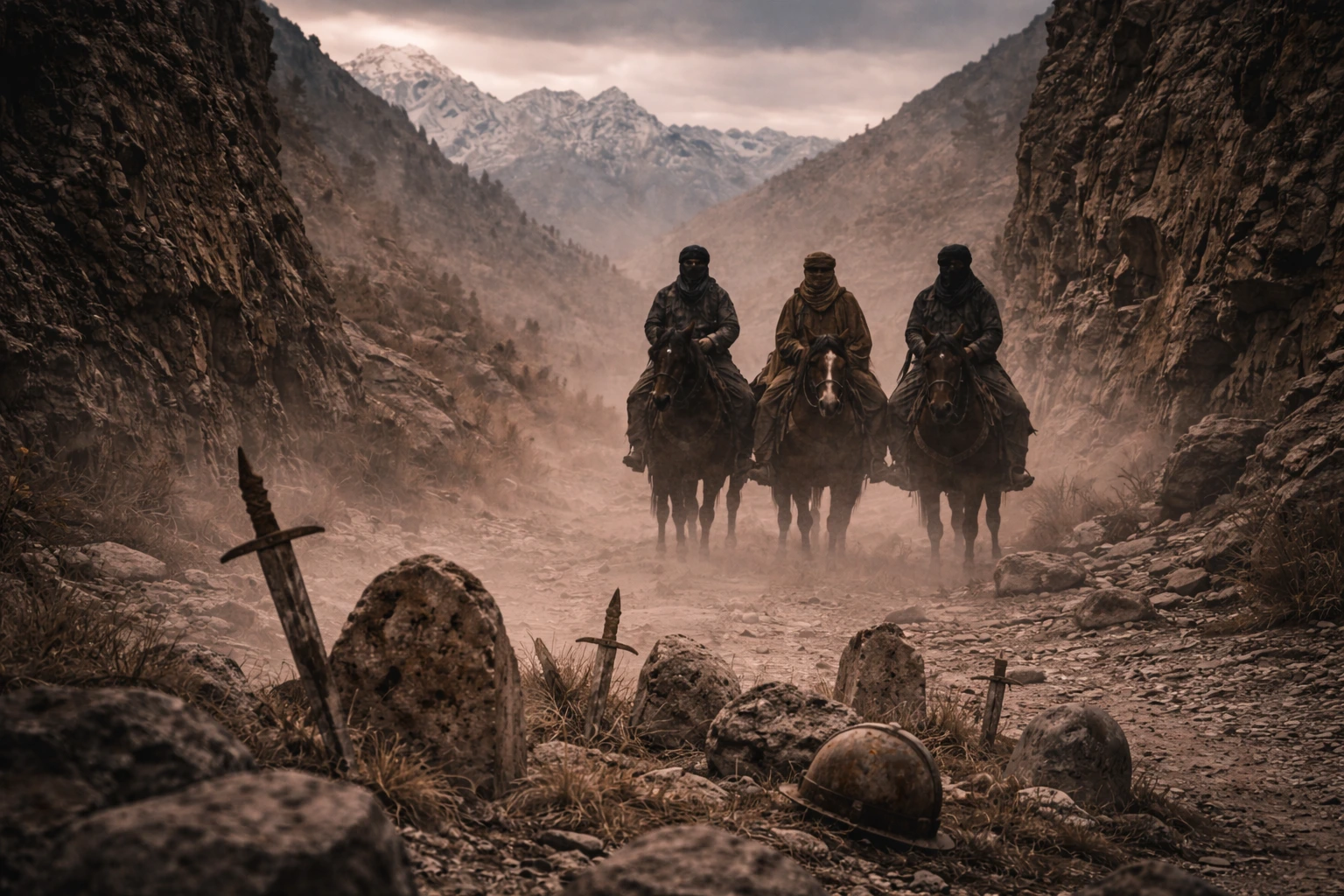
Afghanistan is often described as the “Graveyard of Empires,” a phrase widely used in media, politics, and popular discussions. The term suggests that powerful foreign empires enter Afghanistan but eventually fail or withdraw. While this idea sounds dramatic, the reality is more complex. Some parts of this narrative are rooted in history, while others are oversimplified or exaggerated.
Geography, Strategy, and Historical Context
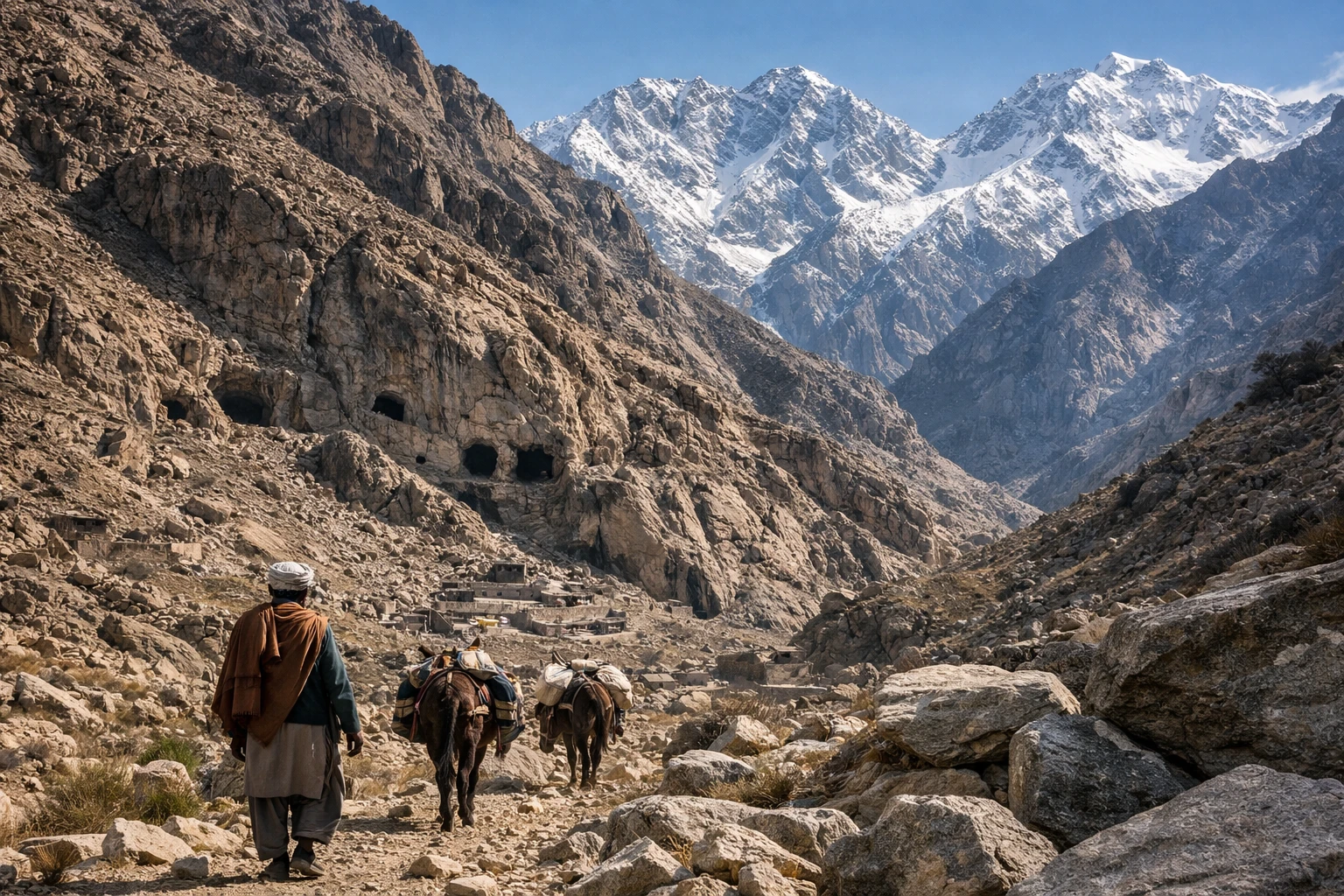
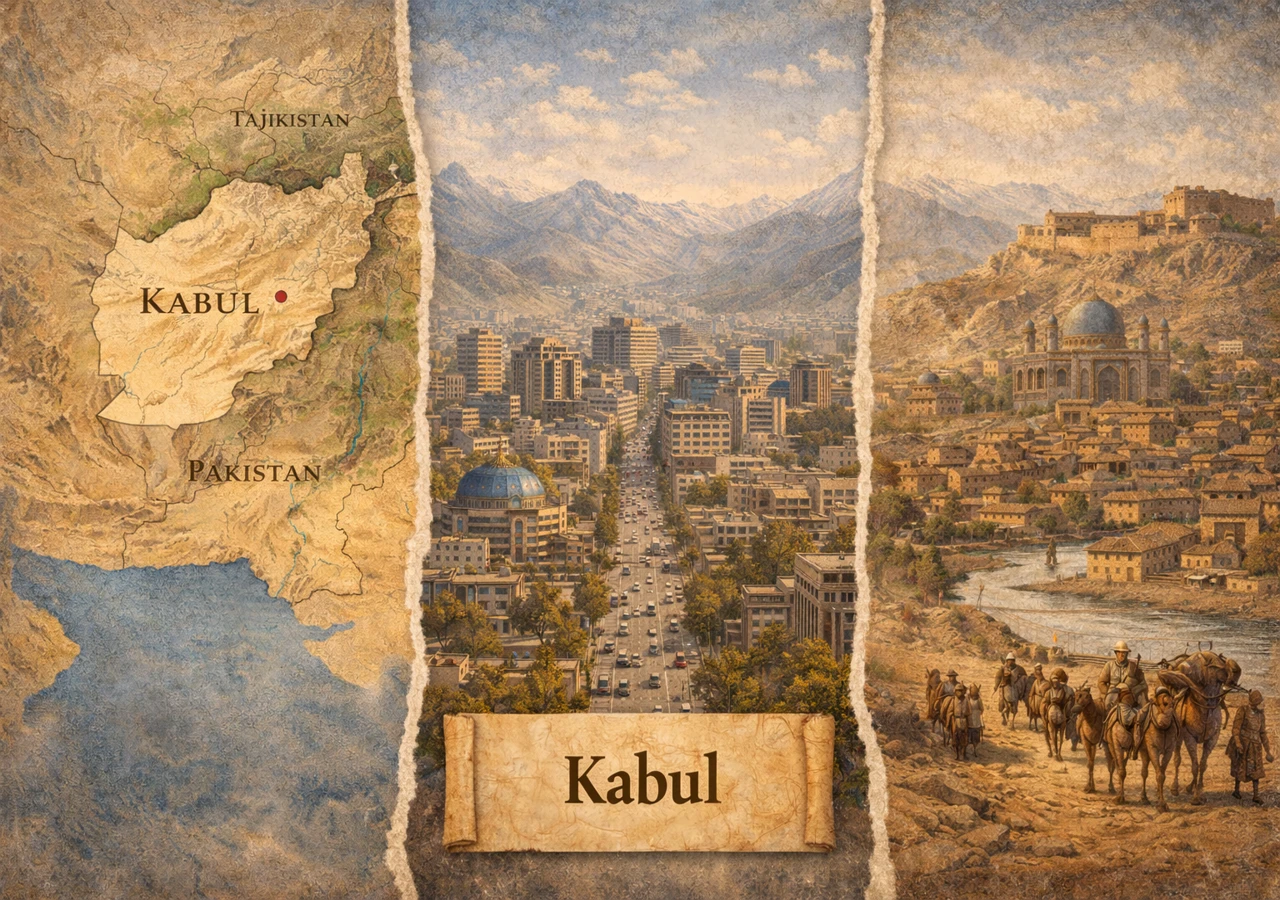
Afghanistan’s geography has played a major role in shaping its history. The country sits at the crossroads of Central Asia, South Asia, and the Middle East. Its rugged mountains, especially the Hindu Kush, deep valleys, deserts, and harsh climate have made large-scale military control difficult.
Historically, mountain passes through Afghanistan were important trade and invasion routes, including parts of the ancient Silk Road. These routes made the region strategically valuable—but also hard to govern. Geography did not make Afghanistan impossible to conquer, but it made long-term centralized control costly and complicated.
Why the “Graveyard of Empires” Idea Became Popular
The phrase became popular in modern usage after the Soviet invasion (1979–1989) and later the U.S.-led war (2001–2021). Both superpowers withdrew after long, expensive conflicts that failed to produce lasting stability.
Earlier examples are often cited as well, including British campaigns in the 19th century and references to Alexander the Great. These cases helped build the idea that Afghanistan defeats all outsiders. Politicians and commentators frequently repeat the phrase to explain military failure or warn against intervention.
This narrative is powerful, simple, and emotionally appealing—but it does not tell the full story.
The Reality: Empires Often Ruled Afghanistan
Historically, many empires did conquer and rule territories that are now part of Afghanistan:
- The Achaemenid Persian Empire
- Alexander the Great and his successors
- The Mauryan Empire
- Kushan, Mongol, Timurid, and Mughal rulers
In many cases, these empires governed Afghanistan for decades or even centuries. They did not collapse because of Afghanistan alone. Instead, they adapted by allowing local autonomy, working with tribal structures, or maintaining loose control rather than strict central rule.
This challenges the idea that Afghanistan automatically destroys empires.
Modern Wars and Their Different Outcomes
In modern history, foreign interventions had very different consequences for outside powers and for Afghanistan itself.
The Soviet Union suffered heavy losses in Afghanistan, but its collapse was caused by multiple internal and economic problems, not only the Afghan war. For the United States, the war in Afghanistan was long and costly, but it did not weaken the country’s global power in a decisive way.
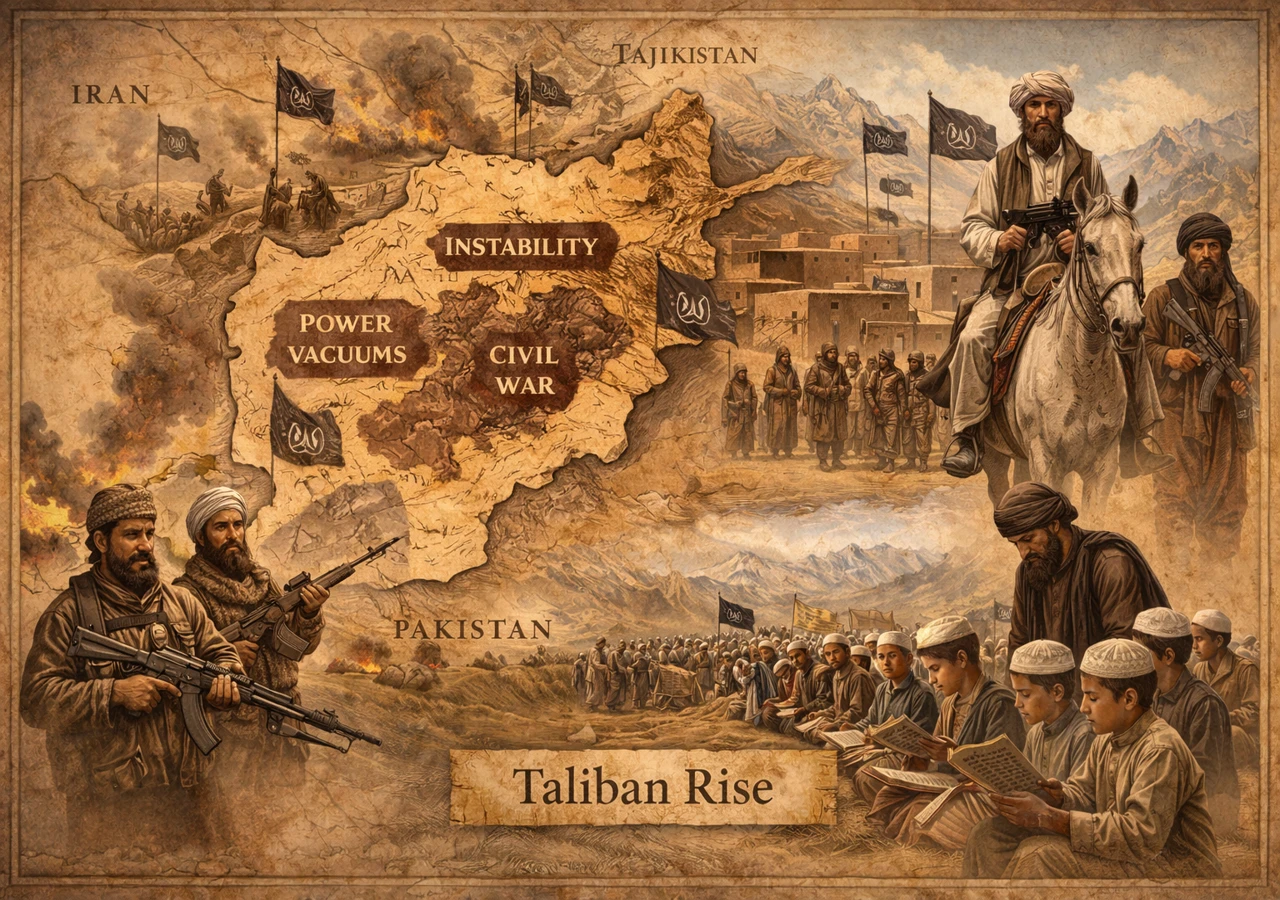
For Afghanistan, however, the impact was devastating. Millions were displaced, hundreds of thousands were killed, and infrastructure was destroyed. In this sense, Afghanistan became less a “graveyard of empires” and more a graveyard for its own people.
Myth vs. Reality
The idea of Afghanistan as the “Graveyard of Empires” is partly a myth built from selective history. It ignores periods of successful imperial rule and simplifies complex political failures into a single dramatic label.
At the same time, there is some truth behind the phrase. Foreign powers have repeatedly underestimated local dynamics, geography, tribal structures, and regional politics. Attempts at direct, centralized control—especially by external forces—have usually failed.
Afghanistan is not unconquerable, but it is extremely difficult to control without local legitimacy and long-term understanding.
Conclusion
Afghanistan is often called the “Graveyard of Empires,” but history shows a more nuanced reality. Empires did not come to Afghanistan simply to fail; many ruled parts of it successfully for long periods. The real pattern is that foreign powers struggle when they attempt to impose control without adapting to local conditions.
The phrase survives because it is memorable and symbolic—but it should be understood as a metaphor, not a historical rule. In reality, Afghanistan’s greatest losses have been suffered not by empires, but by its own people.




No Comments