Religion plays an important role in Afghan society and daily life. For most Afghans, religious belief is closely connected to cultural traditions, moral values, and community practices. While Afghanistan is religiously diverse in a limited sense, the vast majority of the population follows one religion.
Religion in Afghan Society
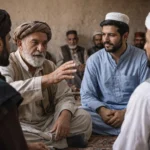
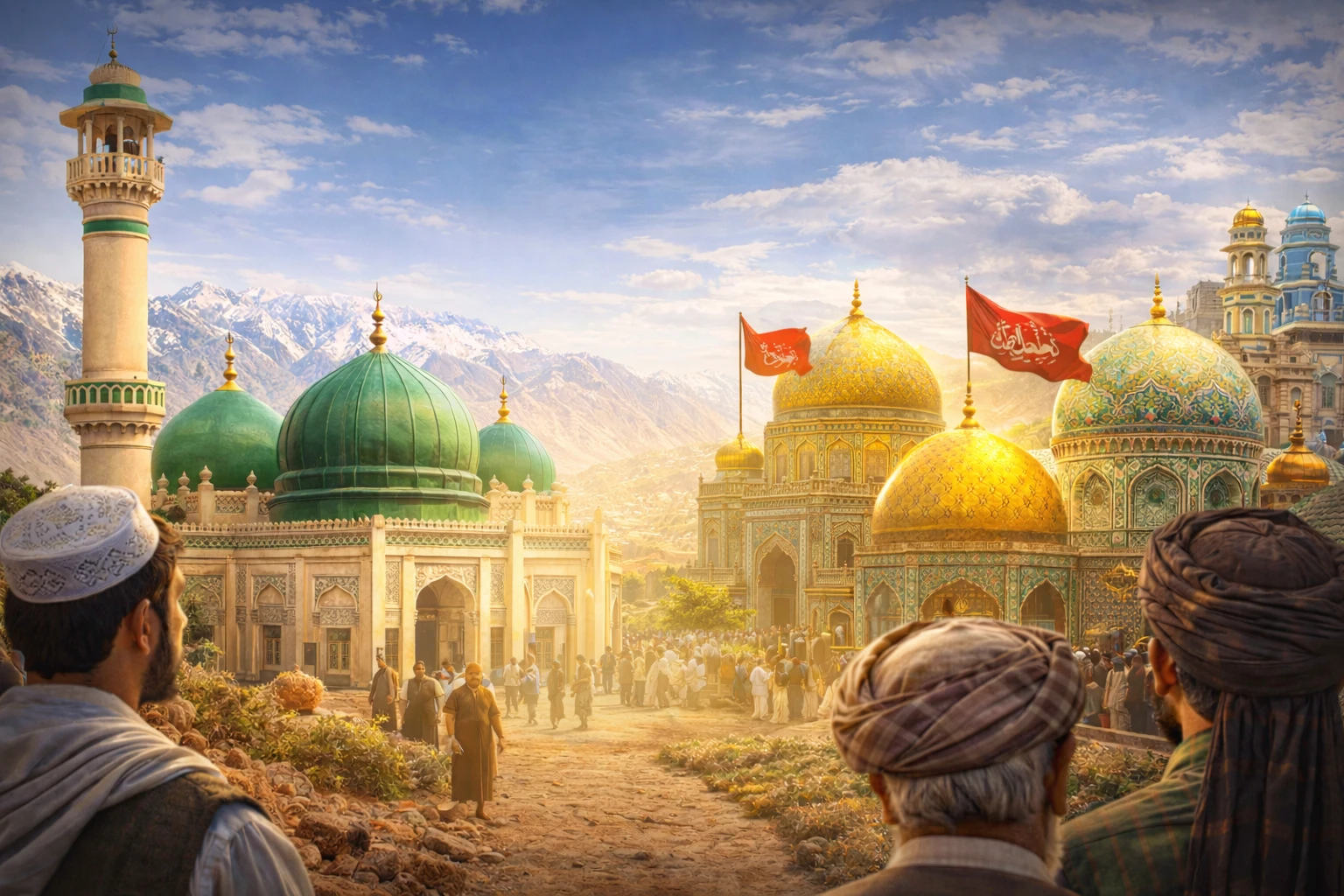
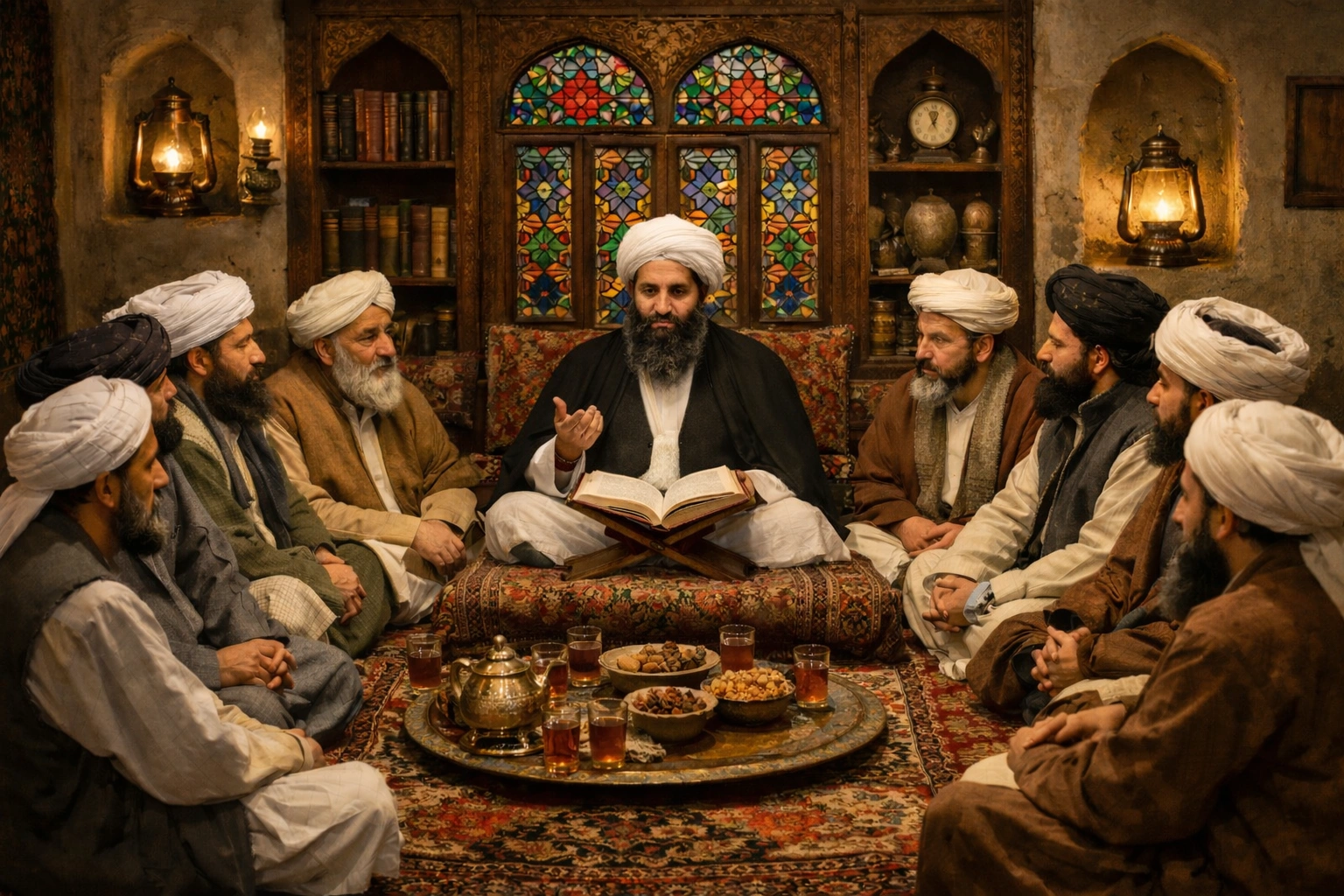
In Afghanistan, religion is not only a personal belief but also a social and cultural framework. Religious customs influence daily routines, family life, holidays, and community relationships. Mosques, religious gatherings, and faith-based traditions are part of everyday life in many areas.
Islam as the Main Religion
The overwhelming majority of Afghans follow Islam. Islam has been practiced in Afghanistan for more than a thousand years and remains the dominant religion across all regions and ethnic groups.
Islam shapes many aspects of Afghan culture, including:
- Social values
- Family traditions
- Religious holidays
- Moral norms
For most people, Islamic practices are integrated naturally into daily life.
Sunni Islam
Most Afghan Muslims follow Sunni Islam. Sunni communities are found throughout the country and include members of all major ethnic groups.
Sunni Islam in Afghanistan generally follows traditional practices and local customs, with religious life centered around mosques, prayer, and community events.
Shia Islam
A smaller but significant portion of the population follows Shia Islam. Shia Muslims are mainly found among certain communities and regions, particularly in central areas.
Shia religious practices include their own mosques, rituals, and religious commemorations, which are observed openly within their communities.
Religious Minorities
Afghanistan has historically included small religious minority communities. These have included groups such as Hindus and Sikhs, mainly in urban areas.
Today, these communities are very small in number, but they remain part of Afghanistan’s historical and cultural record.
Religion and Daily Life
For many Afghans, religion influences:
- Daily prayer routines
- Dietary habits
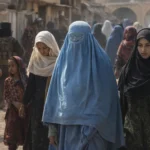
- Dress norms
- Marriage and family customs
However, the level of religious observance can vary widely depending on region, family background, and personal belief.
Religion and Cultural Identity
Religion in Afghanistan is often closely tied to cultural identity rather than formal religious education alone. Many customs blend religious belief with long-standing local traditions, creating a unique social environment.
Conclusion
Most Afghans follow Islam, making it the dominant religion in Afghanistan. The majority are Sunni Muslims, with a notable Shia Muslim minority and a very small number of other religious communities. Religion remains a central part of Afghan society, influencing daily life, culture, and social values.



No Comments