Life for women in Afghanistan today is shaped by social rules, family structures, economic conditions, and current restrictions. Women’s daily experiences vary by location, family background, and access to resources, but overall, their lives are more limited than in many other countries. Understanding this topic requires focusing on everyday realities rather than political slogans.
Current Conditions for Women
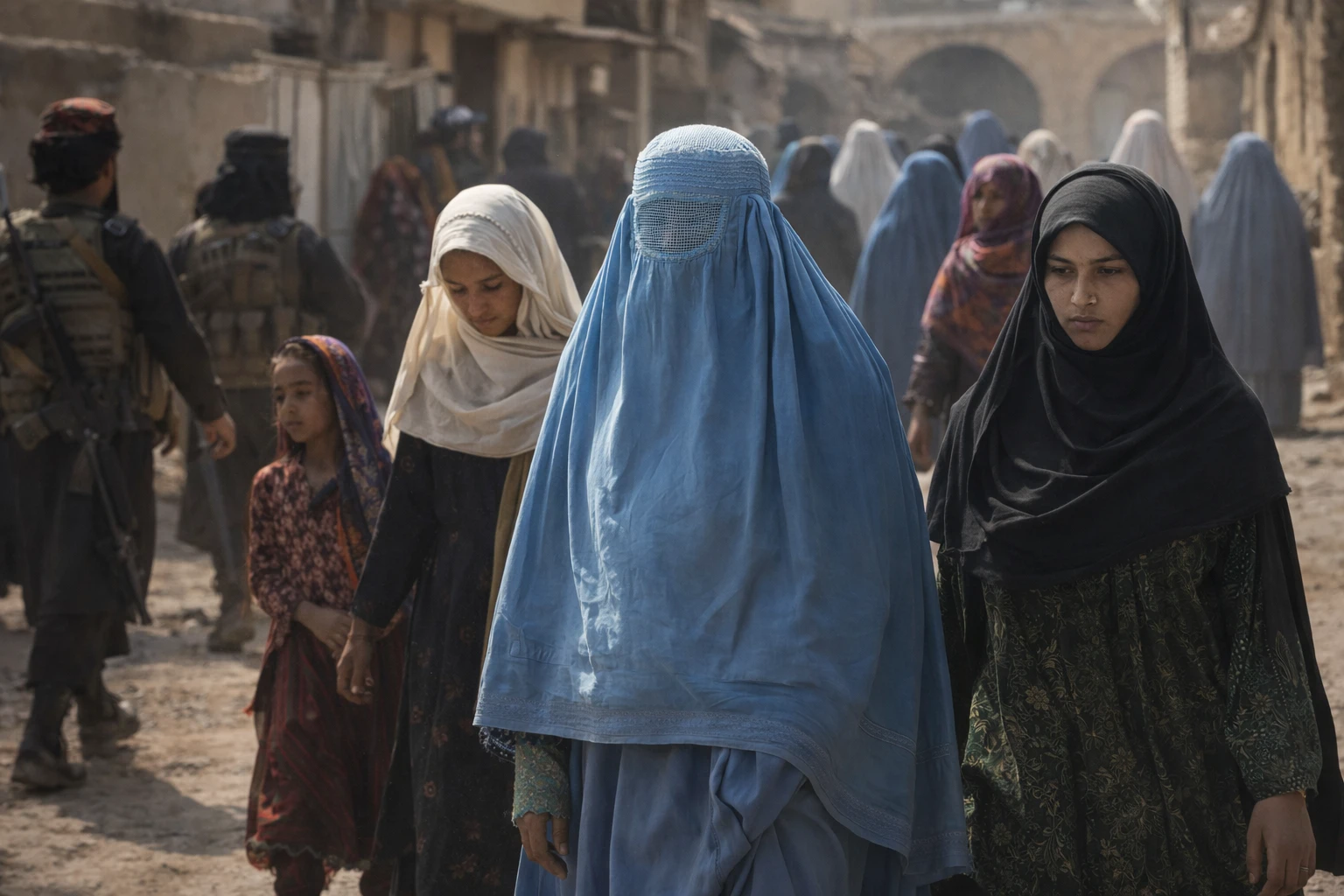
Today, women in Afghanistan face significant restrictions in public life. Their participation in education, employment, and public spaces is limited compared to previous years. These conditions affect daily routines, independence, and long-term opportunities.
For many women, daily life now centers mostly on the home and close family environment.
Family and Household Roles
Family life plays a central role in women’s daily lives. Many women are responsible for:
- Managing household tasks
- Caring for children and elderly family members
- Preparing food
- Maintaining family routines
In extended families, women often support one another, sharing responsibilities and emotional support.
Education and Learning
Access to formal education for girls and women is currently restricted in many areas. While some girls attend primary-level schooling depending on location, opportunities beyond that level are limited.
As a result, many women rely on:
- Informal learning at home
- Family-based education
- Skills passed down through relatives
This has long-term effects on personal development and future independence.
Work and Economic Life
Employment opportunities for women are very limited. Some women are able to work in:
- Healthcare roles
- Small home-based activities
- Handicrafts or tailoring
However, most women do not have access to formal jobs. Economic dependence on family members has increased, especially in urban households that previously relied on women’s income.
Social Life and Community Interaction
Women’s social interaction is often limited to family members, neighbors, and close relatives. Community gatherings may take place in private settings rather than public spaces.
Despite restrictions, women maintain social connections through:
- Family visits
- Religious gatherings
- Local support networks
Urban and Rural Differences
Life for women differs between cities and rural areas. In rural communities, traditional roles have long shaped daily life, so changes may feel less sudden. In cities, however, women who were previously active in education or work have experienced more dramatic lifestyle changes.
Coping and Resilience
Women in Afghanistan show resilience through adaptation. Many focus on supporting their families, educating children at home, and maintaining social bonds. Quiet forms of resilience—patience, cooperation, and mutual support—are central to daily survival.
Challenges Faced by Women
Daily challenges include:
- Limited freedom of movement
- Restricted access to education
- Economic dependence
- Reduced public visibility
These challenges affect both emotional well-being and long-term prospects.
Conclusion
Life for women in Afghanistan today is marked by restriction, adaptation, and resilience. While daily experiences vary, most women face significant limits on education, work, and public life. Understanding their situation requires attention to everyday realities rather than simplified narratives, recognizing both the challenges they face and the strength they show in managing daily life.



No Comments