Afghanistan today is a country shaped by stability in security, strict social and administrative limitations, and ongoing economic hardship. Daily life has become more predictable compared to previous years, yet it is also more restricted. Understanding Afghanistan today requires looking at security, governance, economy, and social life together—not in isolation.
General Daily Life
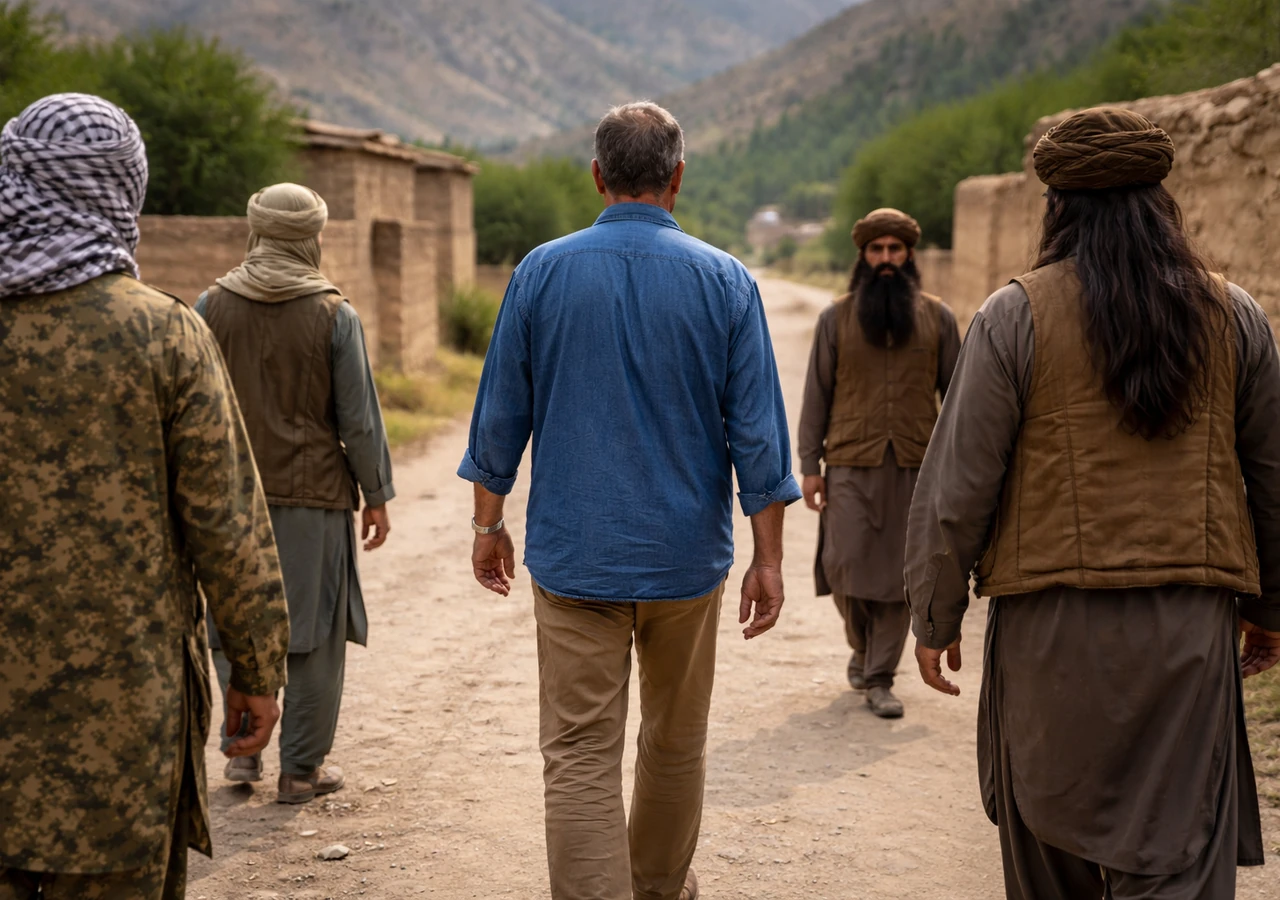
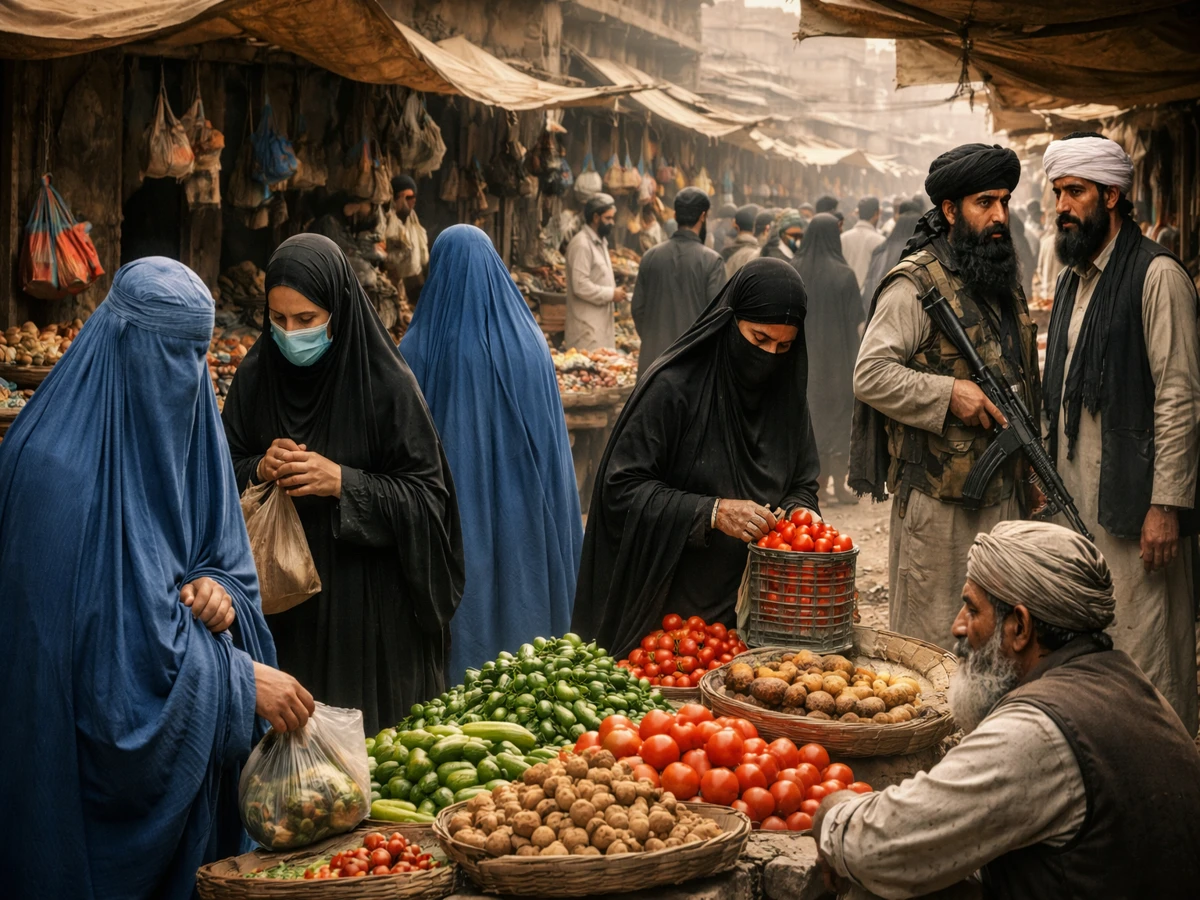
For most people, daily life in Afghanistan is calm but constrained. Markets operate, cities function normally, and families follow regular routines. However, social freedoms are limited, and many activities require caution and awareness of rules.
Life is orderly, but not flexible.
Security Situation Today
Security has noticeably improved across much of the country, especially in major cities and along main roads. Large-scale fighting is no longer a daily reality in most populated areas.
Key security characteristics include:
- Fewer armed clashes in cities
- Strong control of public order
- Predictable security presence
For ordinary citizens, daily movement is generally safe, though closely monitored.
Restrictions and Regulations
While security has improved, restrictions have increased. These affect many aspects of life, including:
- Freedom of movement
- Media and expression
- Photography and public behavior
Rules are enforced strictly, and violations—even unintentional ones—can cause problems.
Economic Conditions
Economic challenges remain one of the biggest issues facing Afghanistan today.
Common economic difficulties include:
- High unemployment
- Reduced incomes
- Limited job opportunities
- Rising living costs
Many families rely on informal work, family support, or humanitarian assistance to meet basic needs.
Employment and Livelihoods
Formal employment opportunities are limited. Small businesses, street vending, agriculture, and manual labor provide income for many households. Skilled professionals often struggle to find stable work matching their qualifications.
Economic uncertainty affects long-term planning for families and young people.
Education and Learning
Education continues but with significant limitations. Access depends on gender, location, and level of schooling. Many students rely on informal learning, home education, or online resources where available.
Education remains a major concern for families focused on their children’s future.
Social and Cultural Life
Afghan society remains strongly family-centered. Social life mostly takes place within homes or close communities rather than public spaces.
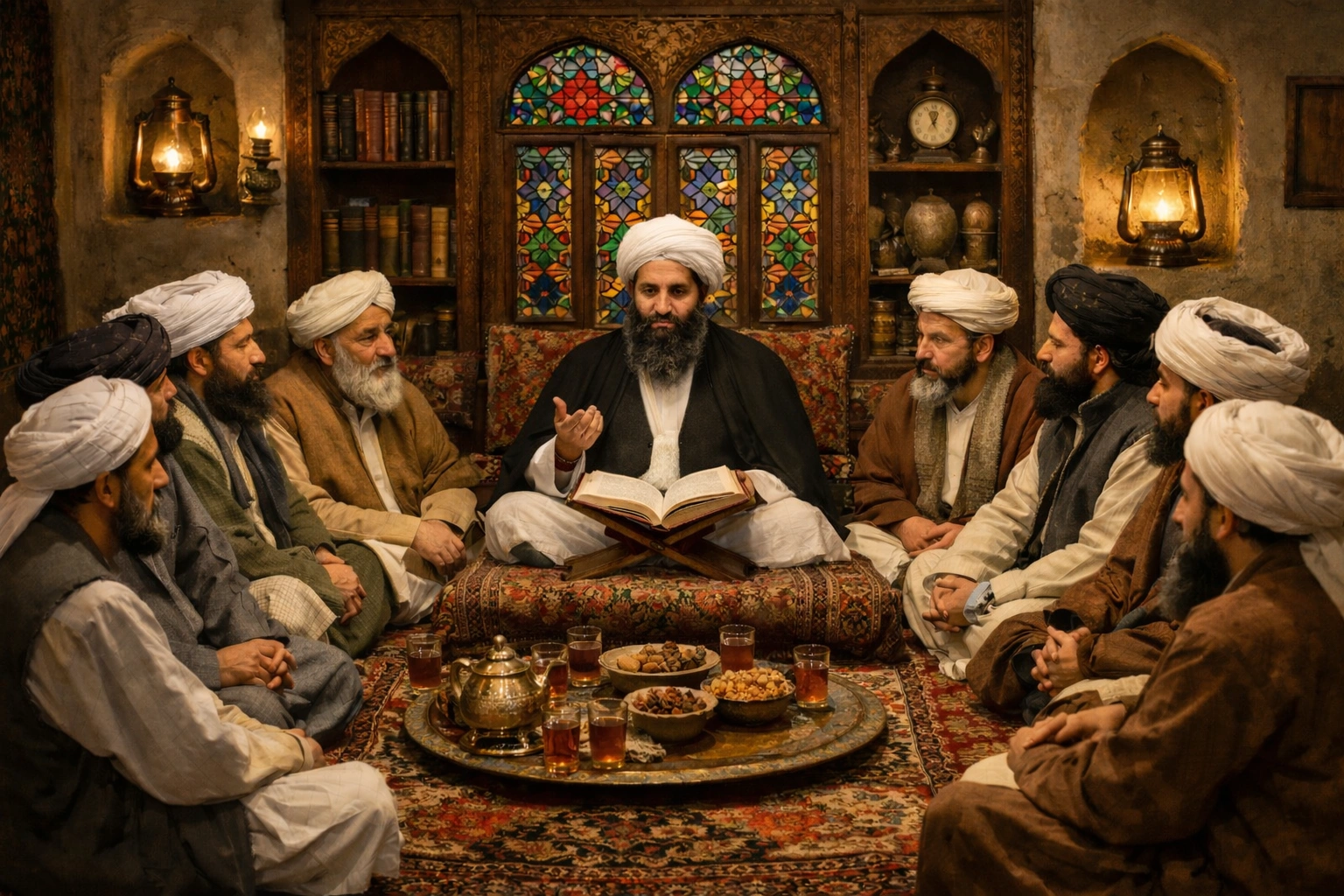
Cultural traditions, hospitality, and family bonds continue to shape daily interactions despite broader restrictions.
Women’s Daily Reality
Women experience the strongest impact of current restrictions. Their participation in public life, education, and employment is limited, and daily routines are often centered around home and family responsibilities.
Despite this, women continue to play essential roles within households and communities.
Urban and Rural Differences
Life differs between cities and rural areas:
- Cities have more services but stricter enforcement of rules
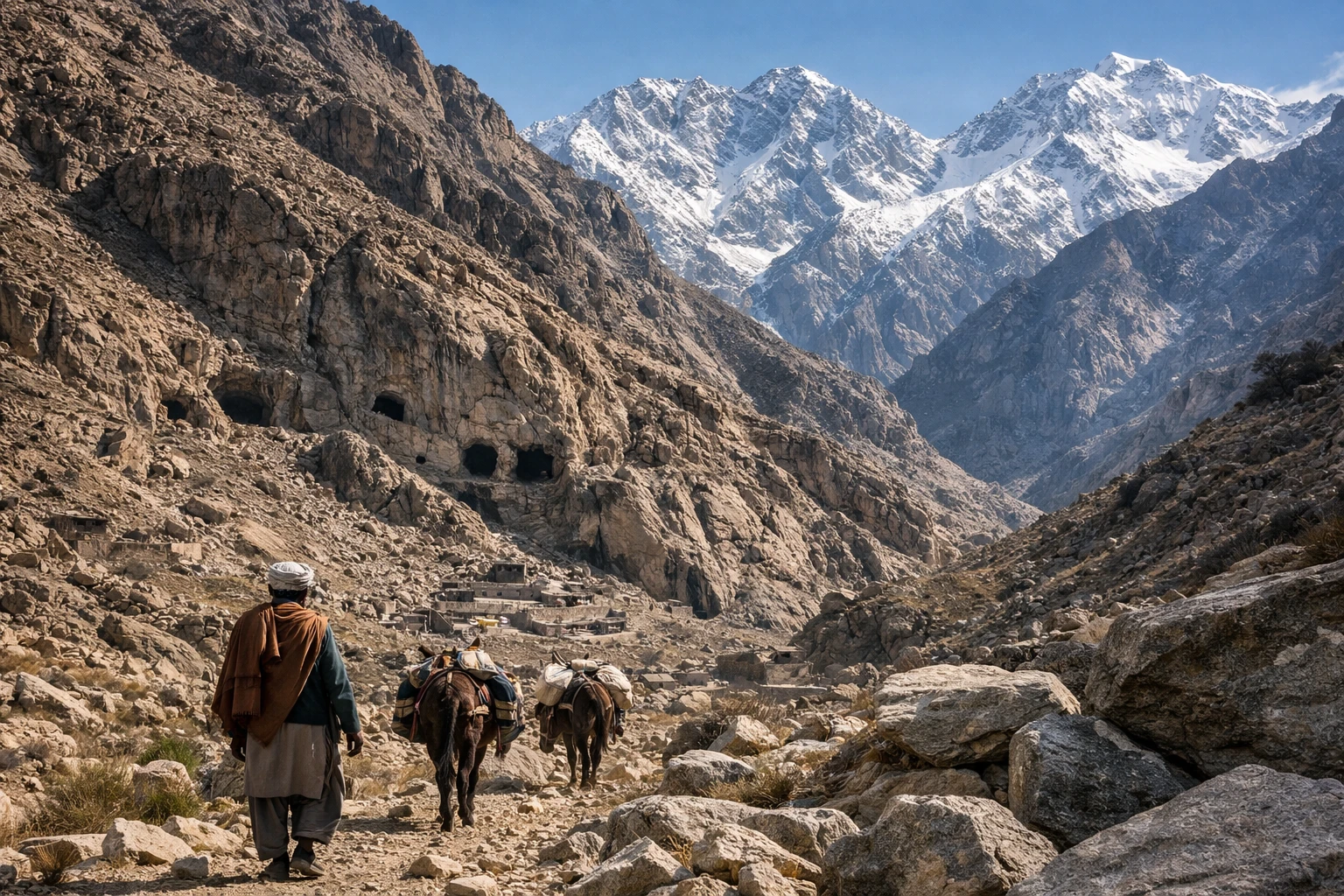
- Rural areas rely more on traditional lifestyles and agriculture
However, economic hardship affects both settings.
Public Mood and Outlook
Many people describe life today as stable but difficult. Security brings predictability, but economic pressure and limited opportunities create frustration and uncertainty about the future.
Hope remains, but expectations are cautious.
Final Notes
Afghanistan today is safer in terms of security than in many previous years, but it is also more restricted socially and administratively. Economic hardship continues to affect daily life across the country. Stability, limitation, and resilience define the current reality. Understanding Afghanistan today means recognizing this balance rather than viewing the country through a single lens.



No Comments