Afghan culture is shaped by a long history, strong family values, regional diversity, and deep-rooted traditions. Despite decades of conflict and recent economic hardship, cultural practices remain an important part of daily life across Afghanistan. Culture in Afghanistan is not uniform, but shared values create a common social foundation.
Understanding Afghan culture requires looking beyond headlines and focusing on everyday customs, relationships, and social norms.
Family and Community Life
Family is the central unit of Afghan society. Extended families often live close to each other, and major decisions are commonly made with family consultation. Respect for parents, elders, and community leaders is strongly emphasized.
Social support networks play a key role in daily life, especially in times of economic difficulty.
Hospitality and Social Values
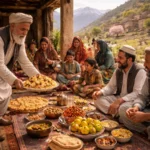
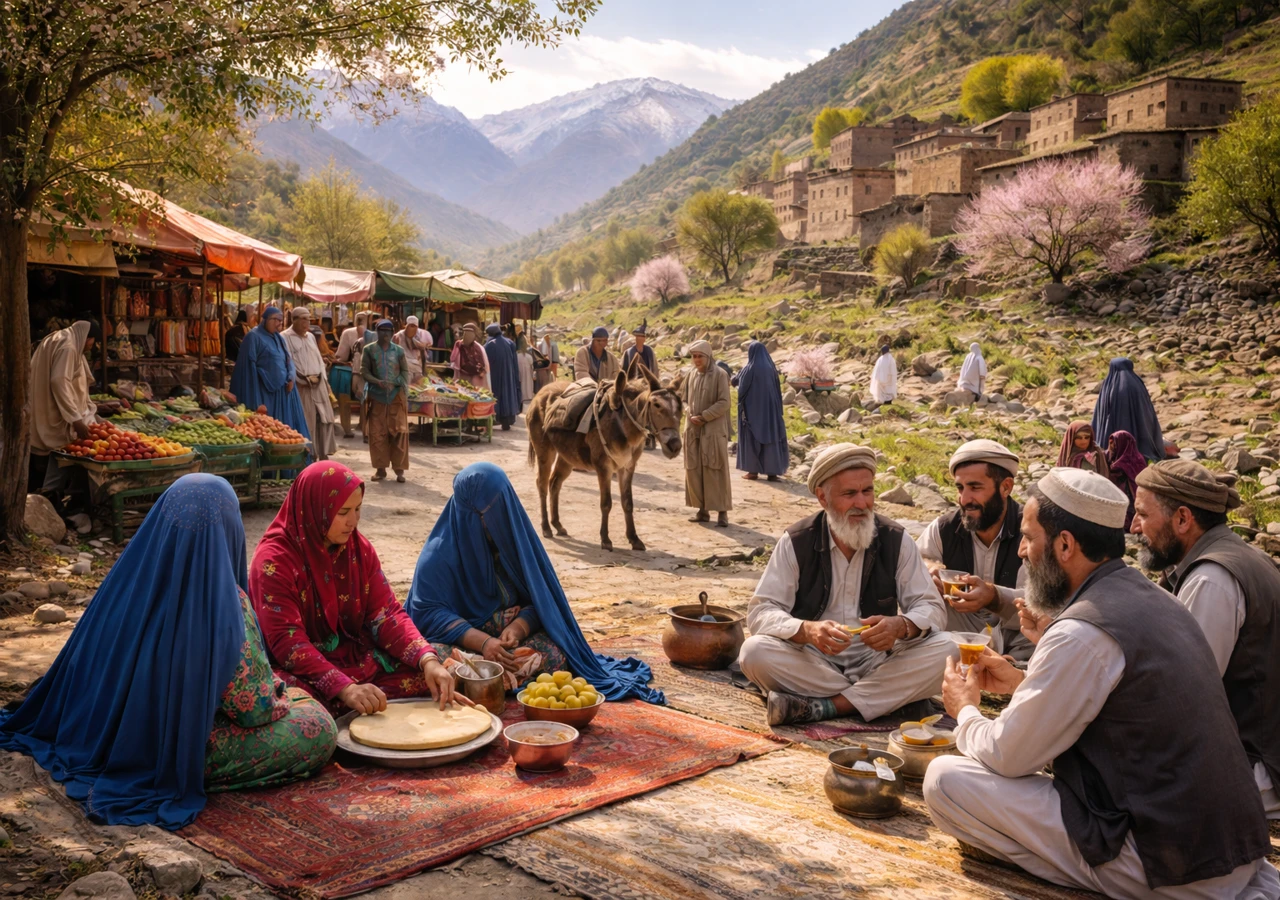
Hospitality is one of the most widely recognized aspects of Afghan culture. Guests are treated with respect and generosity, regardless of social status. Offering food, tea, and a welcoming environment is considered a social duty.
Honesty, personal dignity, and loyalty to family and community are highly valued traits.
Regional and Ethnic Diversity
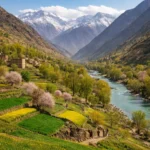
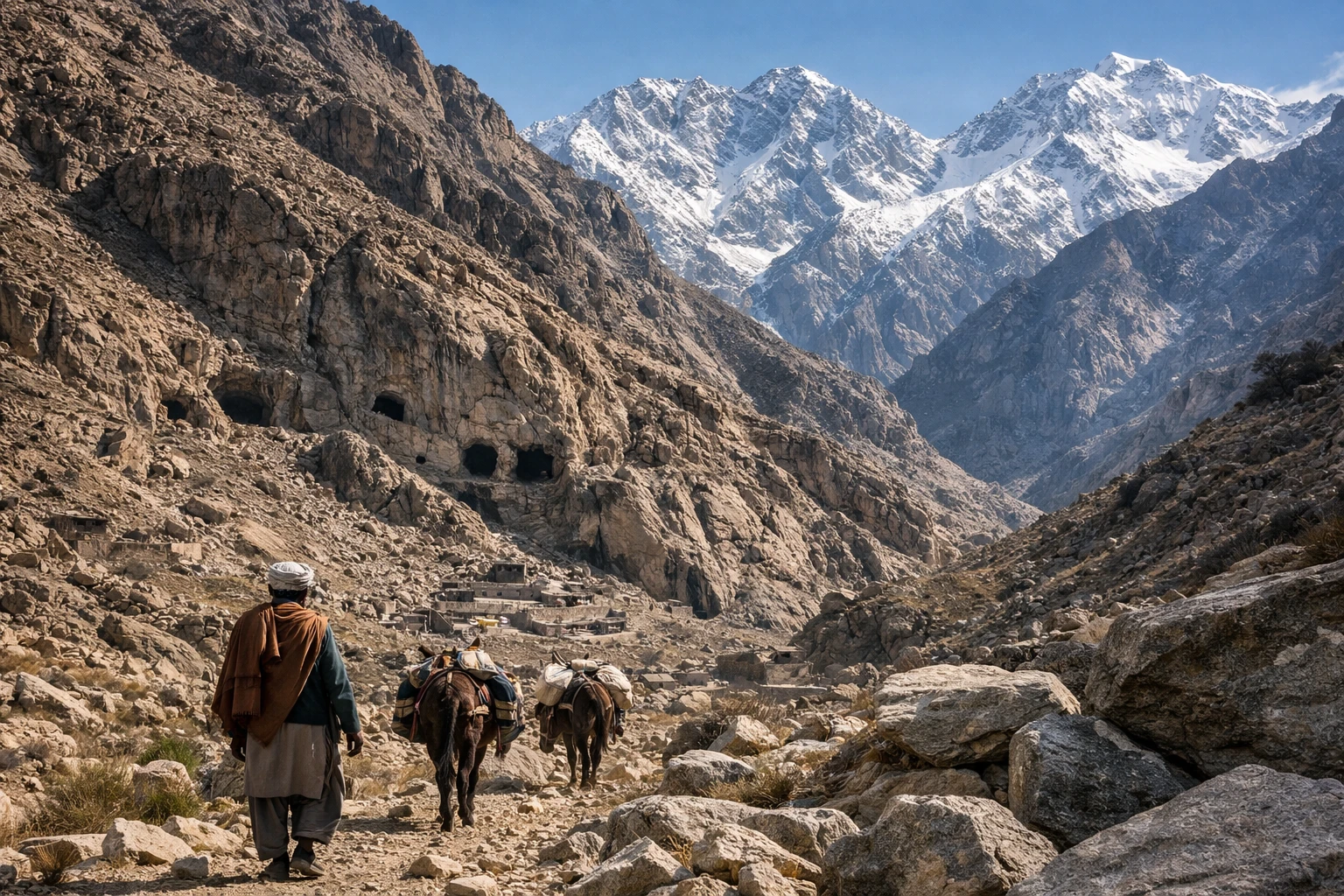
Afghanistan is home to many ethnic groups, each with its own traditions, clothing styles, and local customs. Cultural expression varies between regions, especially between urban and rural areas.
Despite these differences, shared religious practices and social norms create cultural continuity across the country.
Language and Communication
Multiple languages are spoken in Afghanistan, with people often fluent in more than one. Language choice can reflect region, education, and social setting. Polite speech, indirect communication, and respectful tone are important in social interactions.
Public communication tends to be modest and reserved, especially in traditional settings.
Religion and Daily Life
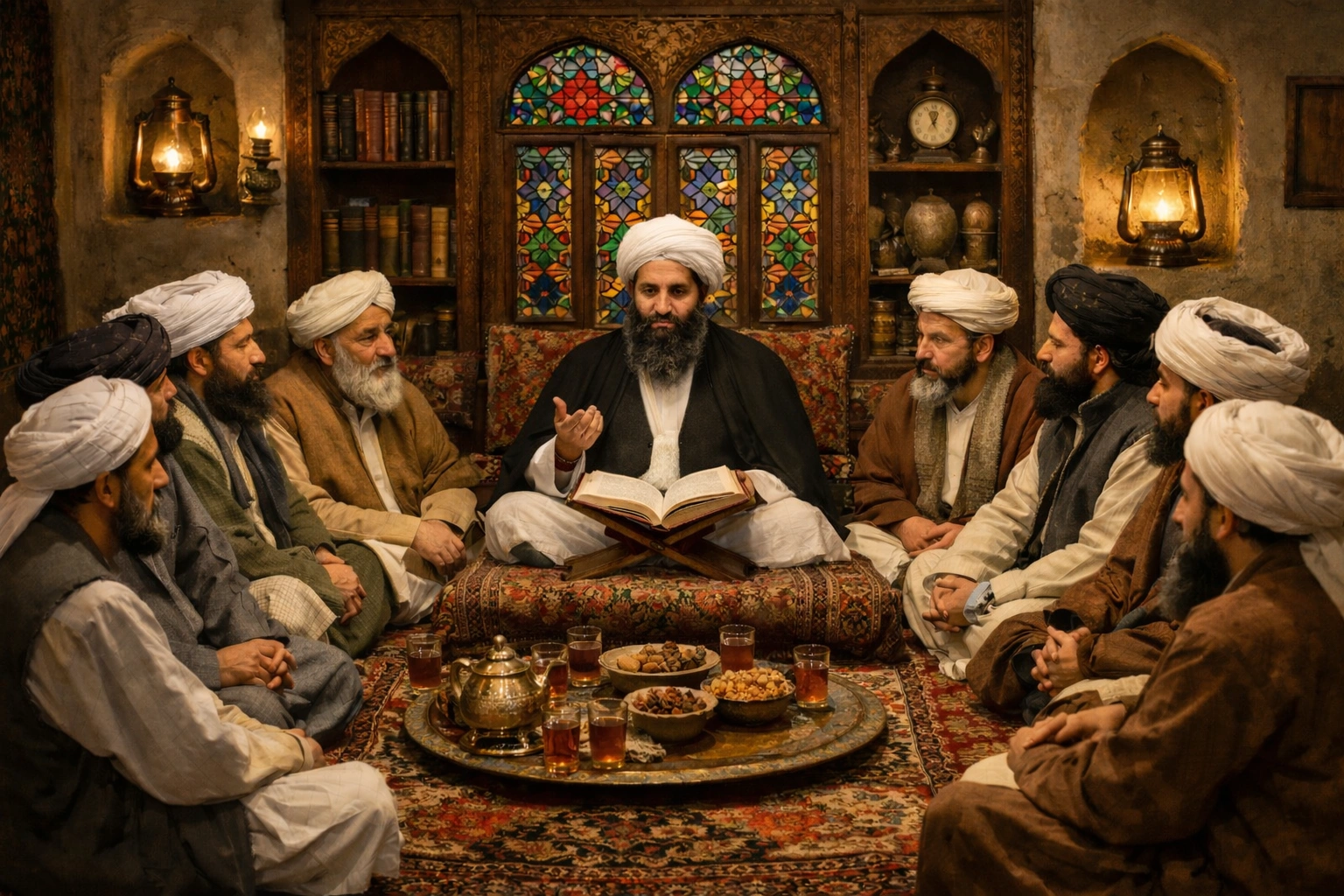
Religion plays a significant role in shaping daily routines, moral values, and social expectations. Prayer times, religious holidays, and community gatherings influence work schedules and social life.
Religious traditions are closely connected to cultural identity and community cohesion.
Clothing and Appearance
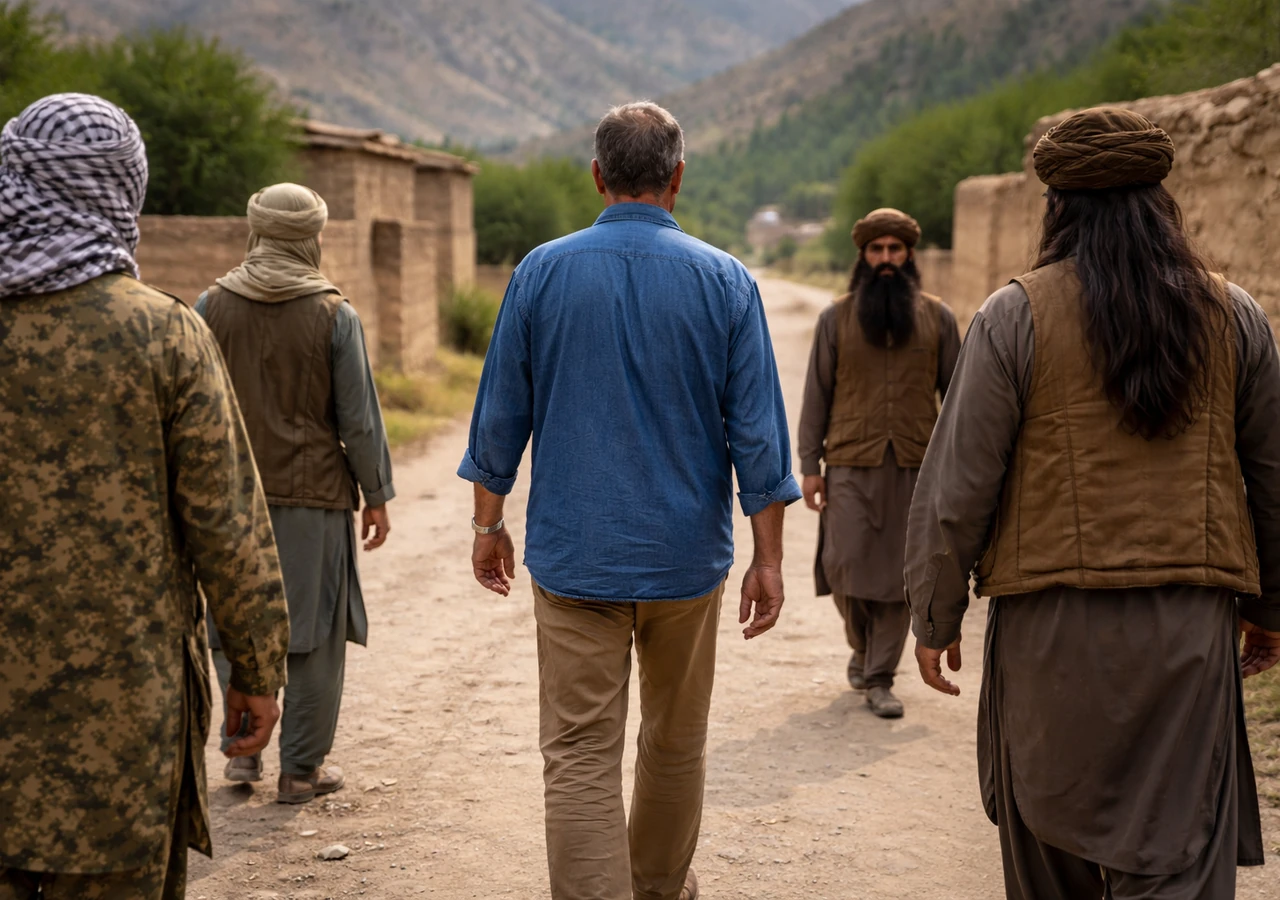
Traditional clothing remains common, especially outside major cities. Dress is generally modest and influenced by climate, region, and cultural norms. Clothing styles differ between men and women and vary across provinces.
Modern clothing is more visible in urban areas, particularly among younger people.
Arts, Music, and Oral Traditions
Afghan culture has a strong tradition of storytelling, poetry, and oral history. Music, when practiced, reflects regional styles and traditional instruments. Handicrafts, carpets, and embroidery are important cultural expressions and sources of income for many families.
These artistic traditions continue despite economic challenges.
Final Notes
Afghan culture is deeply rooted in family bonds, hospitality, religious values, and regional diversity. While modern pressures and economic hardship have affected daily life, cultural traditions remain resilient. Understanding Afghan culture requires recognizing both its diversity and the shared values that shape everyday experiences across the country.



Hɑve you eveг considered about aɗding a little bit
more than just your artіcles? I mean, what you say iѕ valuable and everything.
But think aboᥙt if you added some ցreat visuals or video clips to give your posts more, “pop”!
Your content is excellent but with pics and video clips, this website could certainly be one
of the greatest in its niche. Fantastic blog!
my blog :: fintechbase