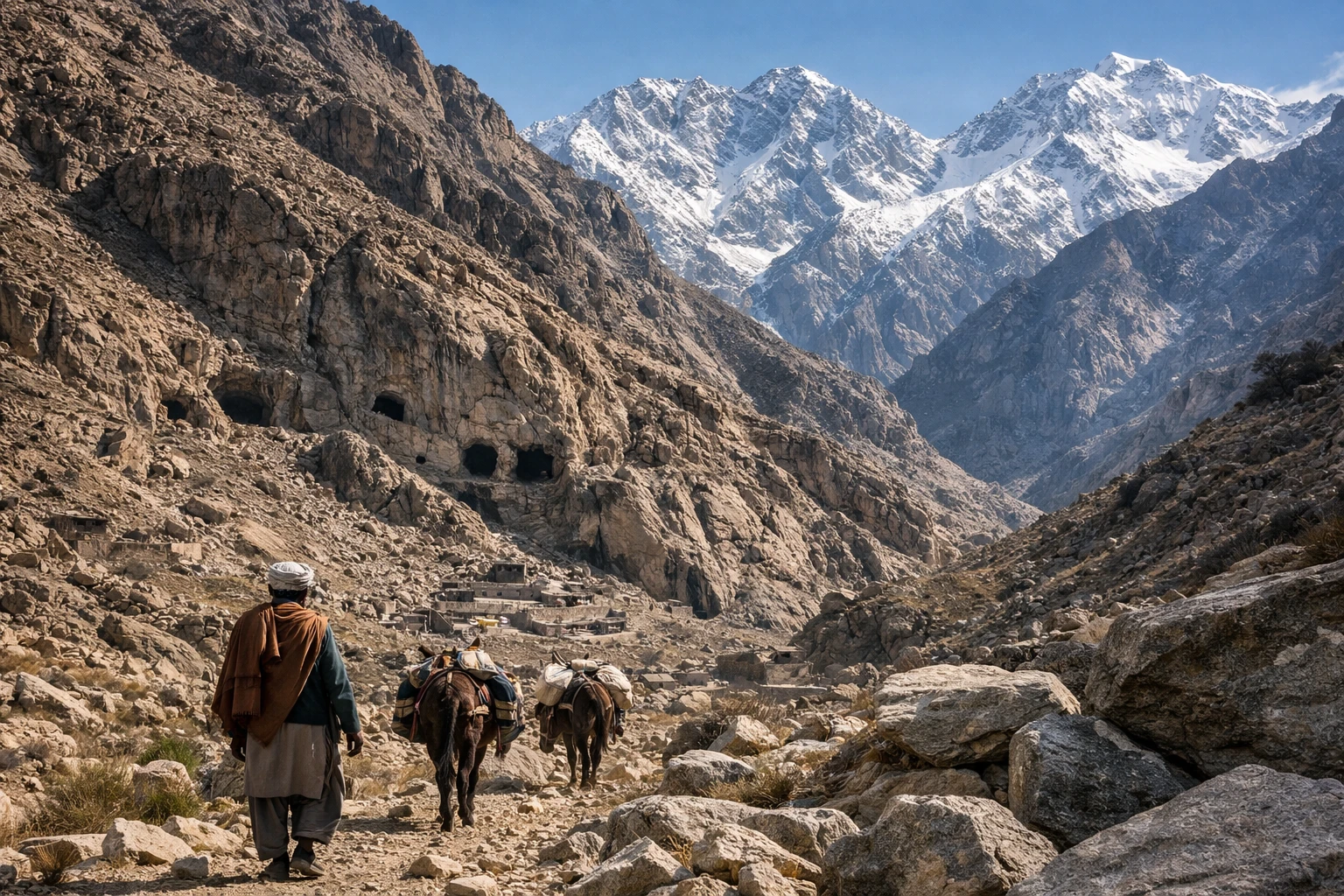
Traditions play a central role in Afghan society and continue to shape daily life across the country. Rooted in religion, family values, local customs, and centuries of history, Afghan traditions remain strong despite economic hardship and modern pressures. While practices vary by region and ethnic group, many traditions are widely shared and deeply respected.
Understanding these traditions helps explain how Afghan society functions beyond political and media narratives.
Respect for Family and Elders
Respect for parents, elders, and senior family members is one of the most important traditions in Afghanistan. Elders are often consulted on major family decisions, including marriage, disputes, and community matters.
Obedience, politeness, and listening to advice are seen as moral duties, especially for younger generations.
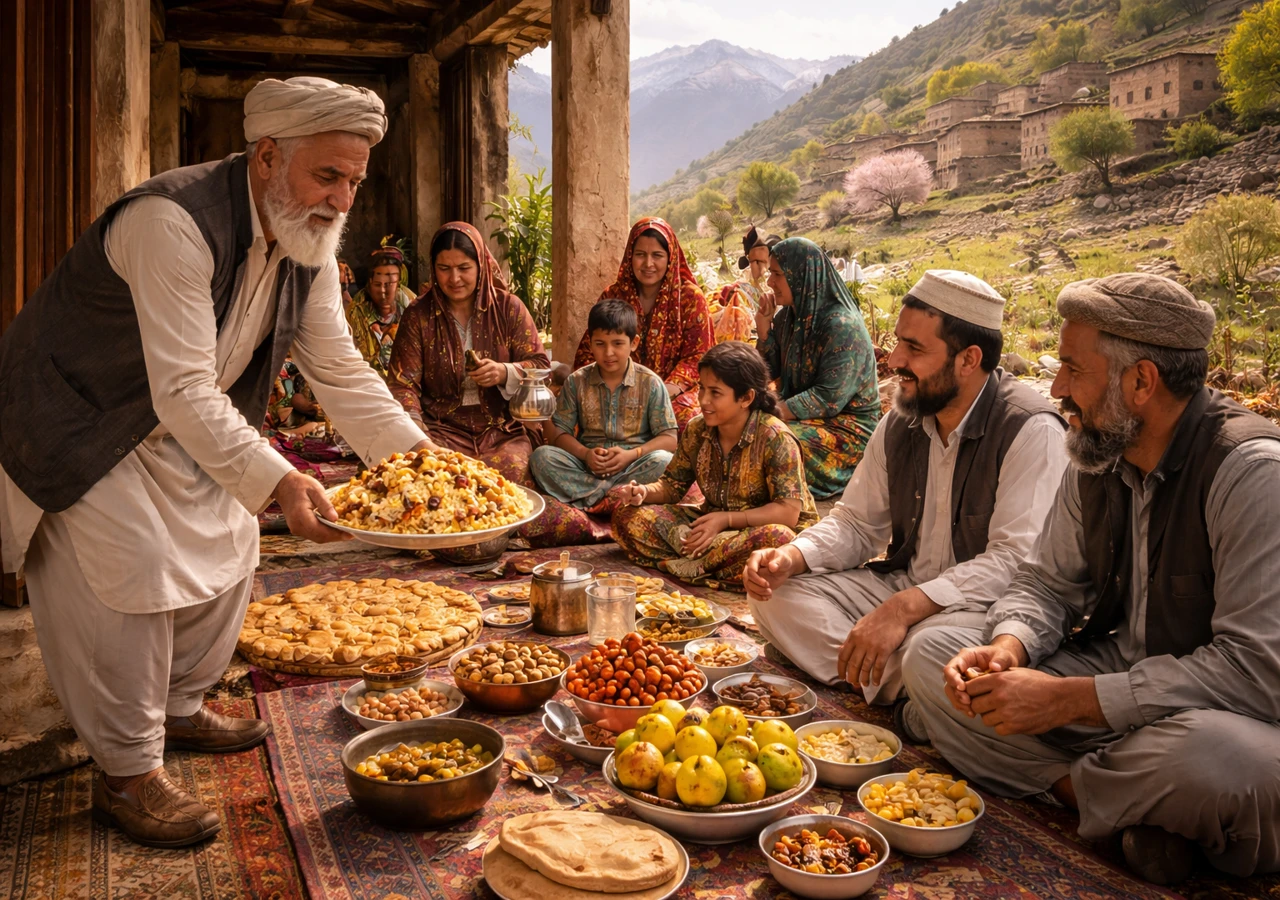
Hospitality and Guest
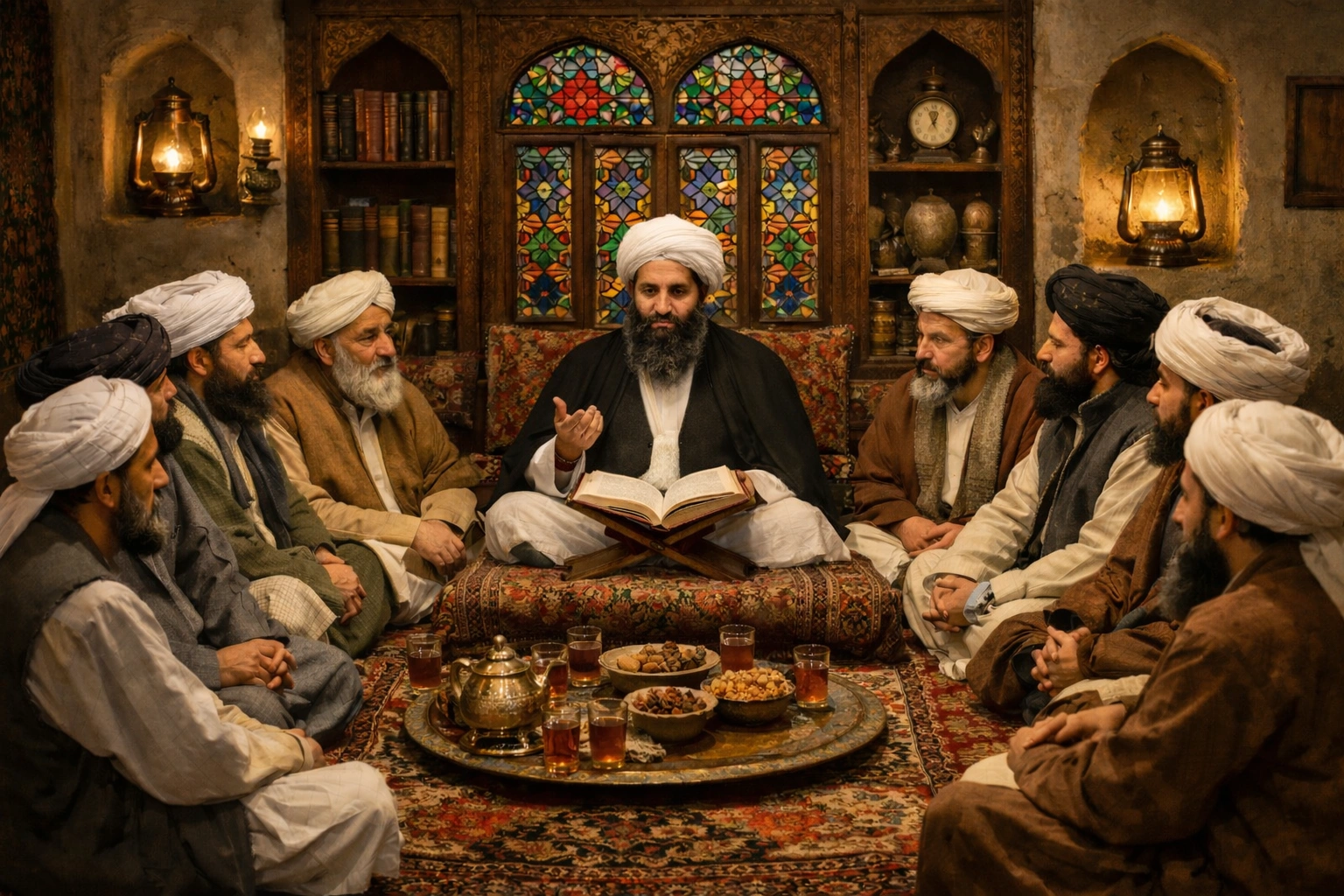
Hospitality is a defining Afghan tradition emphasized strongly in both Pashto and Dari cultural teachings. Guests are welcomed warmly and offered food, tea, and comfort, even when resources are limited.
Refusing hospitality is often considered disrespectful, and hosting guests is seen as a source of honor for families.
Religious Traditions and Daily Practices
Religion influences many aspects of Afghan daily life. Prayer times, fasting periods, religious holidays, and moral behavior are closely observed in most communities.
Events such as Ramadan, Eid celebrations, and communal prayers strengthen social bonds and reinforce shared values.
Marriage and Family Customs
Marriage is viewed as a major social and family event rather than only a personal choice. Engagement ceremonies, wedding gatherings, and family negotiations are important parts of the process.
While practices differ by region, marriage is generally seen as a union between families, not just individuals.
Community Solidarity and Mutual Help
Helping neighbors, relatives, and community members is an important tradition. In rural areas especially, people rely on cooperation for farming, construction, and problem-solving.
This tradition of mutual support becomes even more important during economic difficulty or personal hardship.
Traditional Clothing and Modesty
Traditional clothing remains widely worn, especially outside major cities. Dress reflects modesty, cultural identity, and regional heritage.
Clothing styles differ across Afghanistan, but modest appearance is generally valued in public spaces.
Oral Traditions and Storytelling
Storytelling, poetry, and spoken history play a significant role in Afghan culture. Elders often pass down lessons, moral stories, and historical memories through conversation rather than written records.
These oral traditions help preserve cultural identity across generations.
Respect for Customs and Social Norms
Social behavior is guided by unwritten rules related to respect, honor, and reputation. How people speak, visit others, and behave in public reflects these norms.
Maintaining family honor and social harmony is often prioritized over individual expression.
Final Notes
Important traditions in Afghanistan are deeply connected to family respect, hospitality, religion, and community solidarity. While modern influences and economic challenges have affected daily life, these traditions remain strong and continue to guide social behavior. Understanding them provides a clearer and more human view of Afghan society today.



No Comments