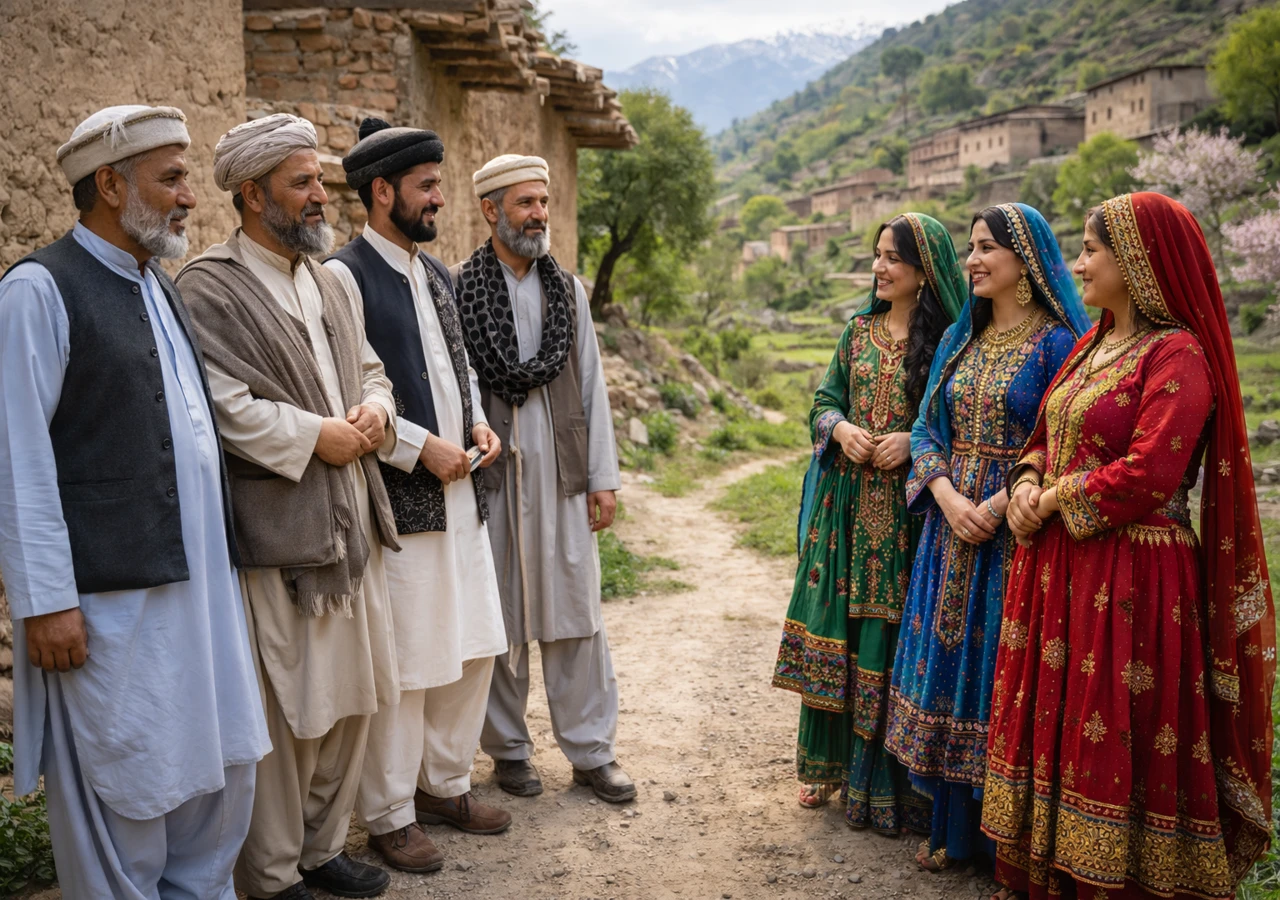
Traditional Afghan clothing reflects history, climate, regional identity, and cultural values. While styles vary across provinces and ethnic groups, many garments are widely shared and remain part of daily life, especially outside major cities. Afghan traditional dress emphasizes modesty, practicality, and cultural continuity.
Traditional Clothing for Afghan Men
Men’s traditional clothing is simple, practical, and suited to Afghanistan’s climate and social customs. The most common items are worn across the country with small regional differences.
Pirahan Tunban
Pirahan tunban is the most common traditional outfit for Afghan men. It consists of a long shirt (pirahan) and loose trousers (tunban). The design allows comfort, airflow, and ease of movement, making it suitable for both work and social occasions.
Colors range from white and cream to light blue, gray, and earth tones. Pirahan tunban is worn by men of all ages and social backgrounds.
Traditional Caps and Headwear
Headwear is an important part of Afghan men’s dress. Different types of caps are worn depending on region, tradition, and personal preference.
Common styles include round caps, pakol hats, and traditional turbans. Wearing a cap is often associated with respect, maturity, and cultural identity.
Shawl and Scarf
Shawls and scarves are widely worn by Afghan men, especially in colder regions. They are commonly wrapped around the shoulders, neck, or head.
Shawls serve both practical and cultural purposes, providing warmth while also symbolizing tradition and masculinity.
Mandi and Waist Cloth
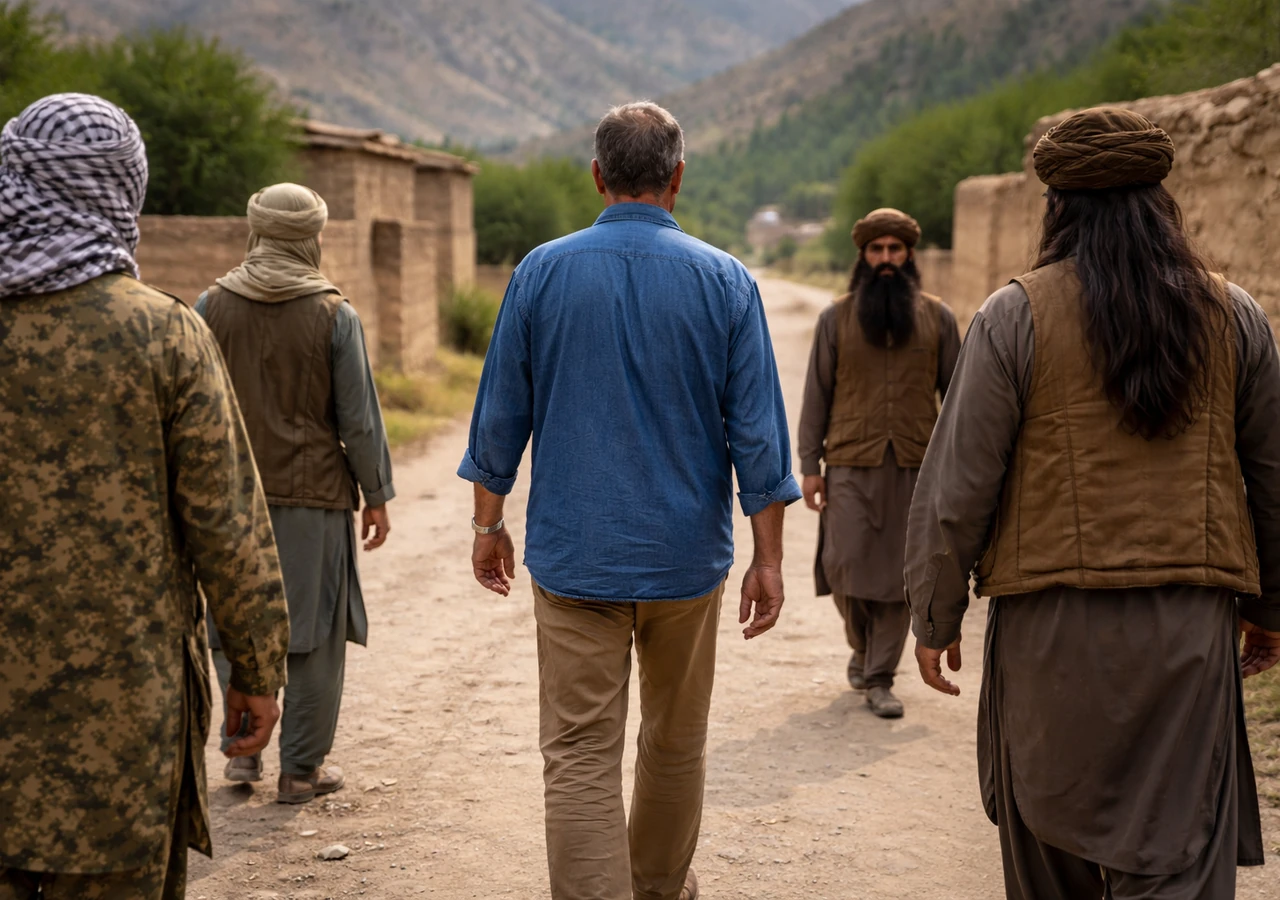
In some regions, Afghan men wear a cloth tied around the waist, often referred to as a mandi. This garment is especially common in rural areas and among laborers.
It adds comfort, helps with movement, and reflects regional dressing customs passed down through generations.
Traditional footwear usually includes leather sandals or simple shoes. Accessories are minimal, reflecting modesty and practicality.
Overall, men’s clothing prioritizes function, tradition, and social respect.
Traditional Clothing for Afghan Women
Women’s traditional clothing in Afghanistan is diverse and varies significantly by region, age, and occasion. Women’s dress emphasizes modesty, cultural identity, and craftsmanship.
Dresses and Long Garments
Afghan women traditionally wear long dresses with loose trousers underneath. These garments are often colorful and decorated with embroidery, patterns, or stitching that reflects regional heritage.
Dress styles differ between rural and urban areas, with brighter colors commonly used for celebrations.
Head Coverings and Hijab
Head coverings are an essential part of women’s traditional dress. Styles range from scarves and shawls to full-body coverings, depending on local customs and personal choice.
Head coverings are worn for modesty, cultural norms, and religious values.
Jewelry and Decorative Elements
Traditional jewelry plays an important role in women’s clothing, especially during weddings and celebrations. Necklaces, earrings, bangles, and decorative hair pieces are commonly worn.
Jewelry often carries cultural symbolism and family significance.
Regional Variations in Women’s Clothing
Women’s traditional clothing varies widely across Afghanistan. Patterns, colors, and materials often indicate regional identity.
Despite these differences, modest design and layered clothing are common features nationwide.
Final Notes
Traditional Afghan clothing reflects the country’s climate, values, and cultural diversity. Men’s dress emphasizes practicality and heritage through garments like pirahan tunban, caps, shawls, and mandi, while women’s clothing highlights modesty, craftsmanship, and regional identity. Despite modern influences, traditional dress remains an important part of Afghan cultural life.



No Comments