Family plays a central and defining role in Afghan culture. In both Pashto and Dari cultural traditions, family is seen as the foundation of social life, moral values, and personal identity. Decisions, responsibilities, and social behavior are strongly influenced by family relationships, often more than individual preference.
Understanding Afghan society requires understanding the importance placed on family unity, respect, and collective responsibility.
The Family as the Core of Society
In Afghan culture, the family is considered the primary unit of society. Individuals are closely connected to their immediate and extended families, and personal identity is often defined through family ties.
Social status, reputation, and trust are closely linked to family background and behavior.
Respect for Parents and Elders
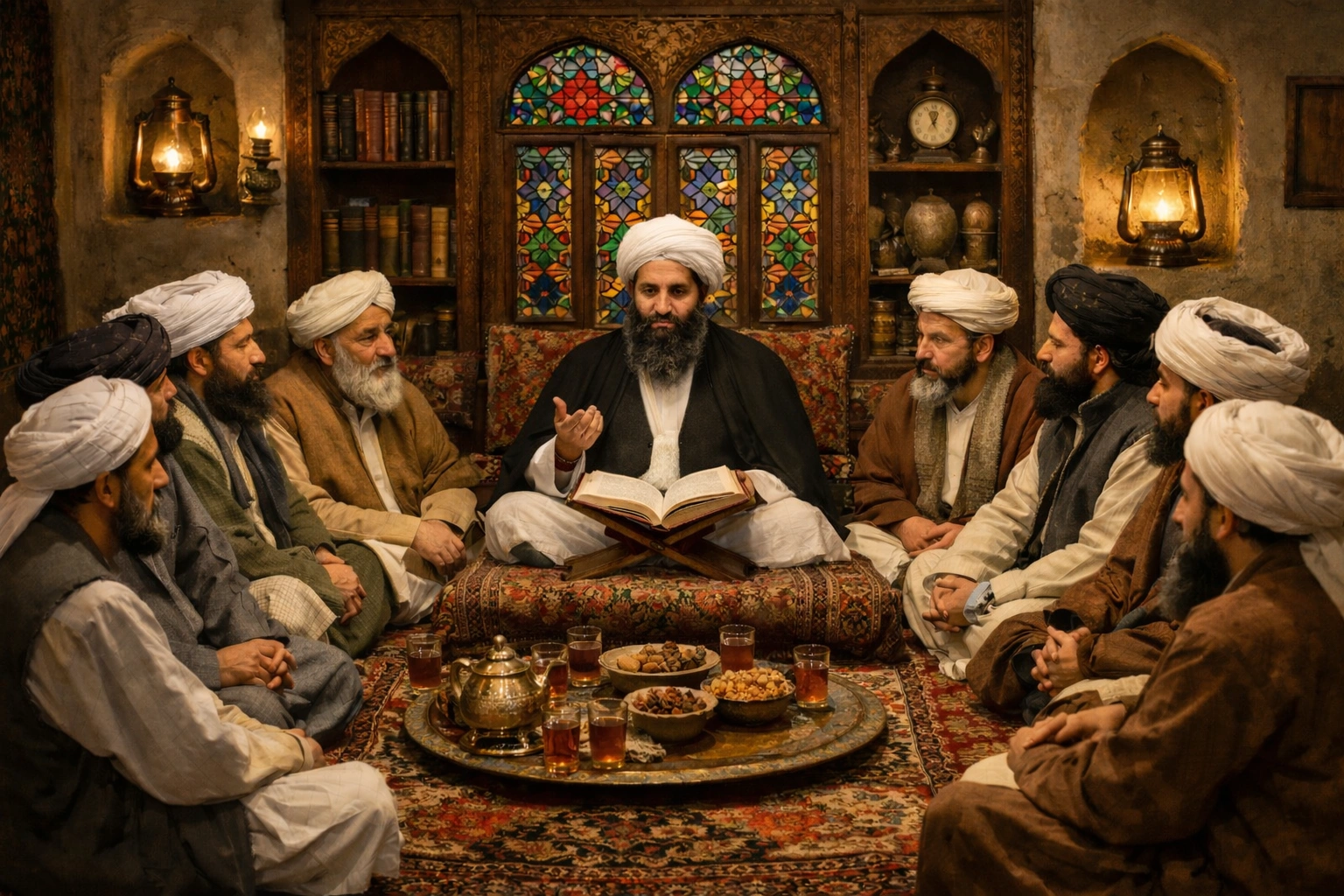
Respect for parents and elders is a deeply rooted value emphasized in both Pashto and Dari traditions. Elders are viewed as sources of wisdom and guidance, and their advice is taken seriously in family and community matters.
Younger family members are expected to show obedience, politeness, and care toward elders, especially in decision-making.
Collective Decision-Making
Many important life decisions are made collectively within the family. Matters such as marriage, education, relocation, and conflict resolution often involve consultation with parents and senior relatives.
This collective approach is seen as a way to protect family harmony and ensure long-term stability.
Extended Family and Social Support
Extended family networks play a major role in daily life. Relatives often live close to one another and provide emotional, financial, and practical support.
In times of economic hardship, illness, or crisis, family members are expected to help one another before seeking outside assistance.
Family Honor and Social Responsibility
Family honor is an important concept in Afghan culture. Individual behavior is seen as reflecting on the entire family, which encourages responsible conduct and respect for social norms.
Maintaining family dignity and reputation is often prioritized over personal interests.
Gender Roles Within the Family
Traditional family roles are generally well defined. Men are commonly seen as providers and protectors, while women play a central role in managing the household and raising children.
Although roles vary by region and economic conditions, cooperation within the family is emphasized.
Family in Everyday Life
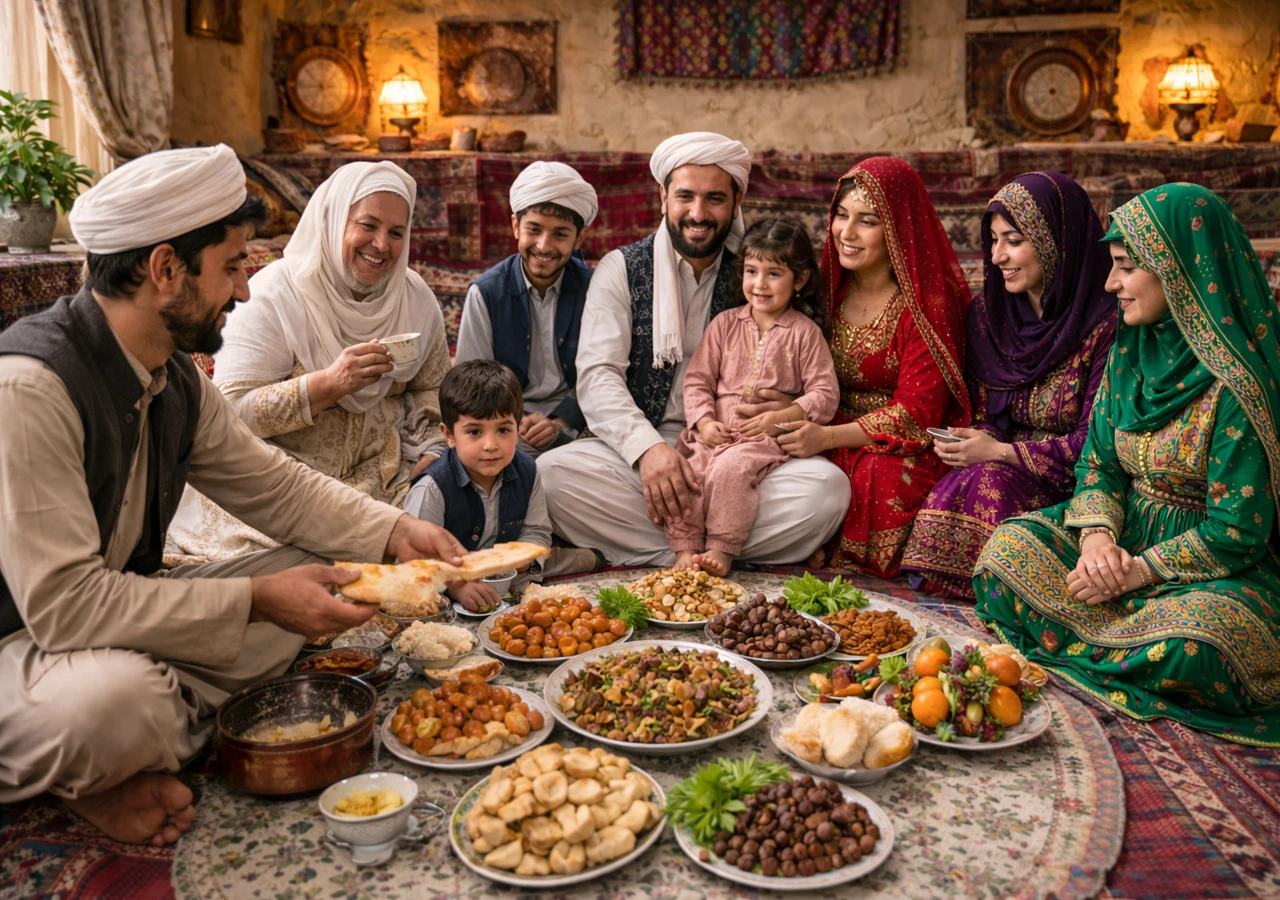
Daily activities such as meals, celebrations, religious observances, and social visits are often shared family experiences. Strong emotional bonds are formed through constant interaction and mutual responsibility.
Family gatherings reinforce unity and cultural continuity across generations.
Changes and Continuity
Economic pressure, migration, and urban life have influenced family structures, leading to smaller households in some areas. However, the core values of family loyalty, respect, and mutual support remain strong.
Even as lifestyles change, family continues to guide social behavior and personal identity.
Final Notes
Family plays a central role in Afghan culture by shaping values, decisions, and social responsibilities. Rooted in Pashto and Dari traditions, family life emphasizes respect for elders, collective decision-making, mutual support, and shared honor. Despite modern challenges, the family remains the backbone of Afghan society.



No Comments