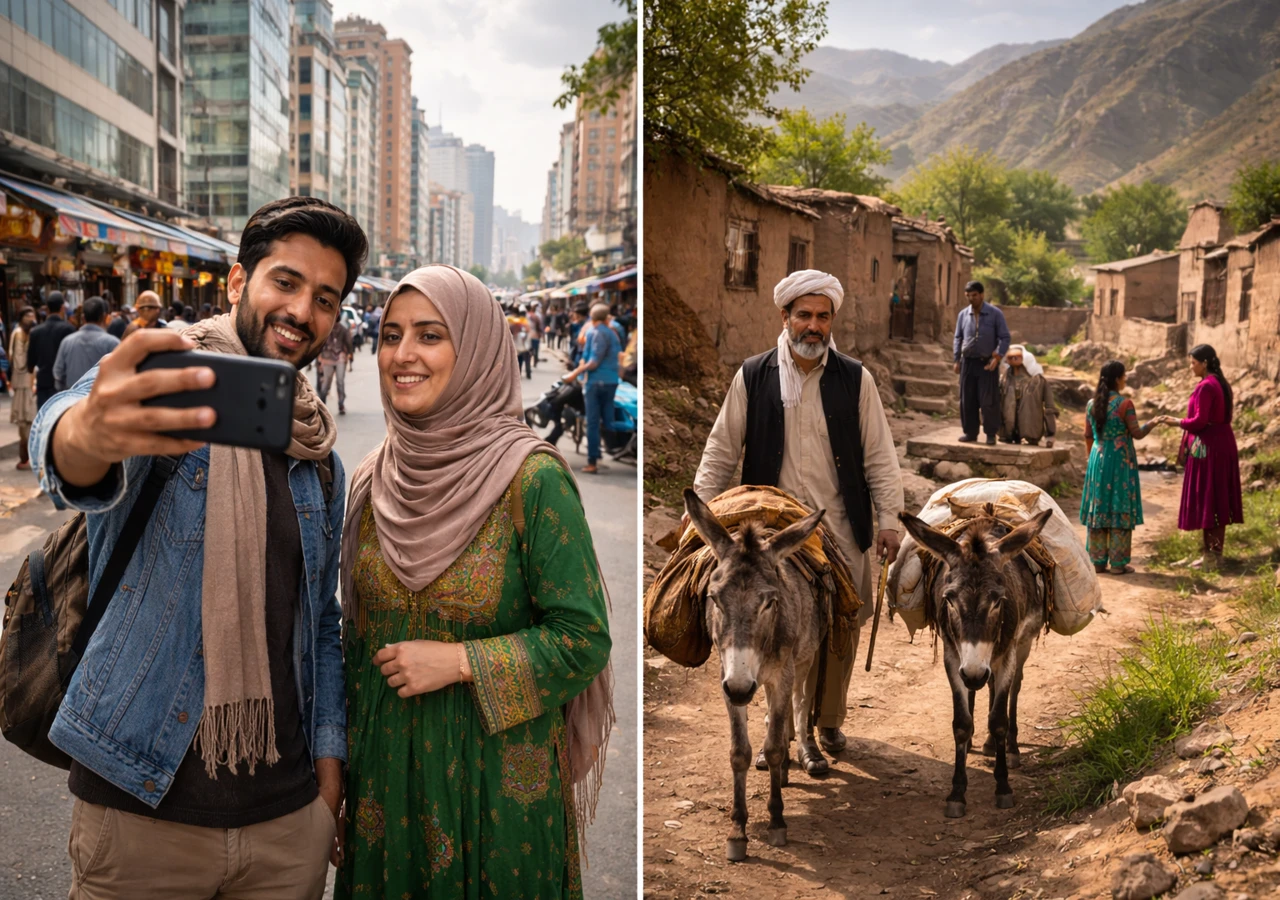
Afghan culture today is undergoing gradual change shaped by economic pressure, improved security conditions, strict social regulations, migration, and modern communication. While core traditions remain strong, daily life and cultural expression are adapting to new realities across both urban and rural areas.
Insights from Pashto and Dari sources show that change in Afghan culture is cautious, uneven, and deeply influenced by family values and social limits.
Continuity of Traditional Values
Despite change, traditional values such as respect for family, elders, religion, and community remain central to Afghan culture. These principles continue to guide behavior, decision-making, and social relationships.
Cultural change tends to build around these values rather than replace them.
Impact of Economic Conditions
Ongoing economic difficulties have affected cultural practices, especially public celebrations and social events. Weddings, festivals, and gatherings are often smaller and simpler than in the past.
Practical needs now influence how traditions are observed, without eliminating their cultural meaning.
Urban and Rural Differences
Cultural change is more visible in cities than in rural areas. Urban residents are more exposed to new ideas through education, media, and migration experiences.
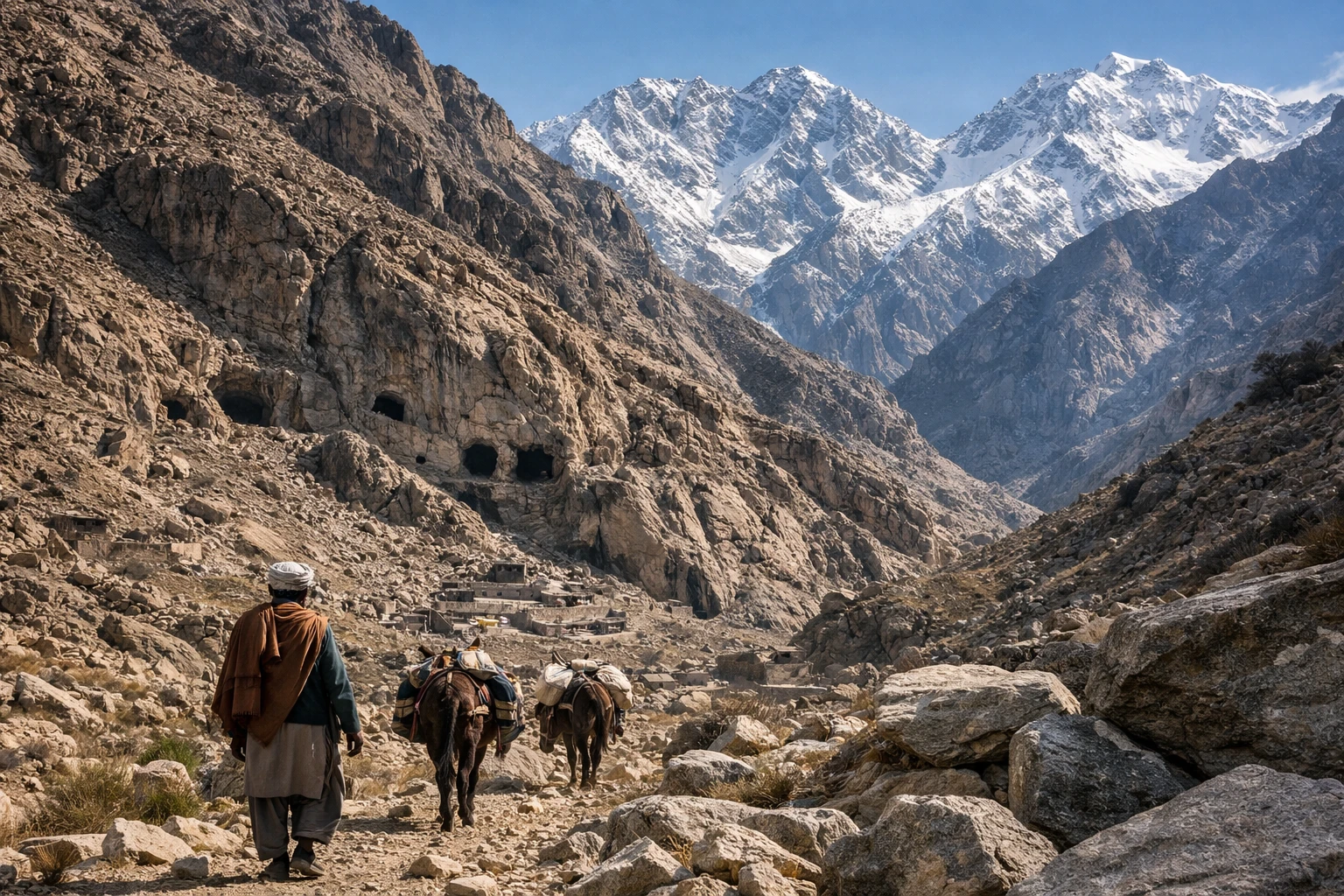
In rural areas, traditions change more slowly, and daily life remains closely tied to long-standing customs and community norms.
Influence of Migration and Displacement
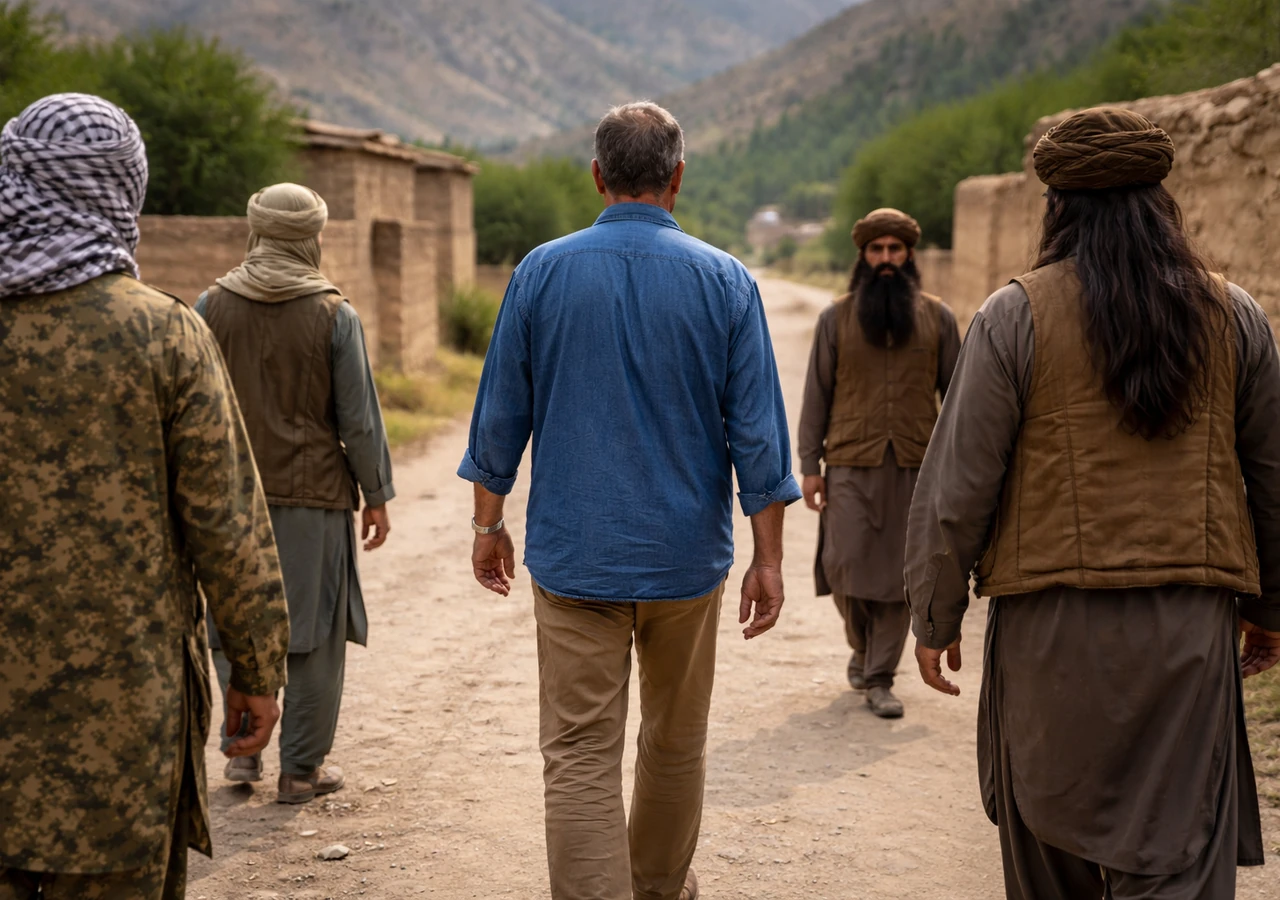
Migration within Afghanistan and to neighboring countries has influenced cultural attitudes. Returning migrants often bring new habits, skills, and perspectives that slowly blend with local traditions.
This influence is gradual and shaped by social acceptance and family approval.
Changing Roles Within the Family
Family remains the core of Afghan culture, but roles within the family are evolving. Economic necessity has increased shared responsibilities among family members.
While traditional roles remain influential, adaptation is taking place in response to daily realities.
Private Cultural Expression
With restrictions on public cultural activities, many forms of cultural expression have moved into private spaces. Music, storytelling, crafts, and artistic skills are often practiced at home or within trusted circles.
This shift allows traditions to survive while adapting to current conditions.
Use of Technology and Communication
Mobile phones and digital communication have influenced how Afghans connect with each other and the outside world. Cultural awareness, education, and exposure to global ideas are increasing quietly through technology.
This influence is moderated by social norms and access limitations.
Preservation of Cultural Identity
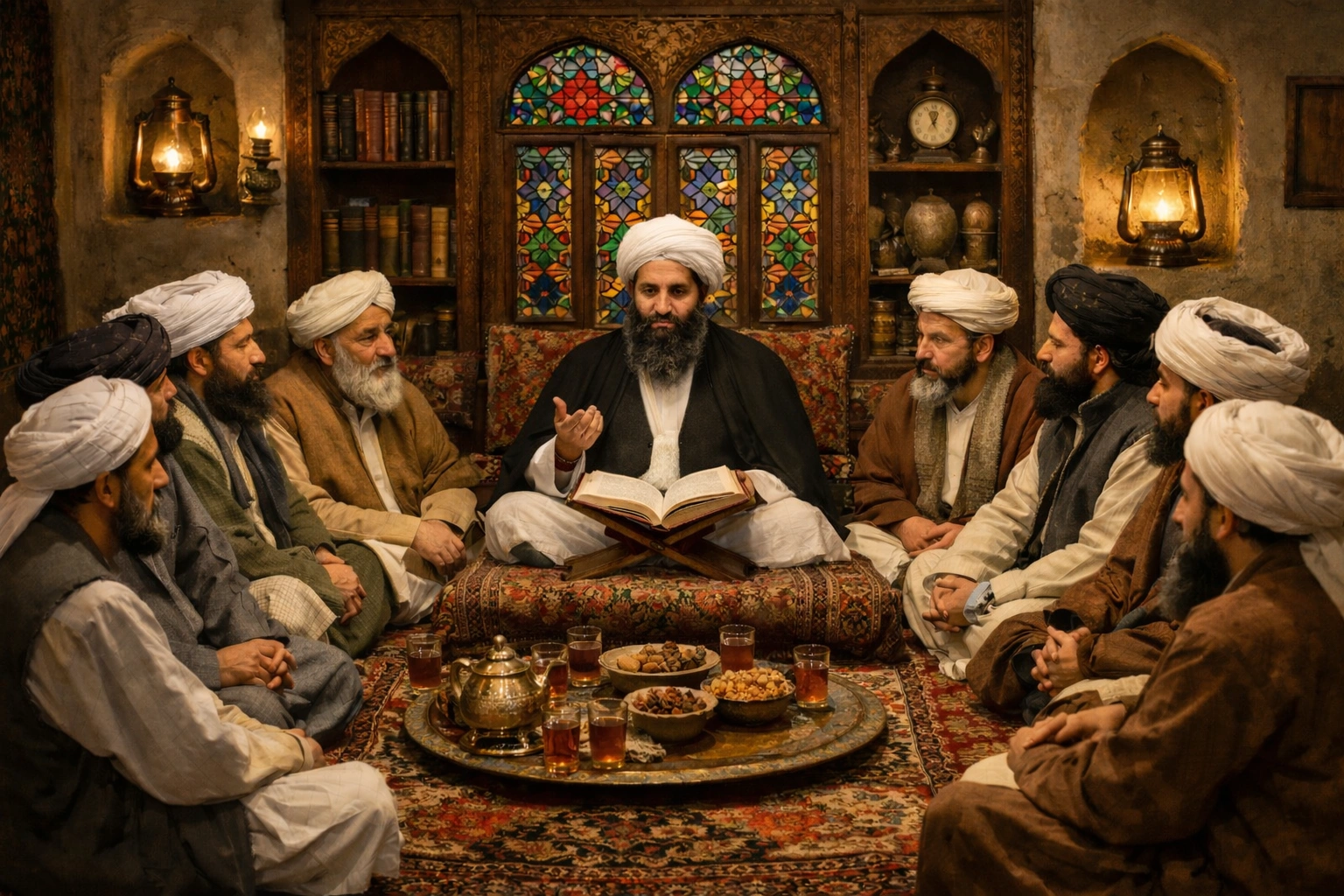
Amid change, there is a strong effort to preserve Afghan cultural identity. Families, elders, and artisans continue to pass down traditions, language, and customs to younger generations.
Cultural preservation is often seen as a form of resilience and continuity.
Final Notes
Afghan culture today is changing slowly under economic, social, and technological pressures while maintaining its core values. Rooted in Pashto and Dari traditions, Afghan society adapts cautiously, balancing tradition with necessity. Understanding these changes requires recognizing both continuity and gradual transformation in everyday life.



No Comments