The history of Afghanistan spans thousands of years and is shaped by its location at the crossroads of Central Asia, South Asia, and the Middle East. Throughout history, the region has connected civilizations, cultures, and trade routes, while also experiencing repeated invasions, empires, and internal change. Despite conflict and hardship, Afghanistan has maintained a strong cultural identity and continuity.
Understanding Afghanistan’s history helps explain its diversity, resilience, and strategic importance.
Ancient Civilizations and Early History
Afghanistan was home to some of the world’s earliest civilizations. Archaeological evidence shows human settlement dating back thousands of years. The region was influenced by ancient Persian empires and later became part of major trade networks linking East and West.
Cities and settlements developed along trade routes, contributing to cultural exchange, learning, and economic activity.
Influence of Greek and Central Asian Empires
Following the arrival of Alexander the Great, parts of Afghanistan became influenced by Greek culture, art, and governance. Over time, Central Asian empires also left lasting marks on language, architecture, and administration.
These periods contributed to Afghanistan’s long tradition of cultural blending.
Islamic Period and Medieval Era
Islam reached Afghanistan in the early medieval period and gradually became central to society, law, and culture. Islamic scholarship, architecture, and education flourished in several regions.
During this era, Afghanistan became an important center of learning, trade, and religious life.
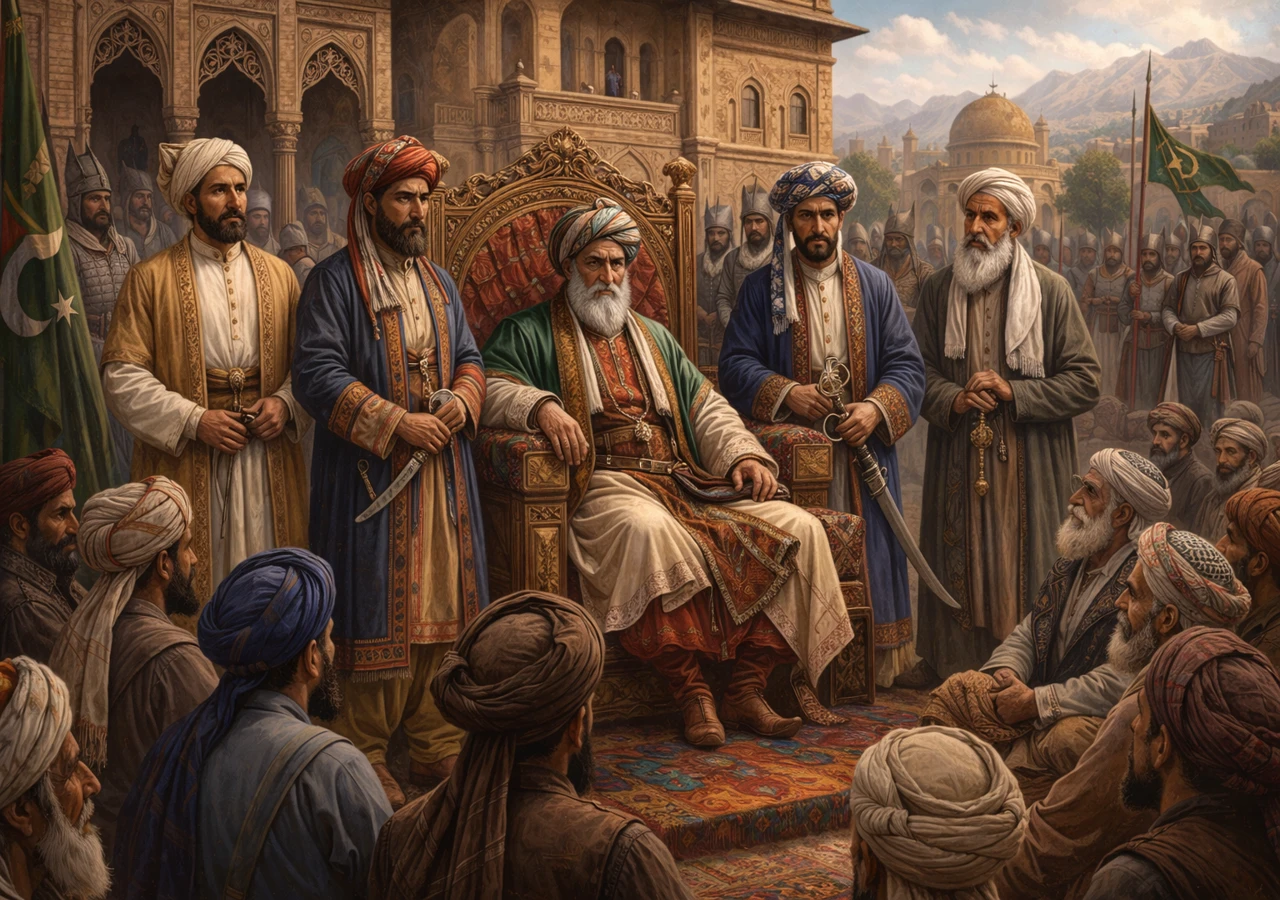
By the early modern period, Afghan tribal confederations and local rulers gained greater political power. Afghan leaders established independent kingdoms and played major roles in regional politics.
This period strengthened Afghan identity and local governance traditions.
Nineteenth and Early Twentieth Century
In the nineteenth century, Afghanistan became a buffer state between major empires. The country worked to maintain independence while modernizing state institutions.
Reforms in administration, education, and infrastructure began slowly, balancing tradition with modernization.
Late Twentieth Century Conflict
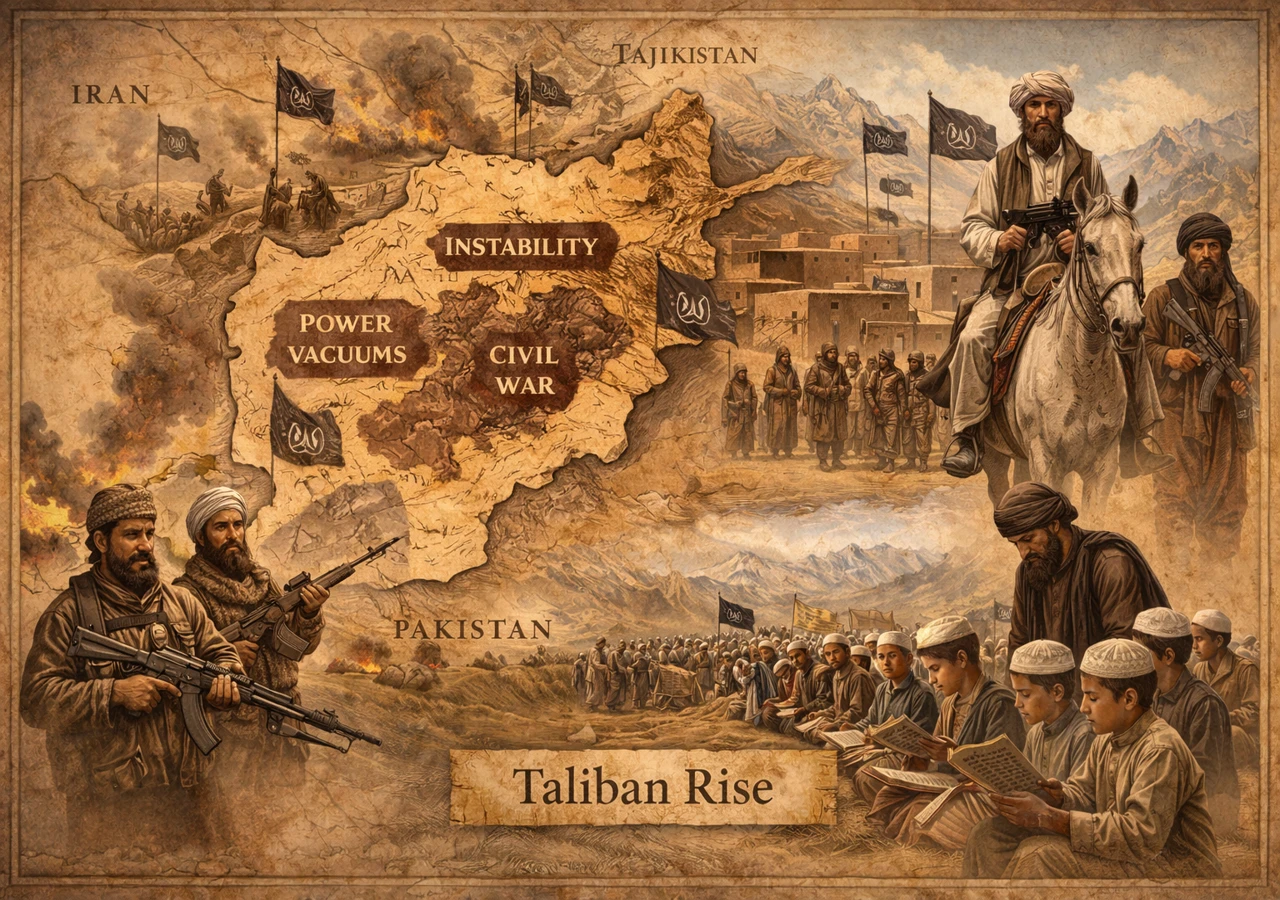
The late twentieth century brought significant upheaval, including foreign intervention, internal conflict, and prolonged instability. These decades caused widespread damage to institutions, the economy, and social life.
At the same time, Afghan society demonstrated strong resilience and survival through community networks and cultural continuity.
Recent History and Current Era
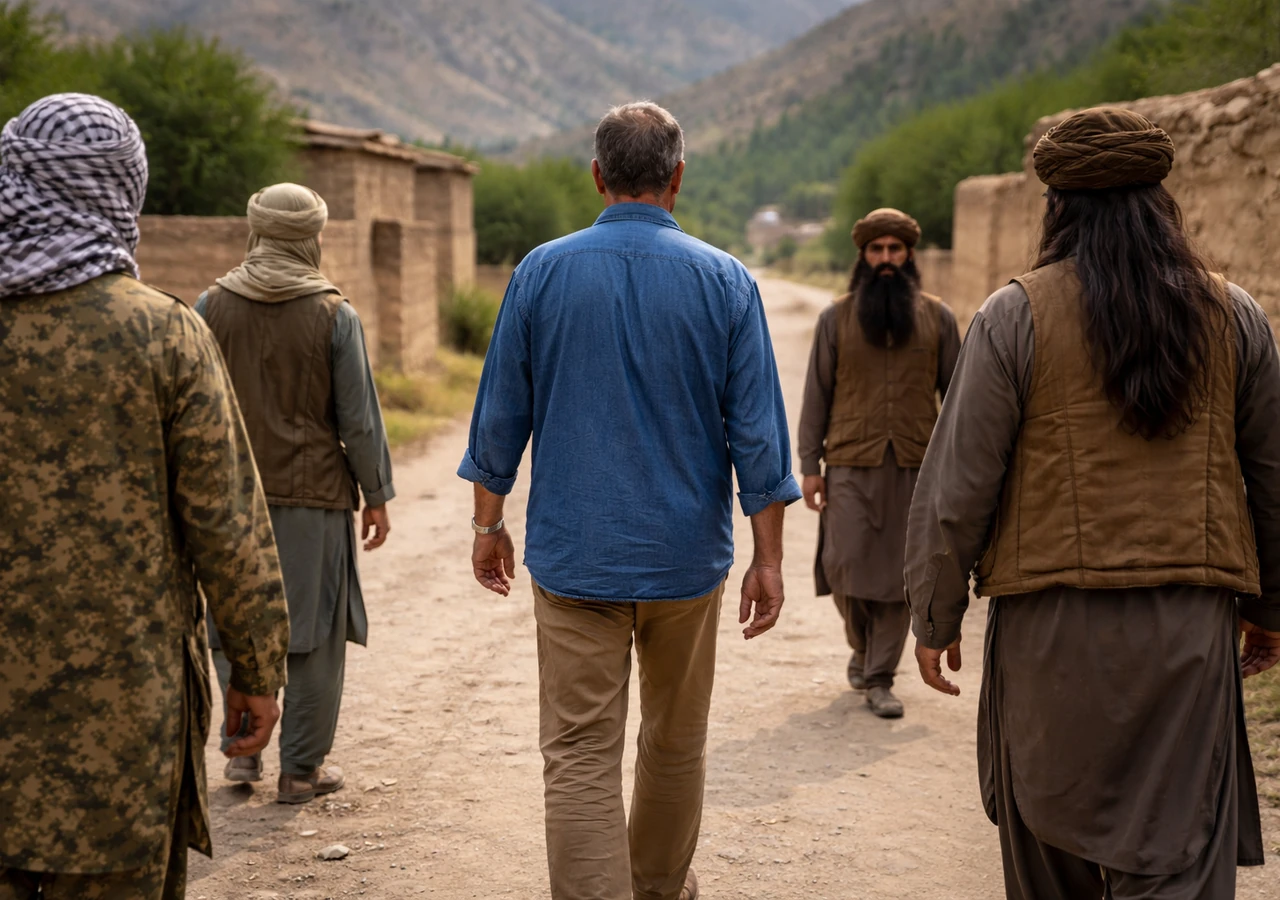
In recent years, Afghanistan has experienced major political change, reduced nationwide conflict, and stricter governance. While security conditions have improved in many areas, economic challenges and social restrictions continue to affect daily life.
The country remains in a period of transition, shaped by its long historical experience.
Final Notes
Afghanistan’s history is marked by ancient civilizations, cultural exchange, Islamic heritage, state formation, and modern challenges. Its past explains both its diversity and resilience. Understanding this history provides essential context for Afghanistan’s society, culture, and current conditions today.




No Comments