Afghanistan has experienced repeated foreign invasions throughout its long history, largely because of its geography, strategic position, and internal structure. Located at the crossroads of major regions, the country has often attracted outside powers seeking influence, security, or control of trade routes. These invasions were driven more by external interests than by Afghanistan itself.
Understanding this pattern requires looking at geography, global power rivalries, and Afghanistan’s social structure.
Strategic Geographic Location
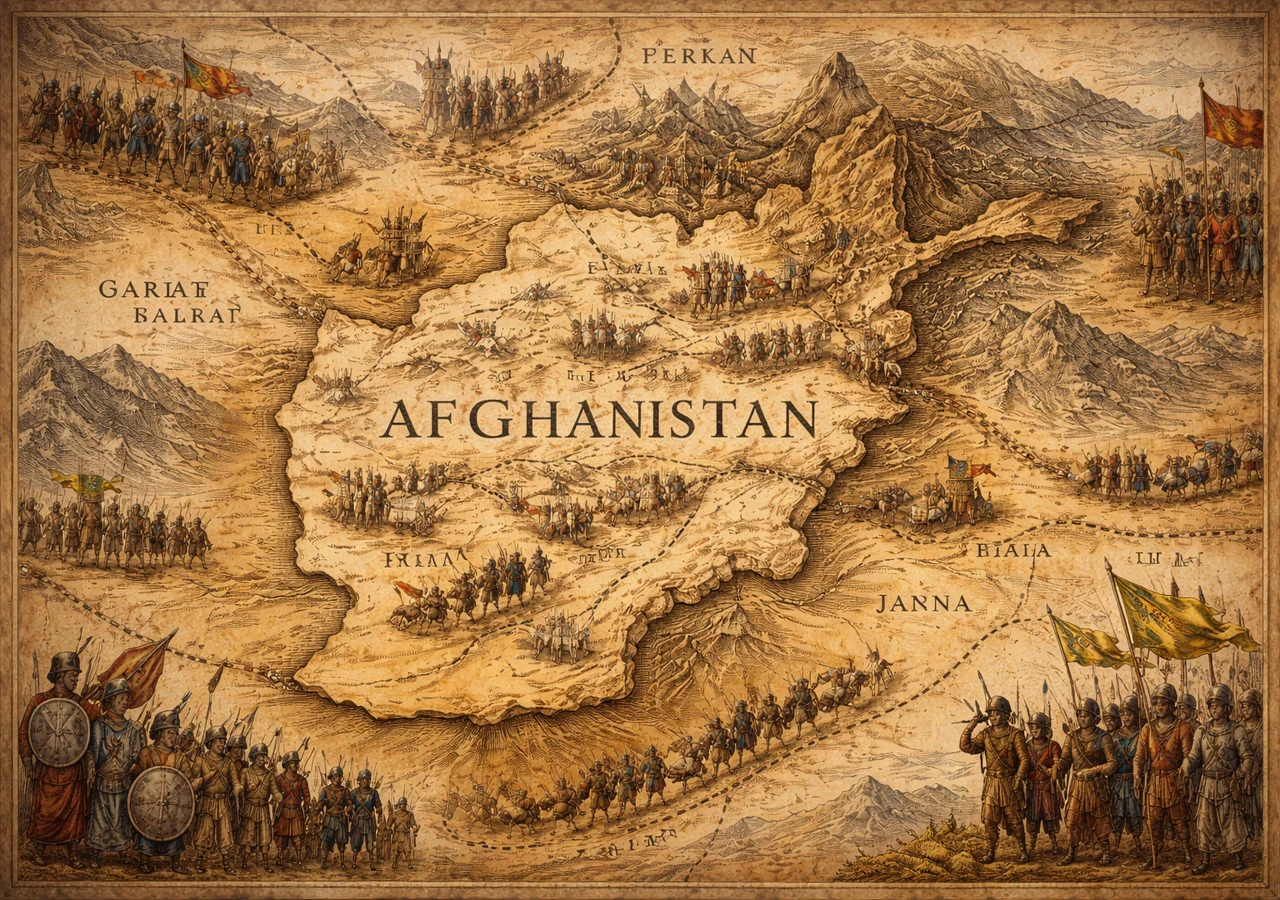
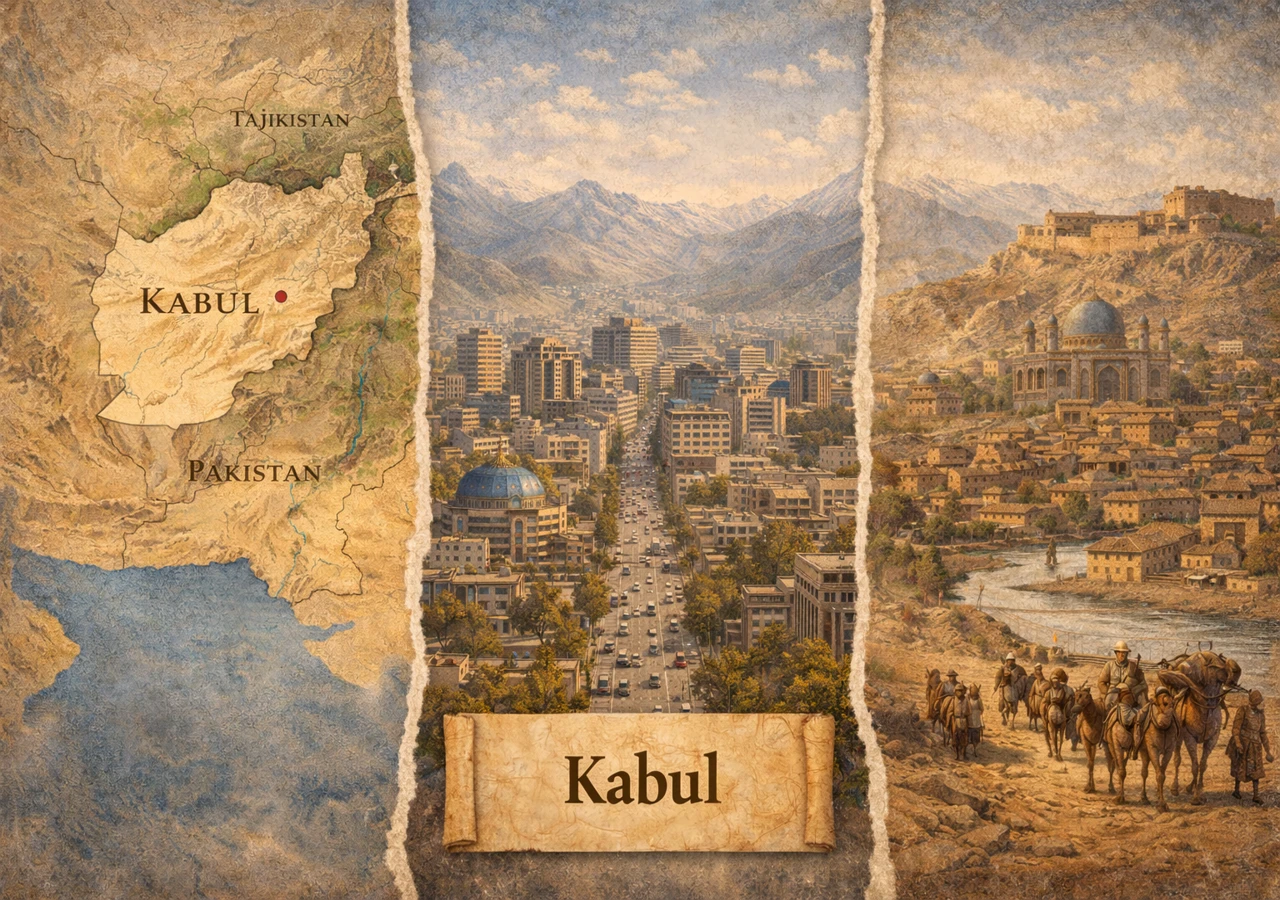
Afghanistan sits at the intersection of Central Asia, South Asia, and the Middle East. For centuries, this location made it a key corridor for trade, armies, and empires moving between regions.
Many invading powers viewed Afghanistan as a gateway or buffer zone rather than a destination, which increased its strategic importance.
Crossroads of Empires
Throughout history, major empires expanded through or into Afghan territory. Control over Afghanistan often meant greater influence over neighboring regions.
Because of this, Afghanistan became a frequent battleground for competing powers seeking regional dominance.
Buffer State Between Rival Powers
In the modern era, Afghanistan was often treated as a buffer state between rival empires. Powerful neighbors and global powers aimed to prevent their rivals from gaining influence there.
This made Afghanistan a strategic prize during periods of global competition, even when the country itself sought neutrality.
Internal Structure and Local Autonomy
Afghanistan’s social structure is based on strong local, tribal, and regional authority. While this system provides resilience, it also made centralized control difficult for foreign invaders.
Occupying forces often underestimated local resistance and overestimated their ability to impose long-term control.
Resistance to Foreign Rule
Afghan society has a long tradition of resisting foreign domination. Local communities, religious leaders, and tribal networks have repeatedly mobilized against outside forces.
This resistance made invasions costly and prolonged, often leading invaders to withdraw after failing to achieve lasting stability.
Global Power Politics
Many invasions were tied to broader global conflicts rather than Afghan internal affairs. Decisions made far outside Afghanistan shaped military interventions within its borders.
As global priorities shifted, Afghanistan often became a stage for larger geopolitical struggles.
Terrain and Military Challenges
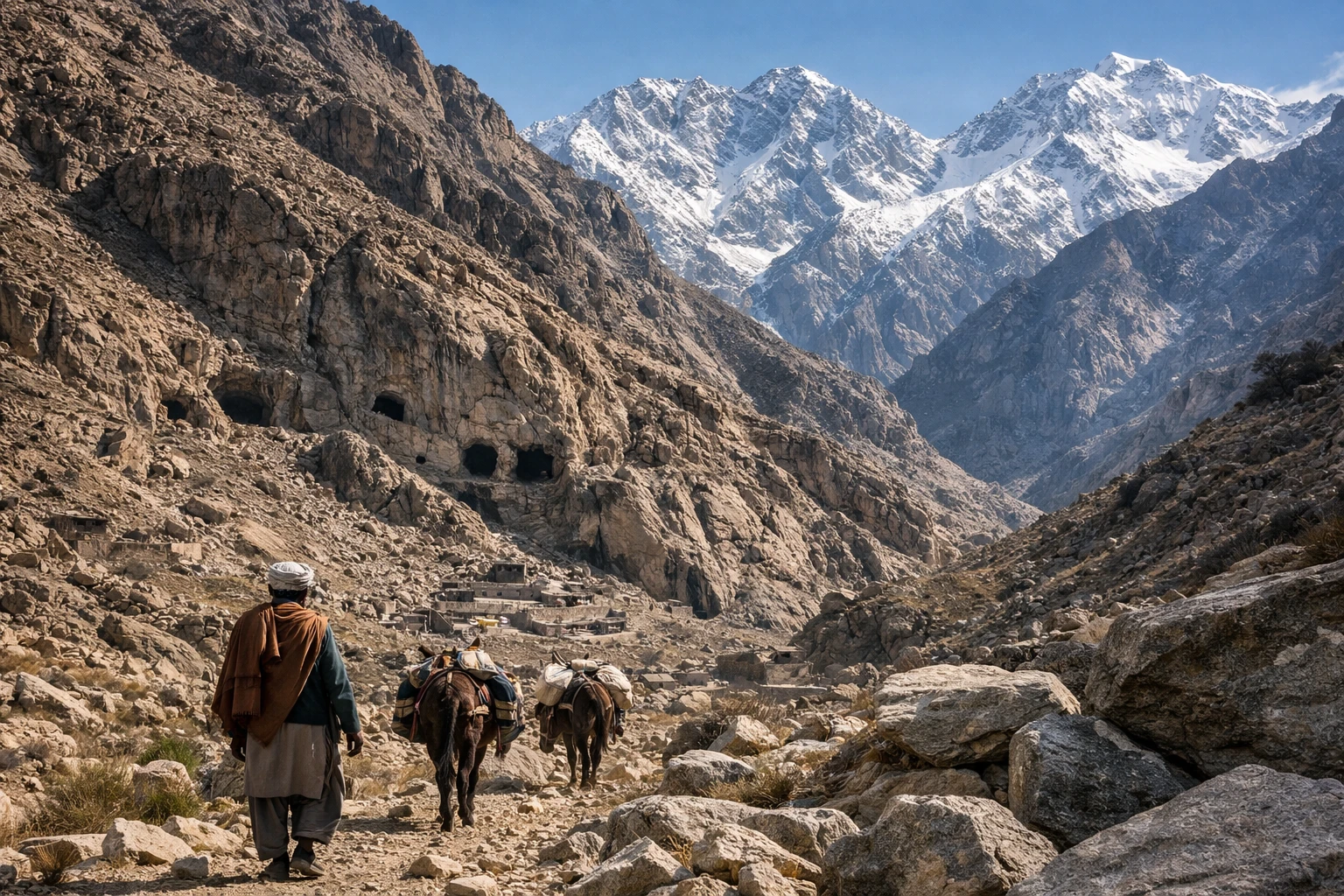
Afghanistan’s mountainous terrain and harsh climate have made military control difficult. Foreign armies faced logistical challenges, unfamiliar conditions, and limited local support.
These factors increased the difficulty of maintaining long-term occupation.
Long-Term Consequences
Repeated invasions weakened institutions, disrupted economic development, and caused long-term instability. At the same time, they reinforced a strong sense of independence and resilience within Afghan society.
The legacy of invasion continues to influence Afghanistan’s political and social environment today.
Final Notes
Afghanistan has been invaded many times not because it sought conflict, but because of its strategic location, global power rivalries, and resistance to foreign control. Geography and history placed Afghanistan at the center of regional competition, while its people consistently resisted outside domination. This combination explains why invasions occurred repeatedly and why none achieved lasting control.




No Comments