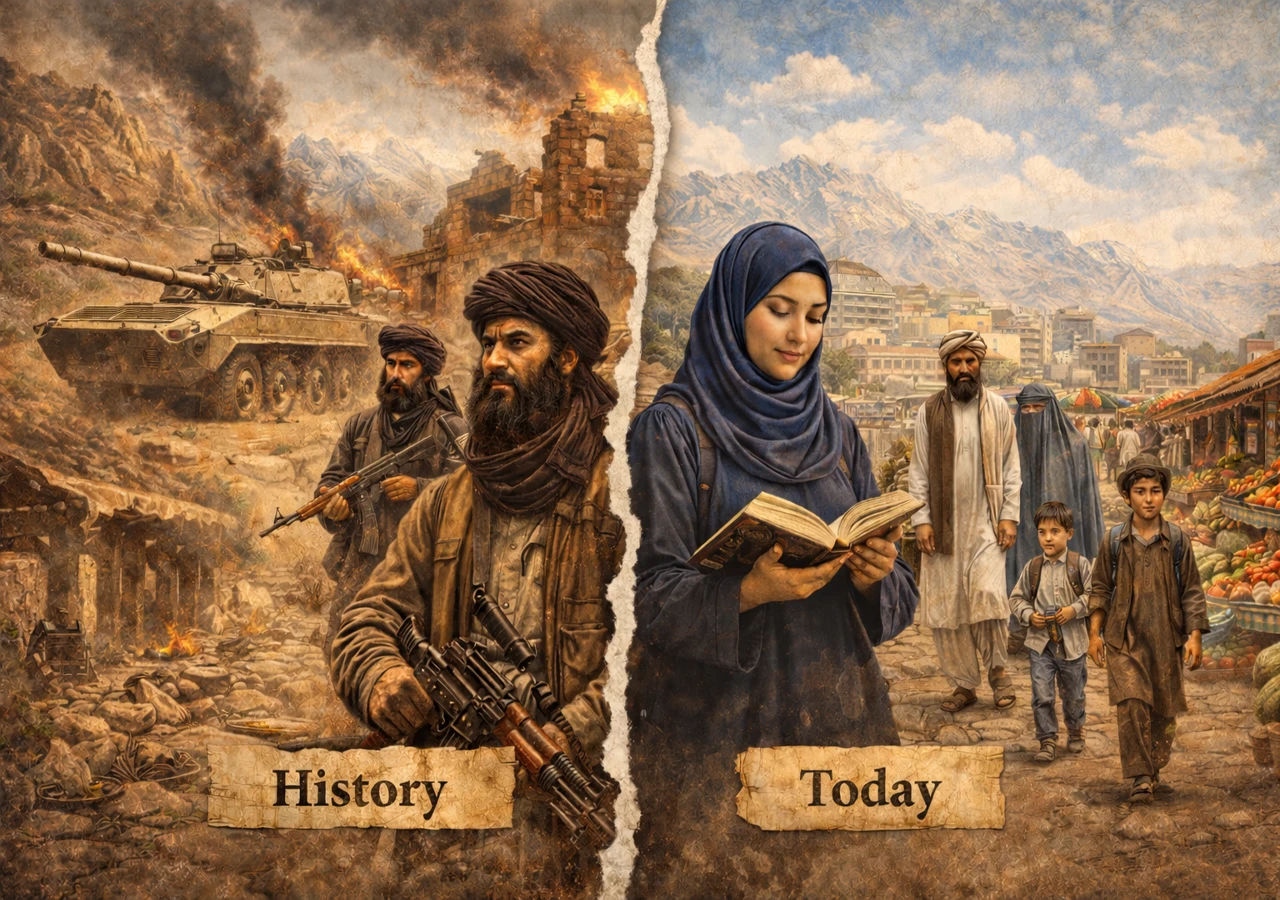
Afghanistan today is the result of centuries of history shaped by geography, empire-building, conflict, and strong social traditions. Past events have influenced how the country is governed, how society functions, and how Afghans relate to authority, security, and the outside world. History has not only created challenges but also built resilience and cultural continuity.
Understanding present-day Afghanistan requires looking at how historical experiences continue to shape daily life and national identity.
Geographic Crossroads and Strategic Importance
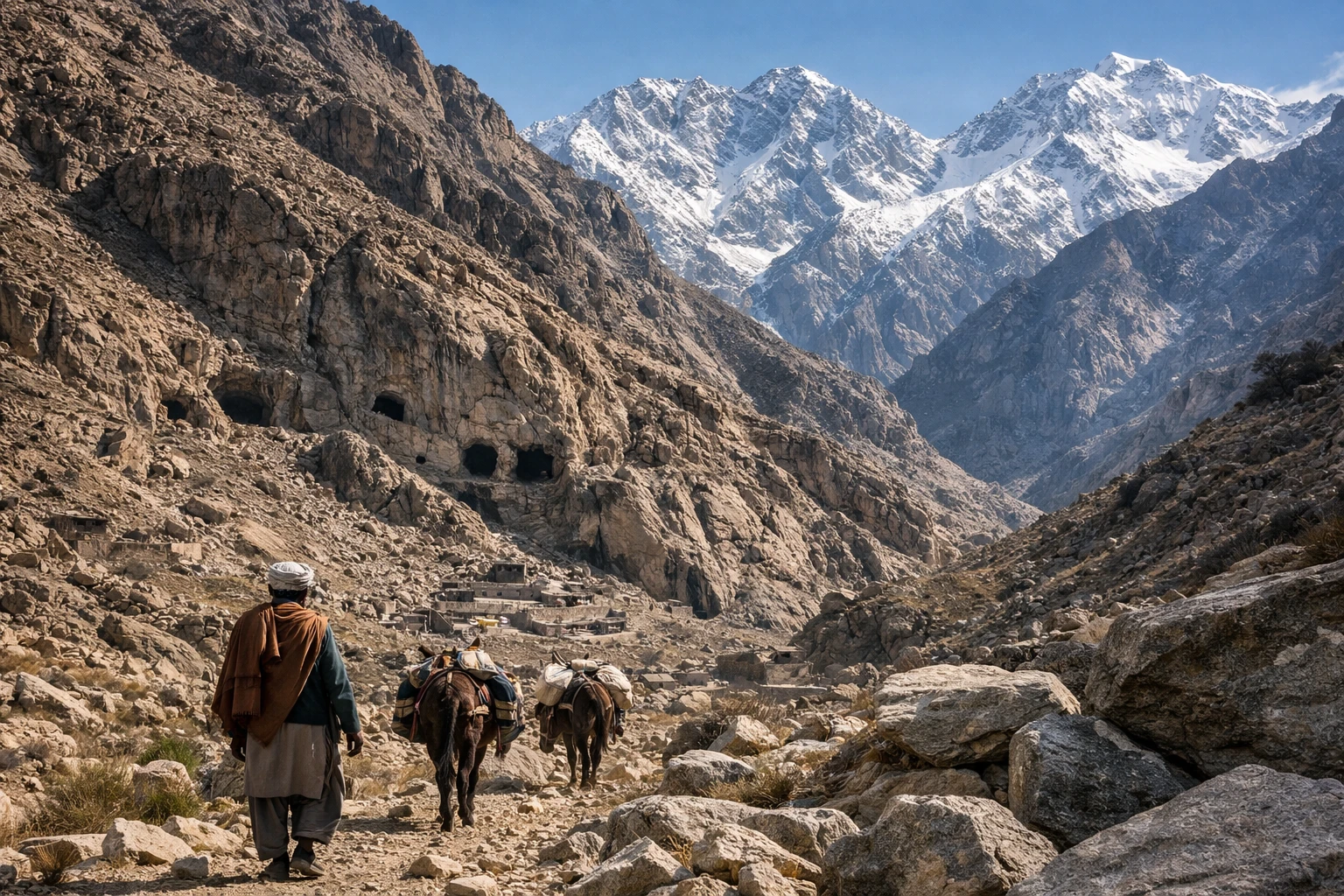
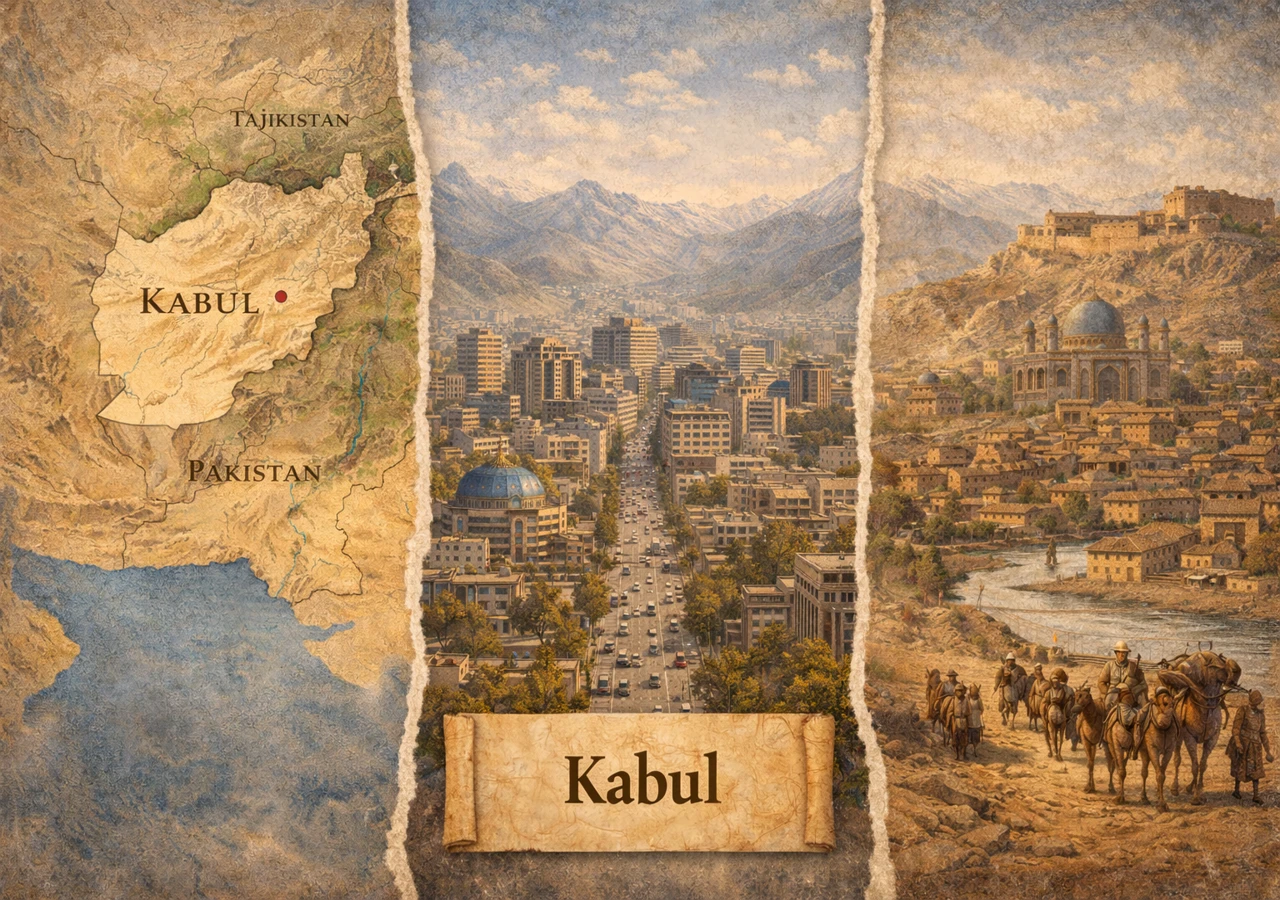
Afghanistan’s location at the crossroads of major regions has made it a place of constant interaction between empires, traders, and armies. This geography brought cultural exchange and economic opportunity but also repeated foreign involvement.
Today, Afghanistan’s strategic position still influences how regional and global actors view the country.
Legacy of Repeated Conflict
Decades of conflict, especially in the modern era, have deeply affected institutions, infrastructure, and social trust. Repeated wars weakened centralized governance and disrupted education, healthcare, and economic development.
At the same time, these experiences strengthened local coping mechanisms and community-based support systems.
Strong Local and Community Structures
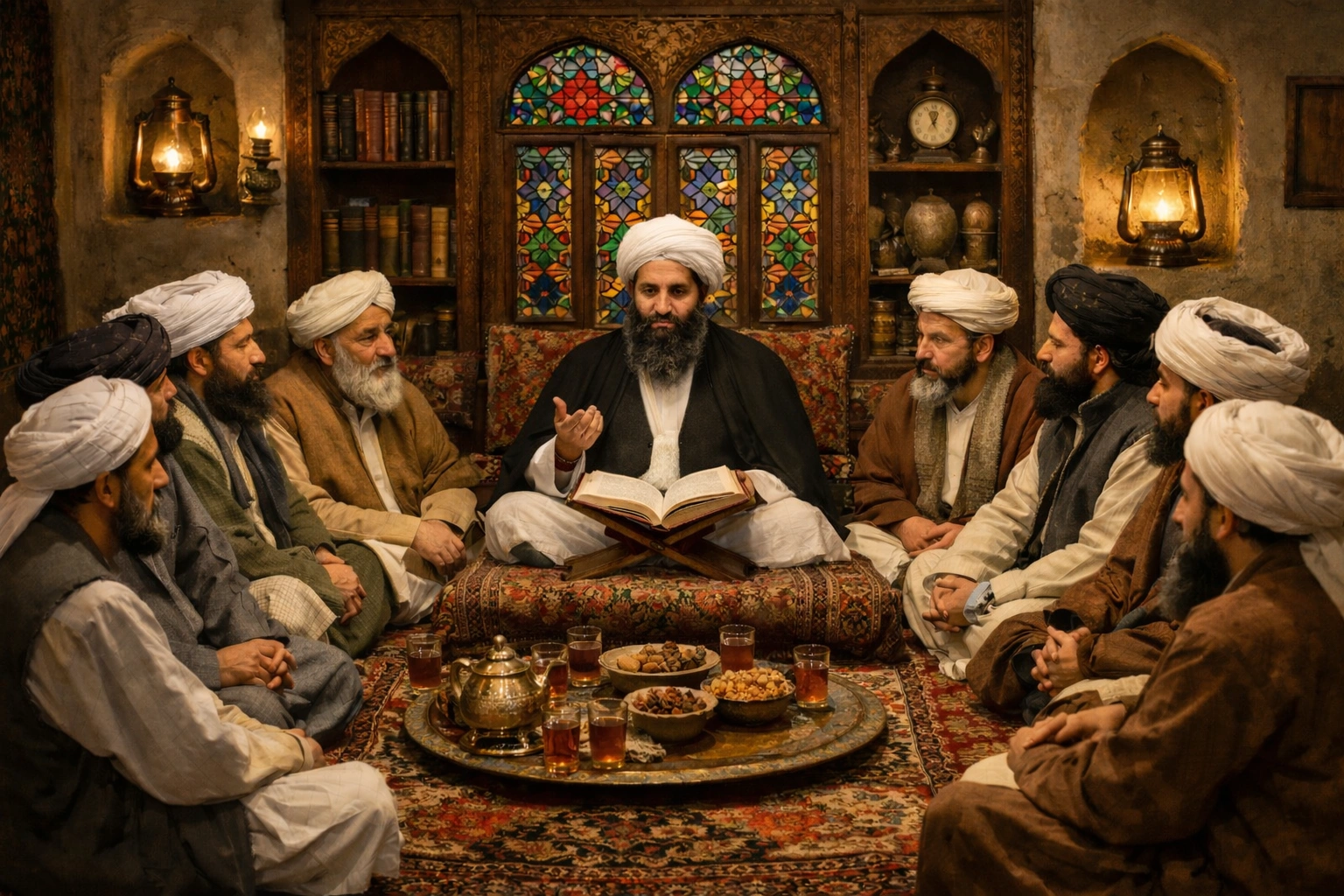
Historically, Afghan society relied on local authority, family networks, and community leadership rather than strong central institutions. This tradition continues today, with families and local leaders playing major roles in decision-making and conflict resolution.
These structures provide stability in daily life but also limit rapid institutional change.
Influence on Governance and Authority
Afghanistan’s history of resisting foreign control and centralized rule has shaped attitudes toward authority. Many Afghans value autonomy, local control, and independence from external influence.
This historical mindset affects how governance systems are accepted and enforced today.
Historical disruption of trade and industry pushed many Afghans toward informal economic activity. Small-scale trade, agriculture, and family-based businesses remain central to survival.
These patterns reflect adaptation to long-term instability and limited access to formal systems.
Social Values and Cultural Continuity
Despite political change, Afghan cultural values such as family loyalty, respect for elders, hospitality, and religious practice have remained consistent. These values were preserved through oral tradition and daily practice during periods of upheaval.
History strengthened the role of culture as a source of identity and stability.
Impact on Education and Opportunity
Conflict and instability limited access to education for generations, shaping today’s skills gap and employment challenges. At the same time, there is strong social respect for knowledge and learning rooted in historical traditions.
This contrast continues to influence social aspirations.
Relationship with the Outside World
Afghanistan’s history of foreign intervention has created caution toward external involvement. Engagement with the international community is often viewed through the lens of past experiences.
This historical memory shapes both policy decisions and public attitudes today.
Final Notes
History has shaped Afghanistan into a society defined by resilience, strong community bonds, and caution toward external control. Geographic importance, repeated conflict, and deep-rooted cultural values continue to influence governance, economy, and daily life. Understanding Afghanistan today requires recognizing how its past remains present in social behavior, institutions, and national identity.



No Comments