Bamiyan is famous for its historical heritage, unique geography, and cultural importance within Afghanistan. Located in the central highlands, Bamiyan has long been known as a center of history, trade, and cultural exchange. Today, it remains one of Afghanistan’s most recognized regions due to its past monuments, natural beauty, and symbolic role in the country’s heritage.
Understanding why Bamiyan is famous requires looking at its history, landscape, and cultural legacy.
Historical Significance of Bamiyan
Bamiyan was an important center along ancient trade routes that connected Central Asia, South Asia, and East Asia. These routes brought merchants, scholars, and travelers through the region, making Bamiyan a place of cultural exchange.
For centuries, Bamiyan played a role in regional commerce and communication.
The Bamiyan Buddhas
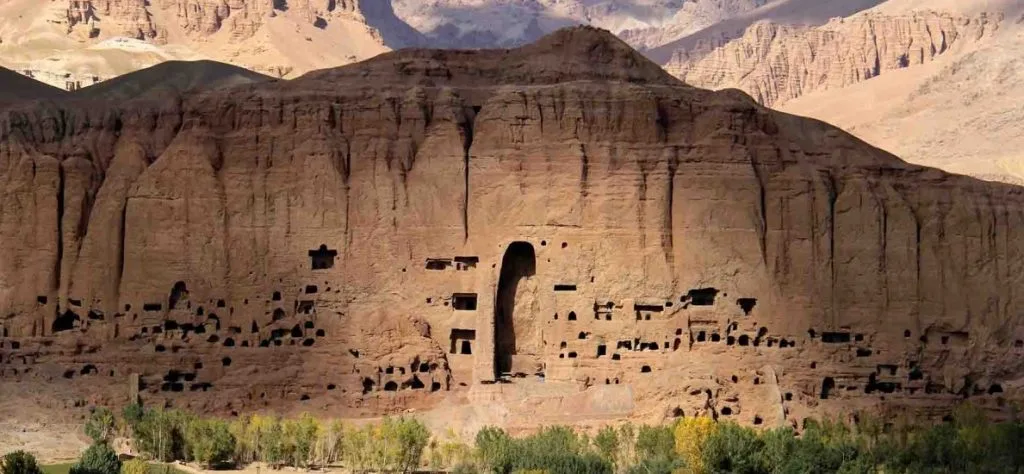
Bamiyan became globally famous for the giant Buddha statues carved into the cliffs of the Bamiyan Valley. These statues stood for over a thousand years and symbolized the region’s historical role in Buddhist civilization.
Although the statues no longer exist, their remains and niches continue to represent Bamiyan’s historical importance.
Archaeological and Cultural Heritage
Beyond the Buddha statues, Bamiyan contains caves, monasteries, and archaeological sites carved into the surrounding cliffs. These sites reflect a long history of religious, artistic, and cultural activity.
Bamiyan is recognized as one of Afghanistan’s most important archaeological regions.
Natural Landscape and Geography
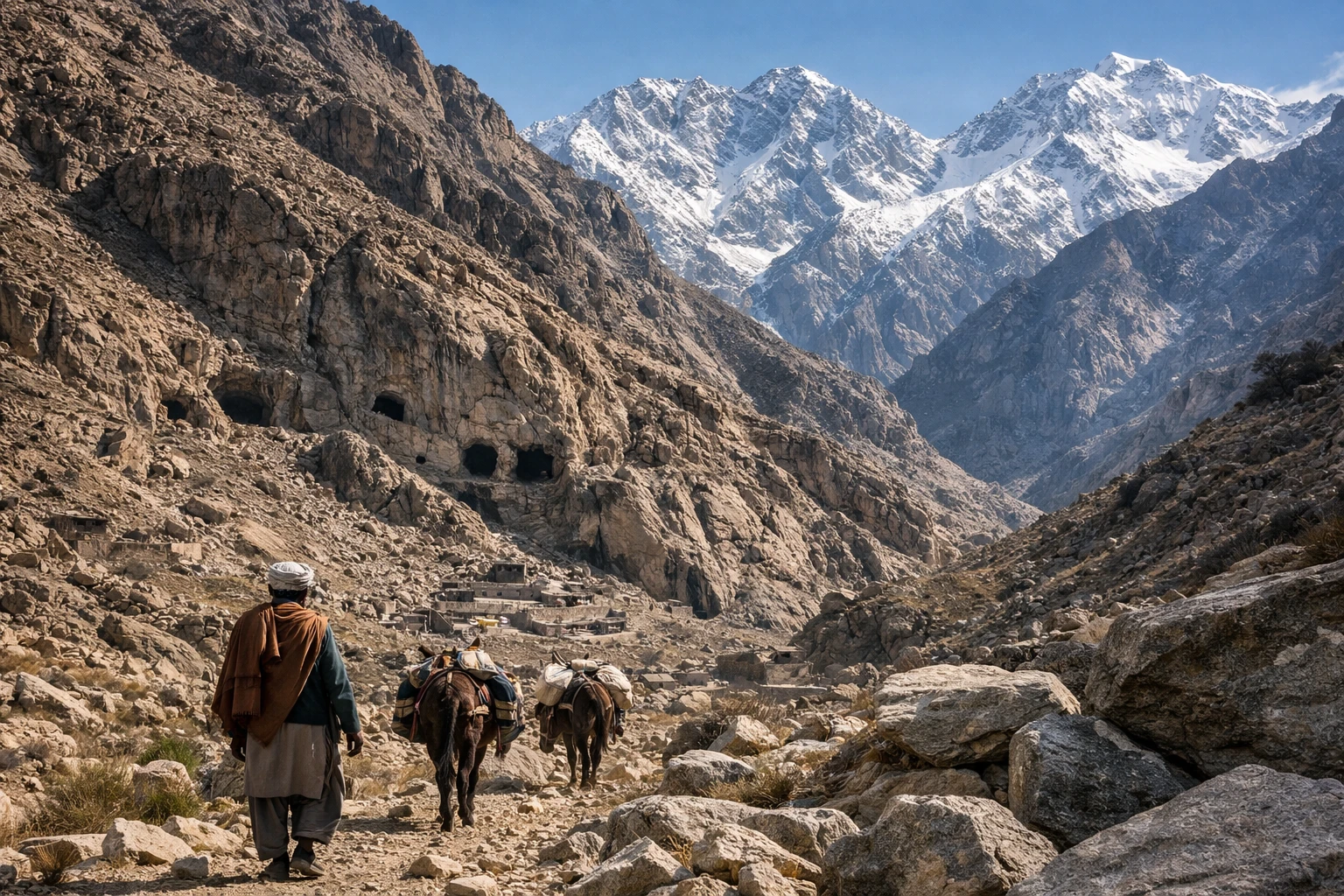
Bamiyan is known for its dramatic natural scenery. The region features high mountains, wide valleys, fertile farmland, and seasonal rivers.
Its cooler climate and open landscapes distinguish it from many other parts of Afghanistan.
Band-e-Amir and Regional Importance
Bamiyan Province is home to Band-e-Amir National Park, Afghanistan’s first national park. The park’s blue lakes and limestone formations contribute to Bamiyan’s reputation as a center of natural beauty.
This connection strengthens Bamiyan’s image as both a cultural and environmental landmark.
Cultural Identity and Local Life
Bamiyan has a strong local cultural identity shaped by agriculture, community life, and historical memory. Traditional farming, local crafts, and seasonal activities remain important parts of daily life.
The region is often associated with resilience and preservation of heritage.
Modern Recognition and Symbolism
In modern times, Bamiyan has become a symbol of cultural heritage protection and historical awareness. Its past has drawn attention to the importance of preserving history despite conflict and change.
Bamiyan represents Afghanistan’s deep historical roots and cultural diversity.
Final Notes
Bamiyan is famous for its ancient role as a cultural crossroads, the historical Buddha statues, rich archaeological sites, and striking natural landscapes. Its combination of history, geography, and cultural identity makes Bamiyan one of Afghanistan’s most significant and widely recognized regions today.





No Comments