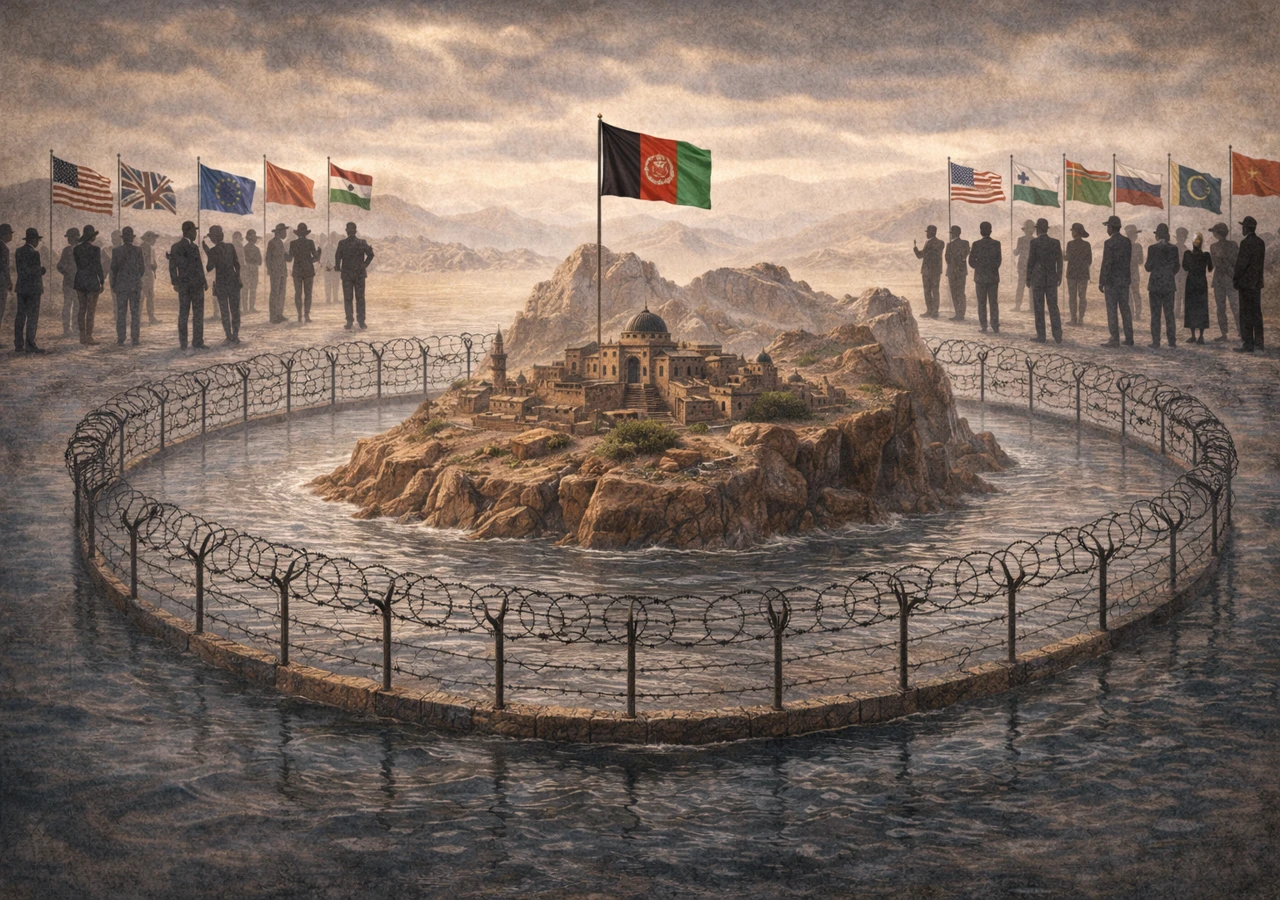
Afghanistan is politically isolated due to a combination of governance changes, international recognition issues, security concerns, and restrictions on social and political life. While the country maintains internal control and improved security in many areas, its engagement with the international community remains limited. This isolation affects diplomacy, trade, and access to global institutions.
Understanding why Afghanistan is politically isolated requires examining how internal policies and international expectations interact.
Changes in Governance
Major political changes altered how Afghanistan is governed and how authority is exercised. These changes created uncertainty for many countries regarding diplomatic engagement.
As a result, formal political relationships were paused or downgraded by much of the international community.
One of the main reasons for political isolation is the lack of widespread international recognition. Many governments have not formally recognized Afghanistan’s current authorities.
Without recognition, normal diplomatic relations such as embassies, treaties, and official cooperation remain limited.
Human Rights and Social Policies
International concerns about social policies and restrictions have influenced political engagement. Issues related to education, employment, and public participation have been central in discussions about recognition and cooperation.
These concerns have contributed to cautious or limited diplomatic interaction.
Security and Stability Concerns
Although large-scale fighting has decreased, some countries remain concerned about long-term stability and regional security. These concerns affect decisions about engagement, investment, and cooperation.
Political isolation reflects ongoing assessments rather than a single security issue.
Sanctions and Financial Restrictions
International sanctions and financial controls have reduced Afghanistan’s ability to interact with global banking and financial systems. This limits government operations, trade, and development projects.
Financial isolation reinforces political isolation.
Limited Participation in International Institutions
Afghanistan’s role in international organizations has been reduced. Representation, voting rights, and access to international forums are restricted or suspended.
This limits Afghanistan’s ability to influence global discussions and defend its interests diplomatically.
Regional Engagement Without Full Integration
Some regional countries maintain practical or informal engagement focused on trade, security, or humanitarian concerns. However, this engagement does not replace full political integration into the international system.
Regional ties remain limited and cautious.
Impact on Daily Life and Economy
Political isolation affects the economy, employment, and access to services. Reduced foreign investment and aid limit economic recovery.
Ordinary citizens experience the effects through higher prices, fewer job opportunities, and reduced services.
Prospects for Reduced Isolation
Reducing political isolation would likely require changes in policies, increased international trust, and gradual confidence-building measures. Engagement remains conditional and incremental.
Progress depends on both internal decisions and external responses.
Final Notes
Afghanistan is politically isolated due to governance changes, lack of international recognition, social policy concerns, and financial restrictions. While security conditions have improved, limited diplomatic engagement continues to shape Afghanistan’s global position. Understanding this isolation helps explain current economic challenges and Afghanistan’s constrained role in international affairs.



No Comments