The Taliban are one of the most influential political and military movements in Afghanistan’s modern history. Since returning to power in August 2021, they have reshaped the country’s political system, governance model, and daily life. Understanding who they are and how they rule requires looking at their origins, ideology, leadership structure, and methods of control.
The Taliban Movement and Its Origins
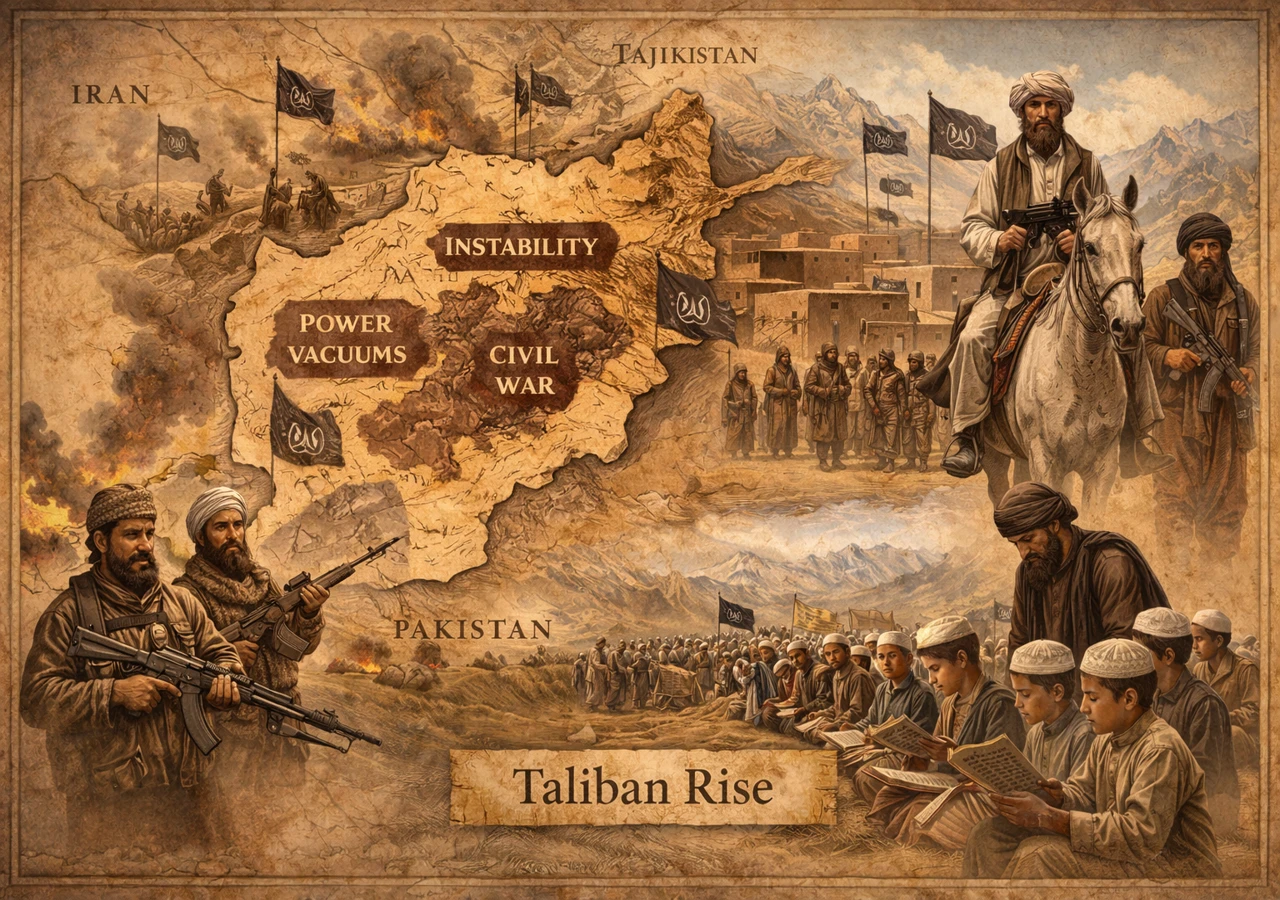
The Taliban emerged in the mid-1990s during Afghanistan’s civil war. The group was formed mainly by religious students who had studied in Islamic schools in southern Afghanistan and neighboring regions.
They initially gained support by promising security, the disarmament of warlords, and the enforcement of what they described as Islamic justice. By 1996, they controlled most of the country and ruled until their removal in 2001.
Ideological Foundations and Religious Interpretation
The Taliban follow a strict interpretation of Sunni Islam influenced by local traditions and conservative religious teachings. Their ideology emphasizes obedience, social order, and moral discipline as they define it.
Policies are justified through religious decrees issued by senior clerics, and religious legitimacy is central to how authority is exercised. This approach shapes laws related to education, media, justice, and public behavior.
Leadership Structure and Decision-Making
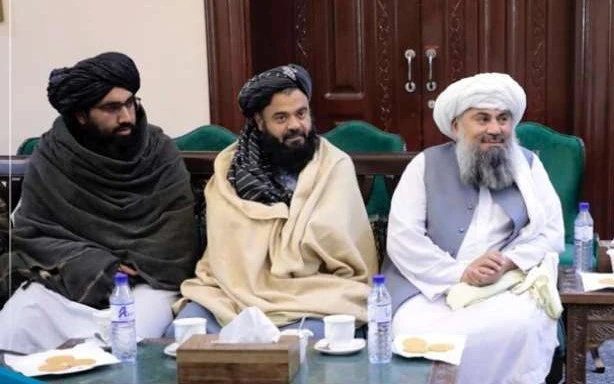
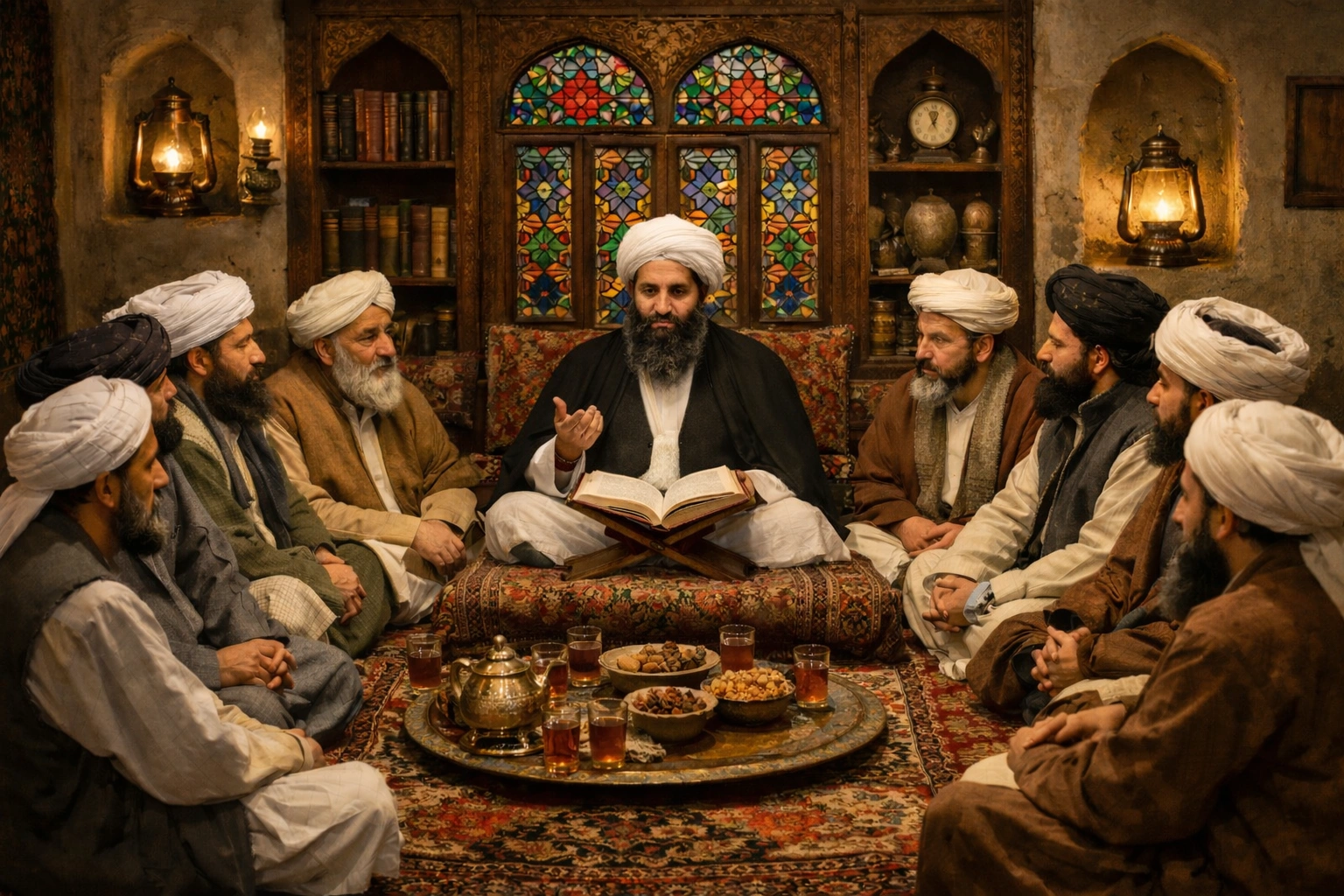
The Taliban do not operate as a modern political party. Power is centralized within a leadership council, with ultimate authority held by the supreme leader.
Key decisions are made behind closed doors and communicated downward through appointed officials. Ministries exist, but they operate under strict oversight from religious authorities rather than independent institutions.
Governance and Administrative Control
After taking control of Afghanistan in 2021, the Taliban reestablished an Islamic Emirate. Civil administration continues through ministries such as health, finance, and public works, but policy direction remains tightly controlled.
Local governors and officials are appointed directly by the central leadership. Loyalty and ideological alignment are prioritized over professional background.
Security, Law, and Justice System
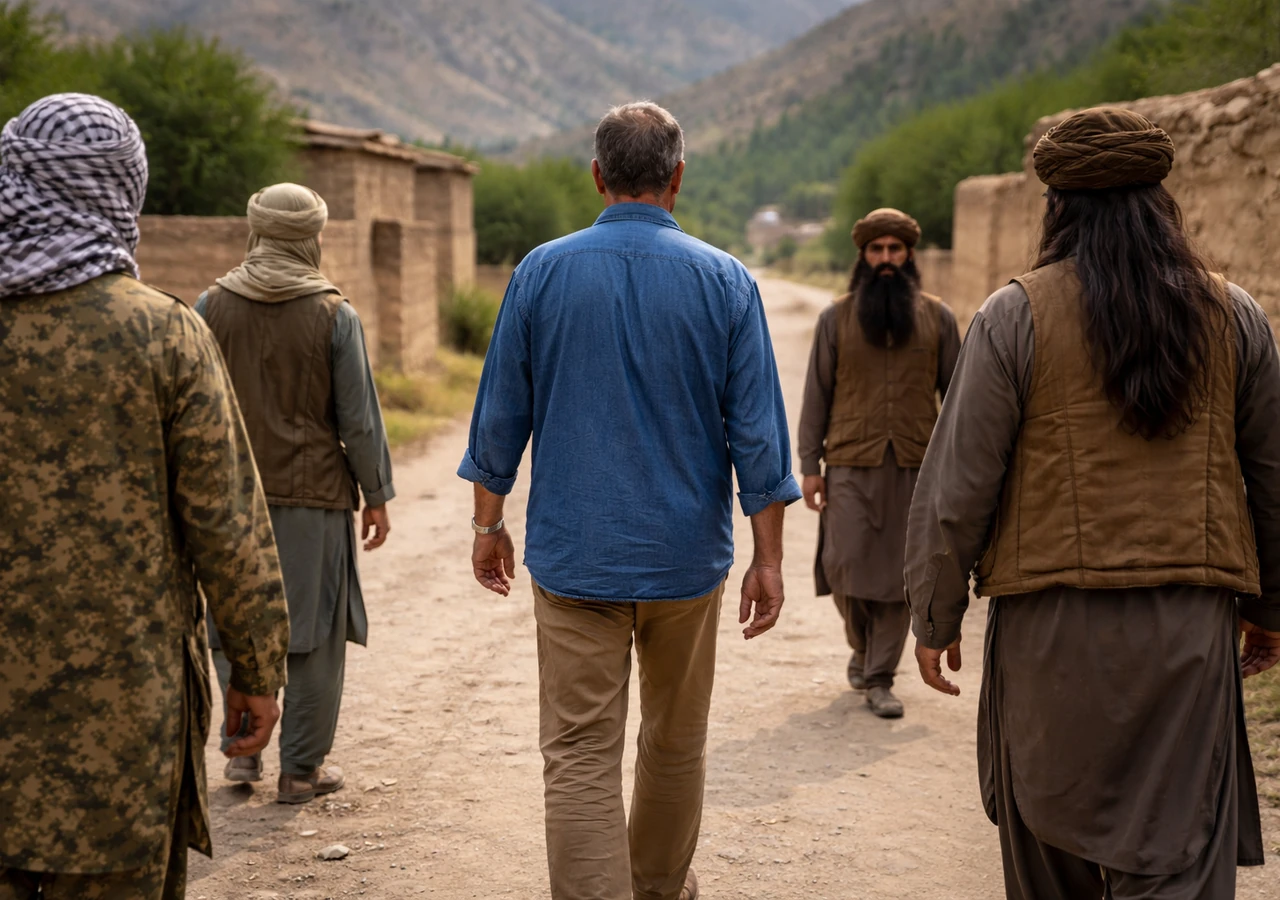
Security is enforced through Taliban security forces and intelligence units. Armed opposition is suppressed, and public order is maintained through patrols and checkpoints.
The justice system relies heavily on religious courts. Judges apply rulings based on the group’s interpretation of Islamic law, often replacing previous legal codes.
Impact on Daily Life and Society
Daily life has changed significantly, especially for women and urban populations. Access to education, employment, and public spaces is regulated through official directives.
Media outlets operate under strict rules, and civil society activity is limited. At the same time, the Taliban highlight reduced crime and increased territorial control as achievements of their rule.
International Relations and Recognition
The Taliban government is not formally recognized by most countries. However, they maintain practical relations with regional states and international organizations to manage trade, humanitarian aid, and diplomacy.
Foreign engagement is mostly focused on stability, counterterrorism assurances, and humanitarian access rather than political legitimacy.
Long-Term Outlook and Challenges
The Taliban face ongoing challenges, including economic isolation, humanitarian needs, internal disagreements, and international pressure. Their ability to govern effectively depends on balancing ideological goals with practical realities inside Afghanistan.
Final Notes
The Taliban rule Afghanistan through a centralized, religiously driven system that prioritizes control, obedience, and ideological consistency. While they have restored order in some areas, their governing model continues to generate deep social, economic, and political consequences for the country.



No Comments