Afghanistan’s system of government has changed significantly over the past decades. Since 2021, the country has been governed under a centralized model that differs greatly from a modern republic. Understanding how the government works requires examining its structure, leadership, administration, and decision-making process.
Structure of the Current Governing System
Afghanistan is currently governed under a system known as the Islamic Emirate. This system is not based on elections, a constitution approved by voters, or a parliamentary structure.
Authority is centralized, and power flows from the top leadership downward. There is no separation of powers in the conventional sense, and all state institutions operate under religious oversight.
Role of the Supreme Leadership
At the top of the governing system is the supreme leader, who holds ultimate authority over political, military, judicial, and religious matters.
Major national decisions, policy directions, and legal interpretations are approved at this level. The supreme leader is not elected by the public and does not operate within a fixed term.
Council-Based Decision Making
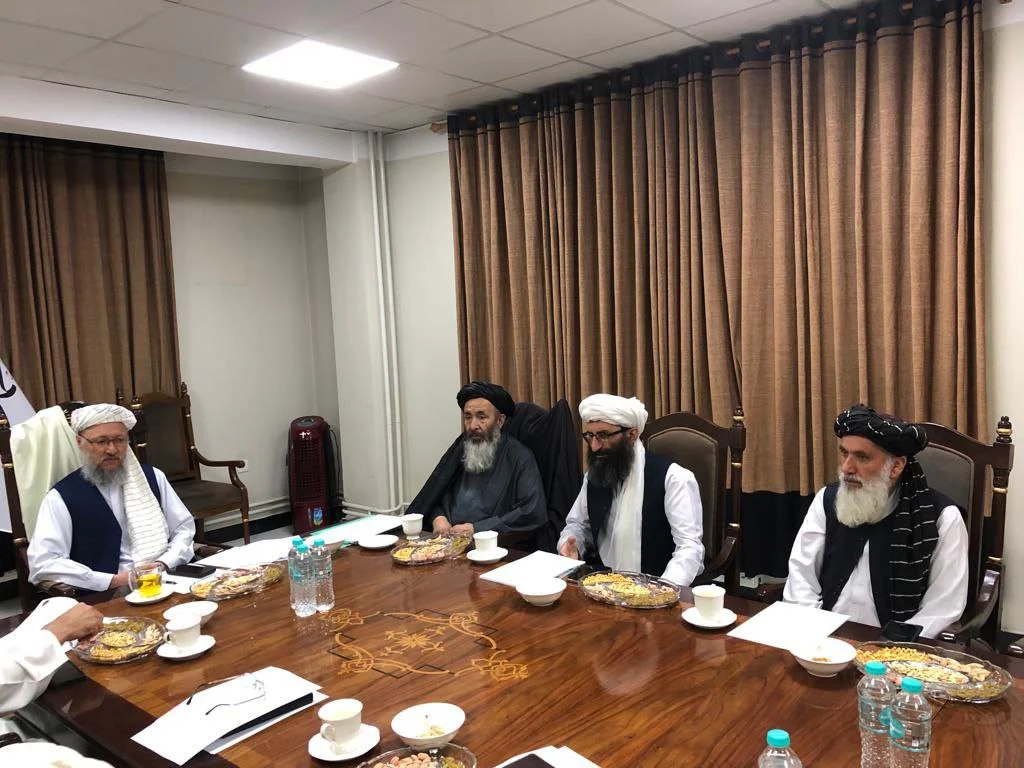
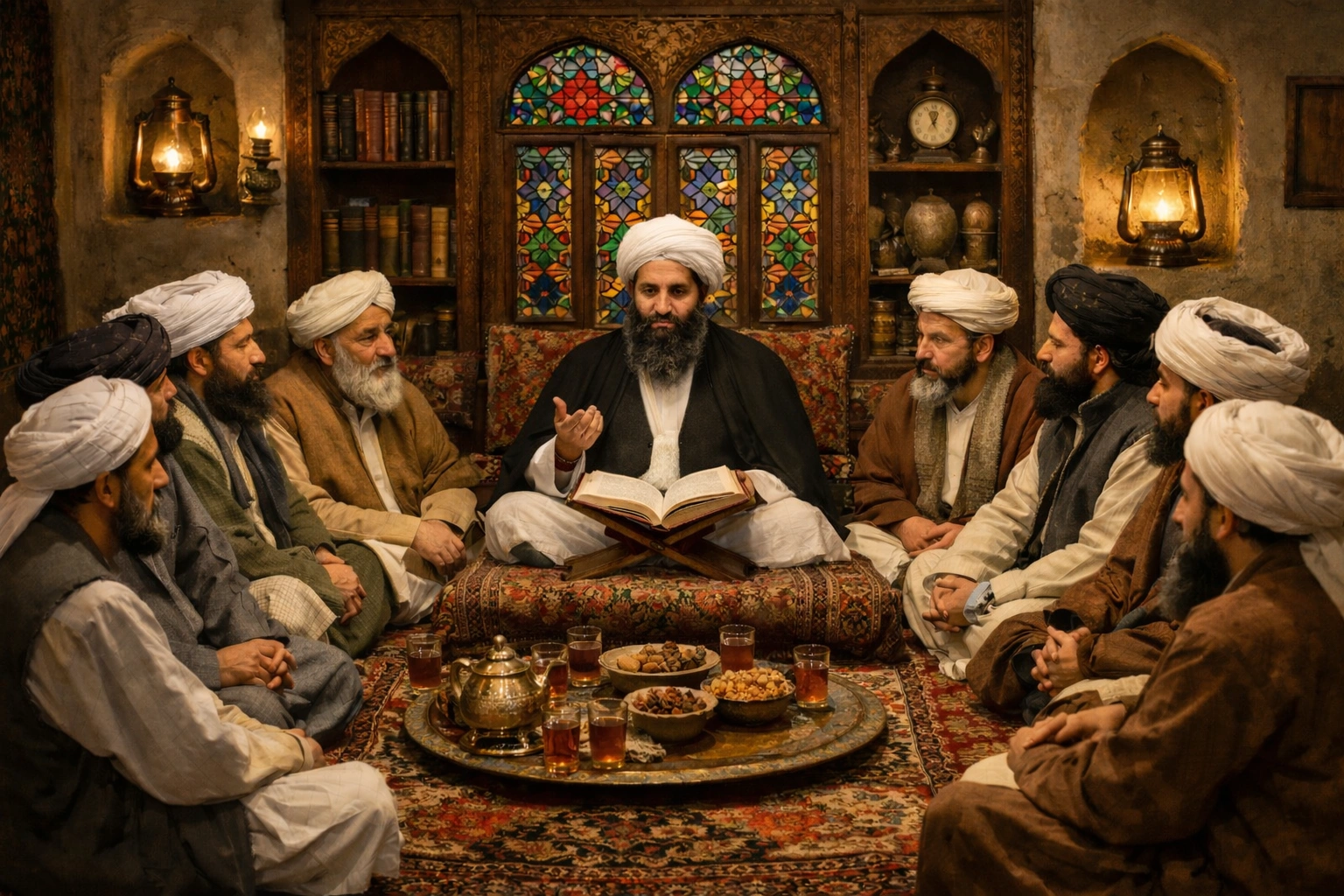
Senior leaders and clerics advise the supreme leader through internal councils. These councils discuss governance, security, and religious matters, but they do not function as public or representative bodies.
Decisions are usually made privately and communicated through official directives to ministries and provincial authorities.
Government Ministries and Administration
Afghanistan has ministries responsible for areas such as health, finance, education, transport, and public works. These ministries manage daily administrative functions and public services.
However, ministries operate under strict ideological guidance. Policy implementation must align with religious directives, and professional independence is limited.
Provincial and Local Governance
Provincial governors and district officials are appointed directly by central authorities. Local leadership is expected to enforce national policies and maintain security.
Local governance focuses on order, dispute resolution, and implementation of directives rather than local political representation.
Legal and Judicial System
The justice system is based primarily on religious courts. Judges apply rulings according to religious interpretations rather than a unified national legal code.
Formal courts exist, but legal procedures differ from international legal standards, and judicial decisions are closely tied to religious authority.
Security and Enforcement
Security institutions play a central role in governance. Law enforcement, intelligence, and internal security bodies ensure control across the country.
Public order is maintained through checkpoints, patrols, and surveillance, especially in major cities and strategic areas.
Public Participation and Accountability
There are no national elections, political parties, or formal mechanisms for public political participation.
Accountability is internal, meaning officials answer upward to leadership rather than to citizens. Public feedback is informal and limited.
The Afghan government maintains limited engagement with foreign governments and international organizations, mainly for humanitarian coordination and economic matters.
Formal diplomatic recognition remains limited, which affects trade, banking, and international cooperation.
Ongoing Challenges in Governance
Afghanistan faces serious governance challenges, including economic hardship, institutional capacity limits, humanitarian needs, and international isolation.
Balancing administrative functionality with strict ideological control remains a central issue for the governing system.
Closing Overview
Afghanistan’s government operates through a centralized, non-electoral system where authority is rooted in religious leadership and enforced through appointed institutions. While basic administration continues, the absence of public representation and limited international engagement shape how the state functions today.



No Comments