Mullah Mohammad Omar Mujahid was one of the most influential figures in modern Afghan history. He emerged during a period of deep instability after decades of war and played a central role in shaping a movement that later became Afghanistan’s ruling authority. Understanding his background and leadership helps explain the ideological and political foundations of today’s Afghan governance.
The Life and Legacy of Mullah Mohammad Omar Mujahid
Early Life and Religious Background
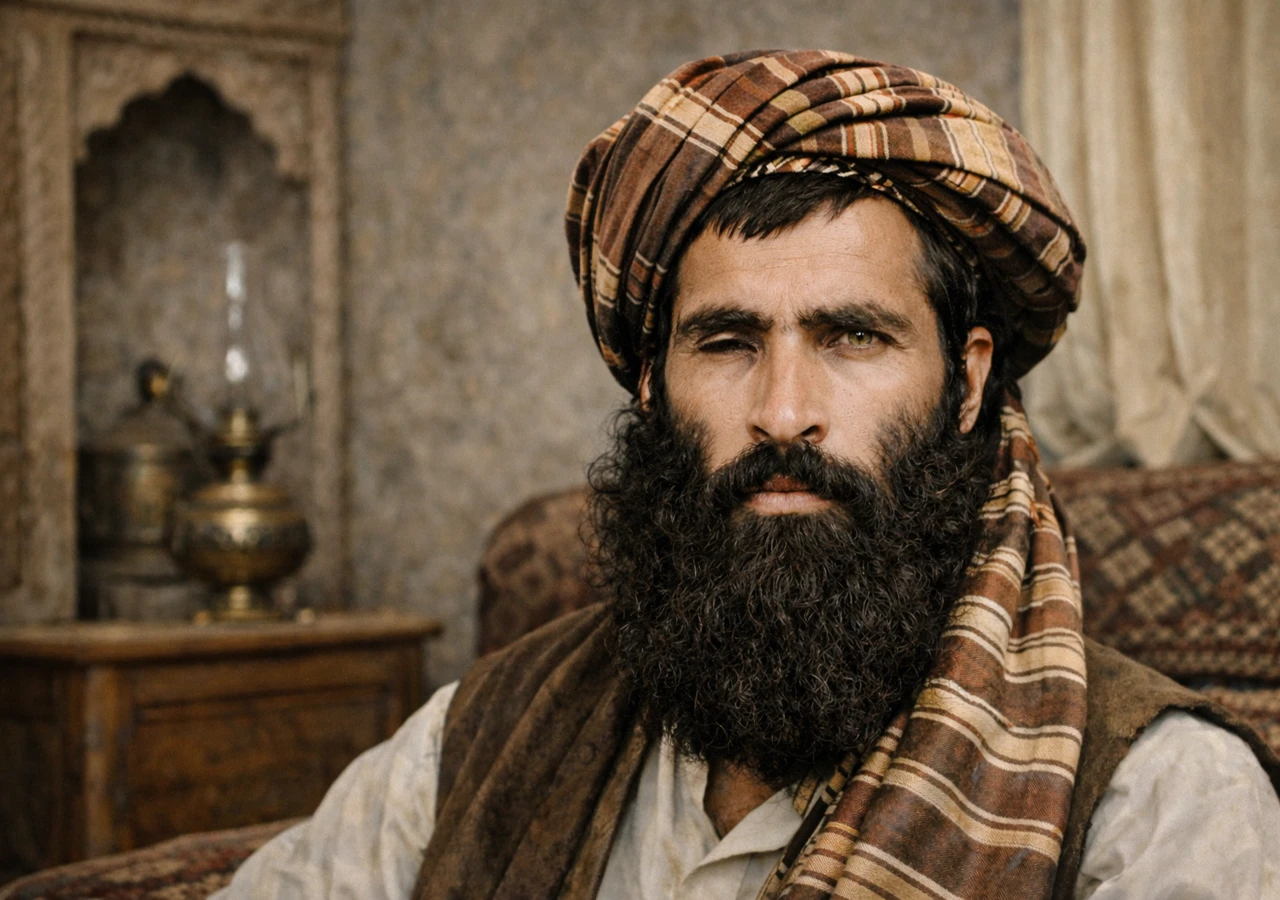
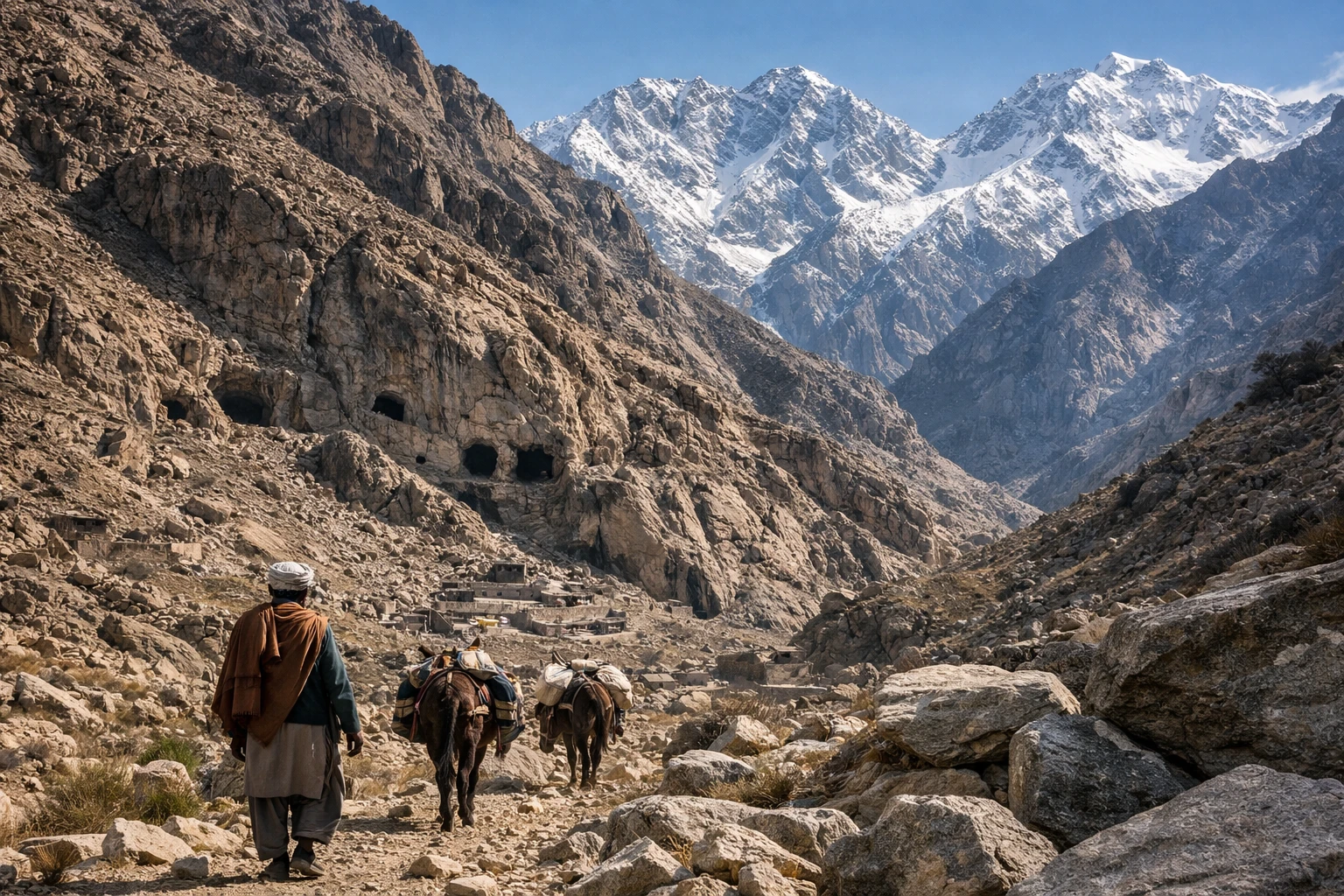
Mullah Mohammad Omar Mujahid was born around 1959 in Kandahar Province, in southern Afghanistan. Afghan Pashto and Dari sources commonly describe him as coming from a rural, religious family belonging to the Hotak branch of the Pashtun people. He received traditional Islamic education in local madrasas, focusing on Quranic studies, Hadith, and Hanafi jurisprudence.
During the Soviet–Afghan war, he joined the jihad alongside other Afghan fighters. He reportedly lost an eye during the conflict, an injury that later became part of his public image as a war-hardened religious figure. After the Soviet withdrawal, he returned to religious teaching at a time when Afghanistan was descending into internal conflict.
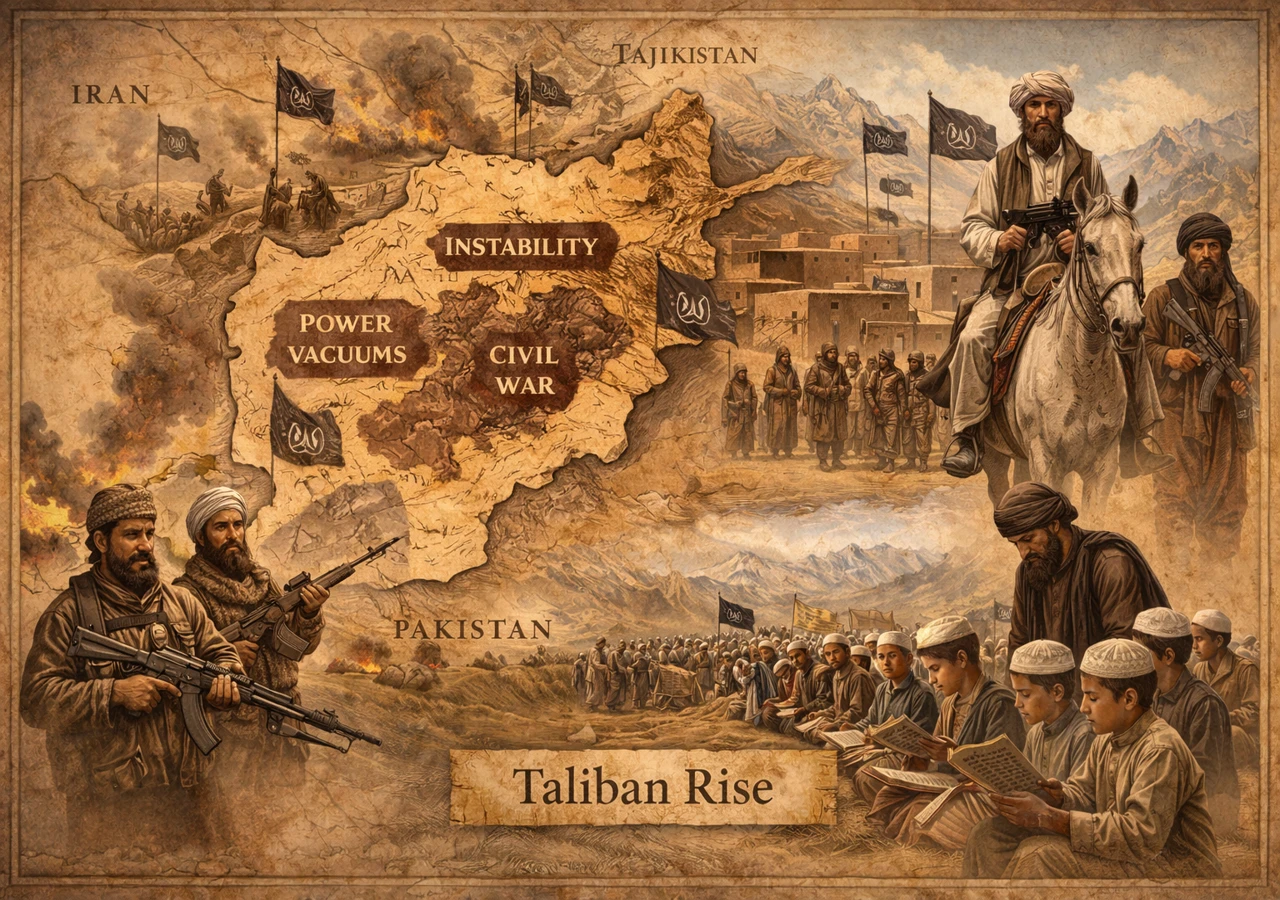
In the early 1990s, widespread insecurity, factional fighting, and abuses by armed groups deeply affected southern Afghanistan. According to Afghan Pashto-language accounts, Mullah Mohammad Omar gathered a small group of religious students with the stated aim of restoring order and enforcing what they viewed as Islamic justice.
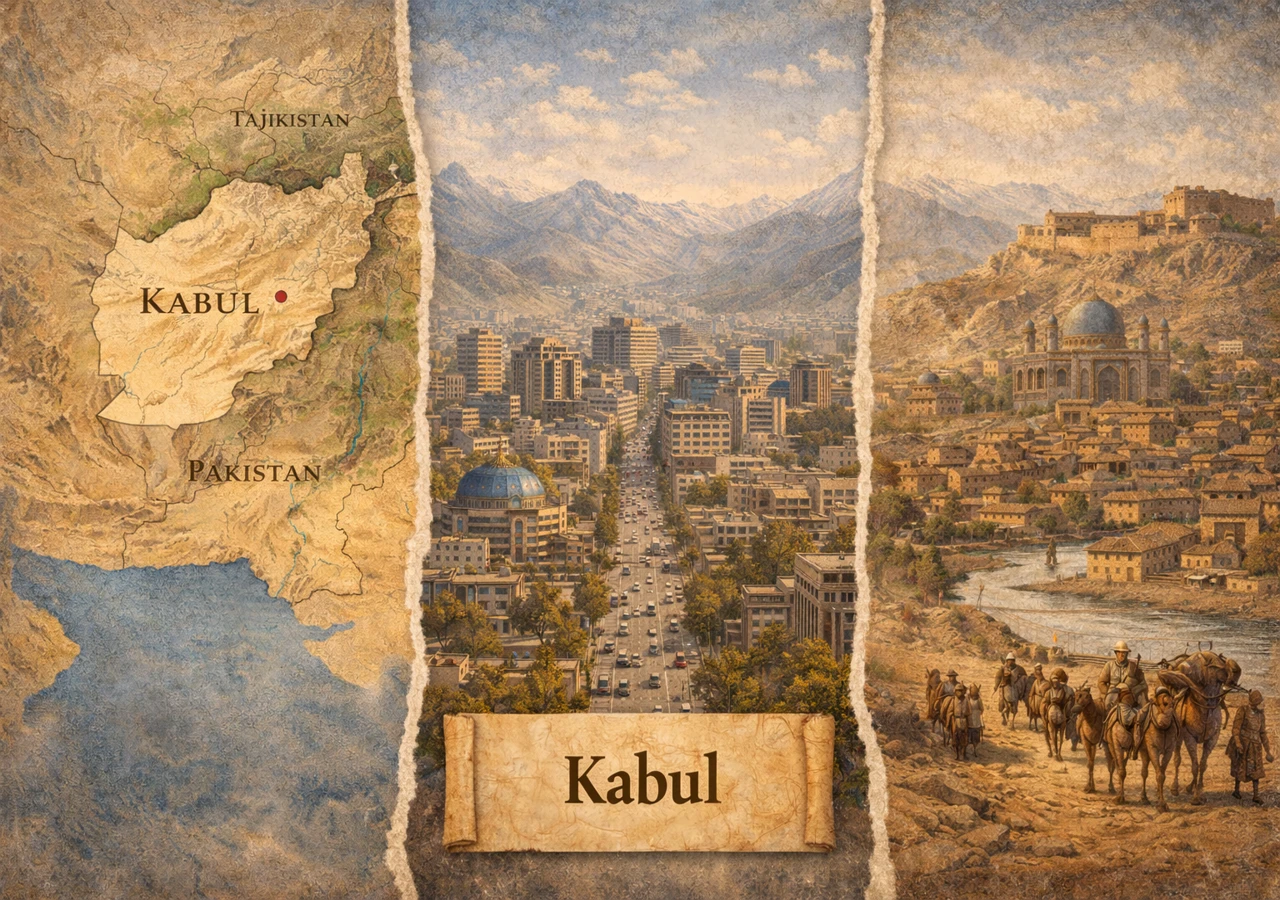
This group later became known as the Taliban. The movement expanded rapidly, gaining support among communities seeking stability. By 1996, it had taken control of Kabul and established the Islamic Emirate of Afghanistan, with Mullah Mohammad Omar recognized as its supreme leader.
Leadership Style and Religious Authority
Mullah Mohammad Omar was known for his highly reserved and secluded leadership style. He rarely appeared in public or granted interviews. Afghan and Taliban-affiliated sources emphasize that his authority was rooted more in religious legitimacy than political visibility.
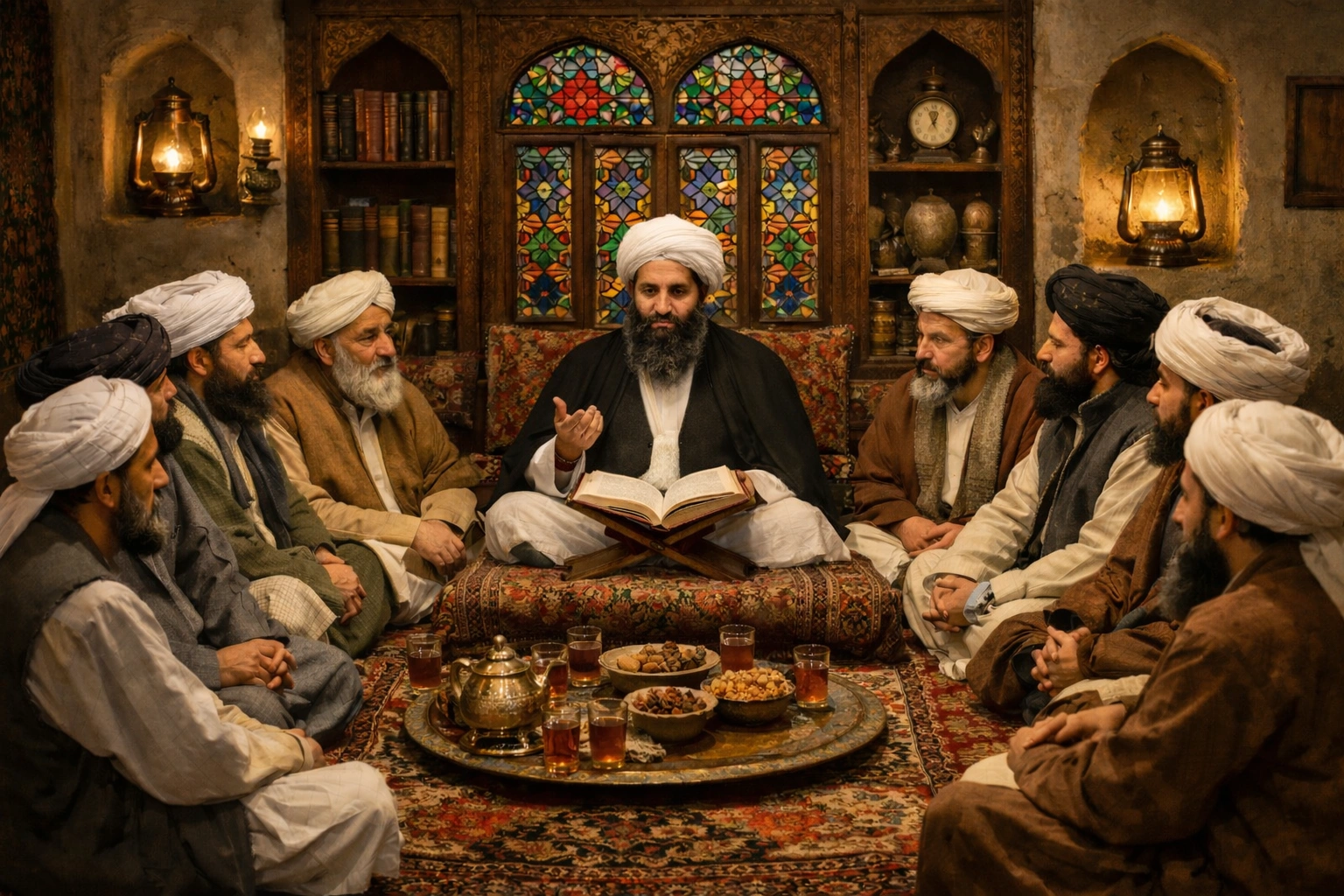
One of the most significant moments of his leadership was when senior scholars pledged allegiance to him as “Amir al-Mu’minin” (Commander of the Faithful). This title strengthened his position as both a religious and political leader within the movement.
Decision-making under his leadership was centralized, guided by religious councils, and heavily influenced by traditional interpretations of Islamic law. His approach reflected a strong emphasis on unity, discipline, and resistance to foreign influence.
Period After 2001 and Continued Influence
Following the 2001 U.S.-led intervention, the Taliban government collapsed, and Mullah Mohammad Omar went into hiding. Despite his absence from public life, Taliban communications in Pashto continued to issue statements in his name, indicating that he remained the symbolic leader of the movement.
Afghan sources note that his influence persisted through written messages that emphasized patience, resistance, and long-term strategy. His leadership helped maintain internal cohesion during years of conflict and reorganization.
Death and Posthumous Role
Mullah Mohammad Omar passed away in 2013, though his death was not publicly announced until 2015. The delay reflected concerns within the movement about unity and morale. After confirmation of his death, leadership transitioned to successors, but his legacy continued to shape the Taliban’s ideological direction.
Taliban-affiliated narratives often portray him as a unifying figure whose vision laid the foundation for their eventual return to power. His role is frequently cited as a model of religious leadership and personal austerity.
Closing Perspective
Mullah Mohammad Omar Mujahid remains a defining figure in Afghanistan’s recent history. From his origins as a village religious student to his position as founder and leader of the Taliban, his life reflects the broader social, religious, and political transformations of the country. Understanding his leadership provides important context for how the Taliban evolved into a governing authority and how its worldview was formed.



No Comments