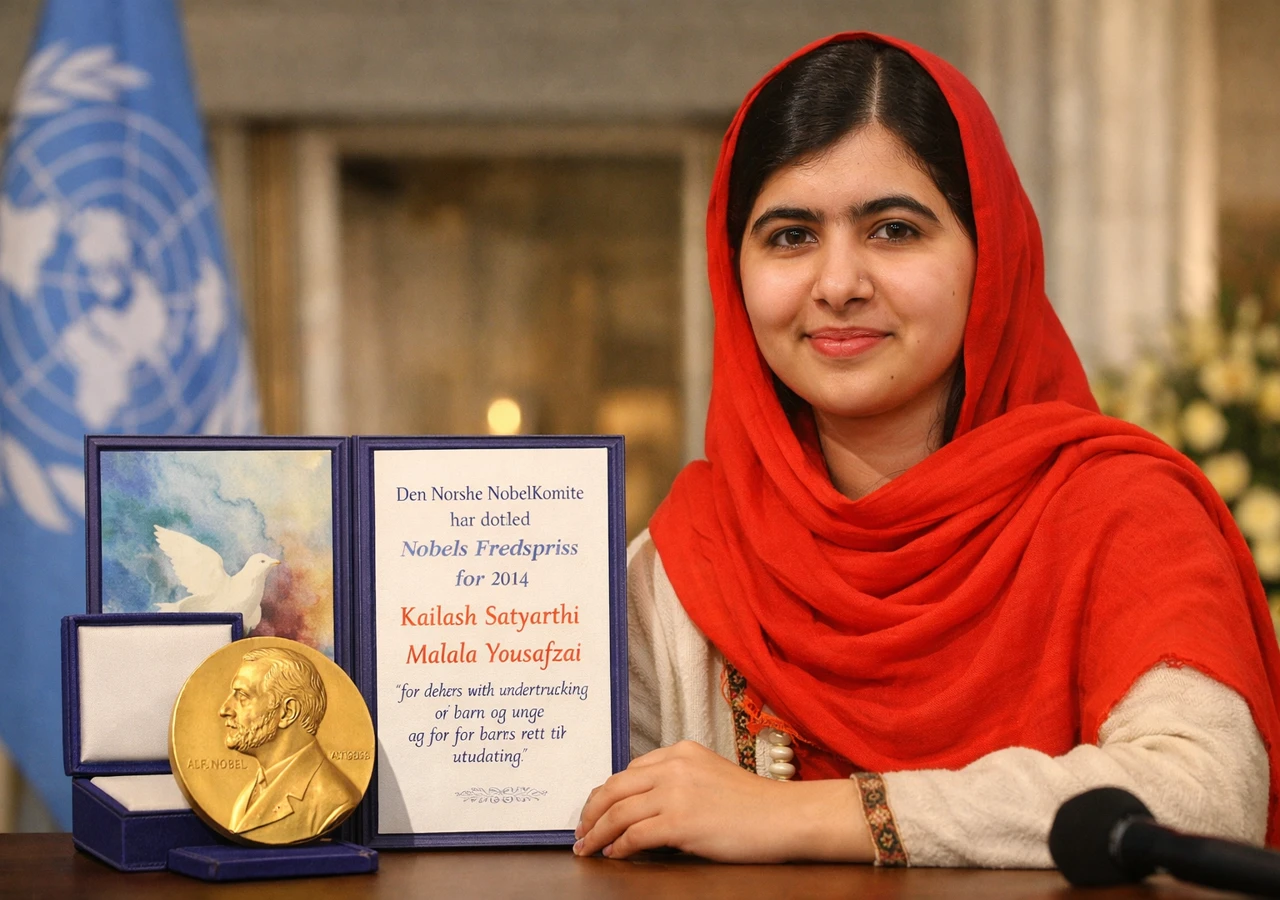
Malala Yousafzai is internationally known as a symbol of peaceful resistance and the global struggle for girls’ education. Her Nobel Peace Prize was not awarded because of fame alone, but because of sustained activism, personal courage, and a clear commitment to defending the right to education in the face of violent opposition. In 2014, she became the youngest person in history to receive the Nobel Peace Prize, a decision that reflected both her personal journey and the broader global importance of education rights.
Malala Yousafzai’s Nobel Peace Prize and Her Role in Defending Education
Early Life and Commitment to Education
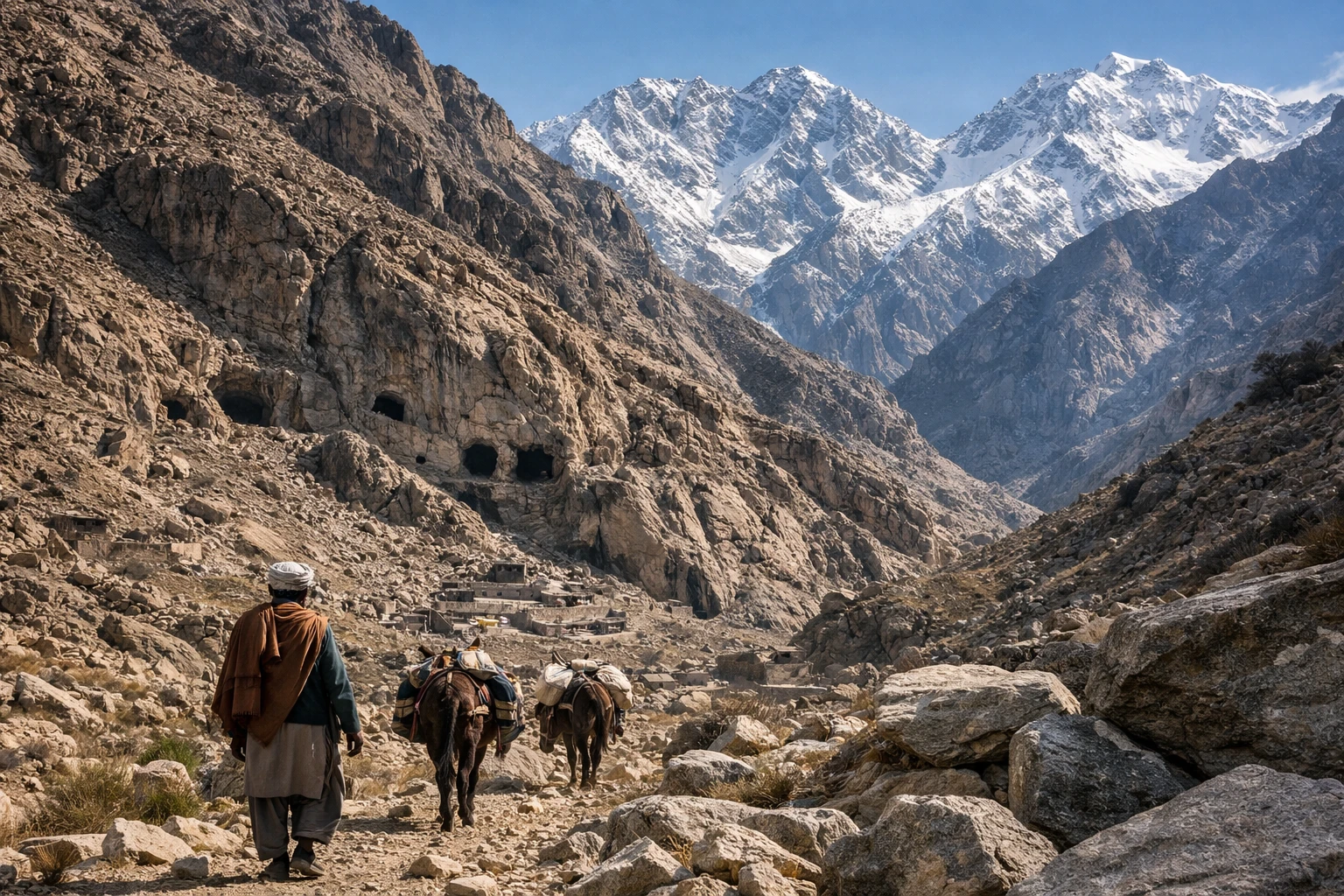
Malala Yousafzai was born on July 12, 1997, in the Swat Valley of Pakistan, a region that later experienced severe restrictions under Taliban control. Her father, an educator and school founder, strongly believed in equal education for boys and girls and encouraged Malala to speak openly about learning and social justice.
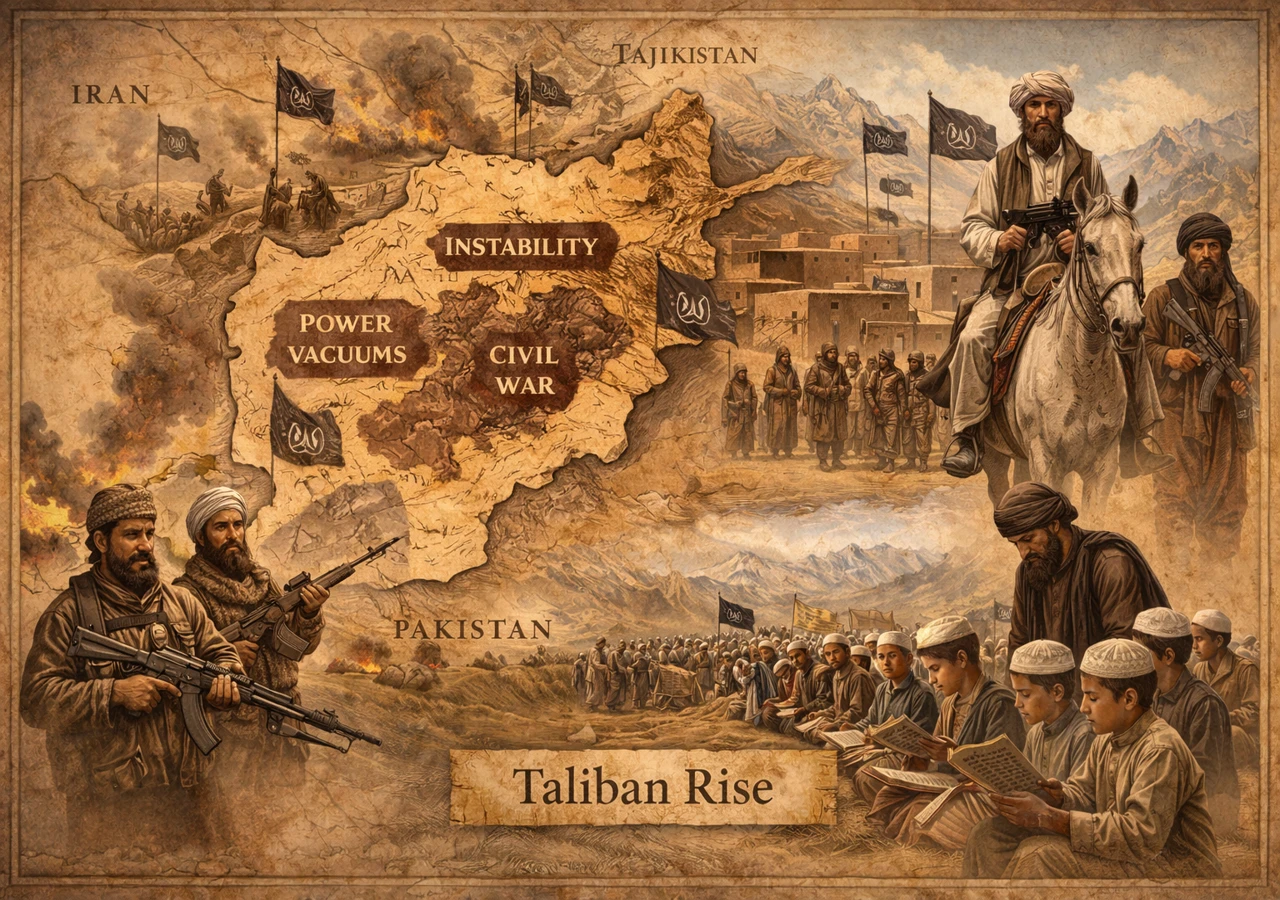
As armed groups expanded their influence in Swat, girls were banned from attending school. At a very young age, Malala began publicly defending girls’ right to education, speaking in interviews and writing about daily life under these restrictions. Her voice quickly stood out because it challenged extremist rules through peaceful words rather than violence.
The 2012 Attack and Its Global Impact
In October 2012, Malala was targeted and shot by a Taliban gunman while traveling home from school. The attack was intended to silence her activism but instead drew global condemnation and attention. After emergency treatment in Pakistan, she was transferred to the United Kingdom for advanced medical care and rehabilitation.
Despite the severity of the attack, Malala survived and later returned to public life. Her decision to continue speaking about education after the assassination attempt transformed her from a regional activist into a global human rights figure. The incident highlighted the risks faced by children, especially girls, who demand education in conflict-affected societies.
Why the Nobel Peace Prize Was Awarded
In 2014, the Norwegian Nobel Committee awarded the Nobel Peace Prize jointly to Malala Yousafzai and Indian child rights activist Kailash Satyarthi. The committee cited their struggle against the suppression of children and young people and their efforts to secure the right to education for all.
Malala’s selection was historic. At just 17 years old, she became the youngest Nobel laureate ever. The award recognized not only her survival of violence, but also her continued advocacy, moral clarity, and ability to mobilize global attention around education as a fundamental human right.
Global Advocacy After the Nobel Prize
After receiving the Nobel Peace Prize, Malala expanded her international advocacy. She addressed world leaders, spoke at global forums including the United Nations, and consistently emphasized that education should never be denied because of gender, geography, or political ideology.
She also co-founded the Malala Fund, an organization that supports education initiatives for girls in multiple countries affected by poverty, conflict, or discrimination. The fund works with local partners to improve access to schools, support teachers, and influence education policy.
Why Malala’s Nobel Prize Still Matters
Malala’s Nobel Peace Prize remains significant because it reframed education as a peace issue, not just a social one. The award sent a clear message that denying education fuels inequality, instability, and long-term conflict. Her story continues to inspire students, educators, and policymakers around the world, especially in societies where education access remains fragile.
Lasting Meaning
Malala Yousafzai won the Nobel Peace Prize because she demonstrated that peaceful resistance, even by a young student, can challenge injustice and influence global change. Her recognition honored not only her personal bravery, but also the millions of children whose right to education remains under threat. The Nobel Prize amplified a message that education is not a privilege, but a basic human right that deserves protection everywhere.



No Comments