Afghanistan is a Muslim-majority country with deep historical connections to the wider Islamic world, including the Middle East. Because of shared religion, some clothing styles, and certain facial features that can look similar across regions, people sometimes ask if Afghans are Arabs. The short answer is: most Afghans are not Arab, but Afghanistan does have small Arab communities, and Afghan society includes many different ethnic groups.
Afghanistan’s Ethnic Diversity and Identity
Afghanistan is not a single-ethnicity country. It is a multi-ethnic society with several large groups and many smaller communities. Ethnic identity in Afghanistan is usually linked to language, region, history, and family background, not to one single national “tribe.”
Many Afghans speak Dari or Pashto as first languages, and these are not Arabic. Arabic is respected mainly as the language of the Quran and Islamic scholarship, but it is not the everyday native language for most people in Afghanistan.
Who Are Arabs in Afghanistan?
Yes, there are Arabs in Afghanistan, but they are a small minority compared to the total population.
Arab communities in Afghanistan have existed for a long time due to:
- Early Islamic-era movements and settlement
- Trade routes and regional migration
- Historical ties between Afghanistan and neighboring regions
In some areas, families may identify as Arab by heritage even if they no longer speak Arabic as their first language today.
Are Sadat Considered Arab?
Many people in Afghanistan refer to Sadat (Sayyids) as having lineage connected to the family of the Prophet Muhammad. In everyday conversation, some Afghans may describe Sadat as “Arab” because of this lineage connection.
However, identity can be complex:
- Sadat are a respected community, found in different parts of Afghanistan.
- Many Sadat families have lived in Afghanistan for generations and may speak Dari, Pashto, Uzbeki, or other local languages.
- Some Sadat identify strongly with their Afghan regional and cultural identity while also valuing their family lineage.
So, while many Afghans may associate Sadat with Arab ancestry, it is more accurate to say: Sadat are a lineage-based community present in Afghanistan, and some are viewed as having roots linked to Arabia, but they are not a large separate “Arab population.”
Why Do Some Afghans Look Similar to Arabs?
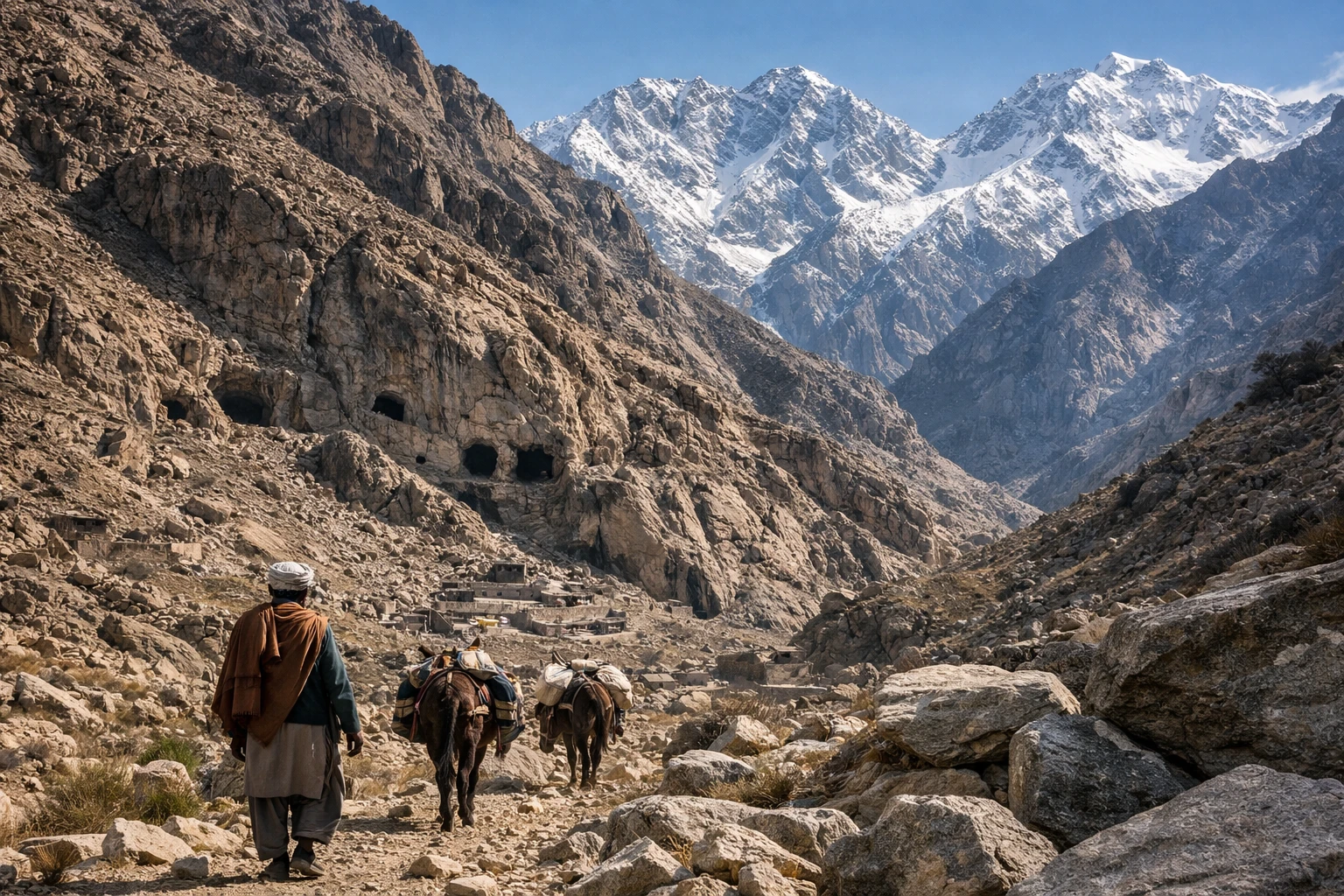
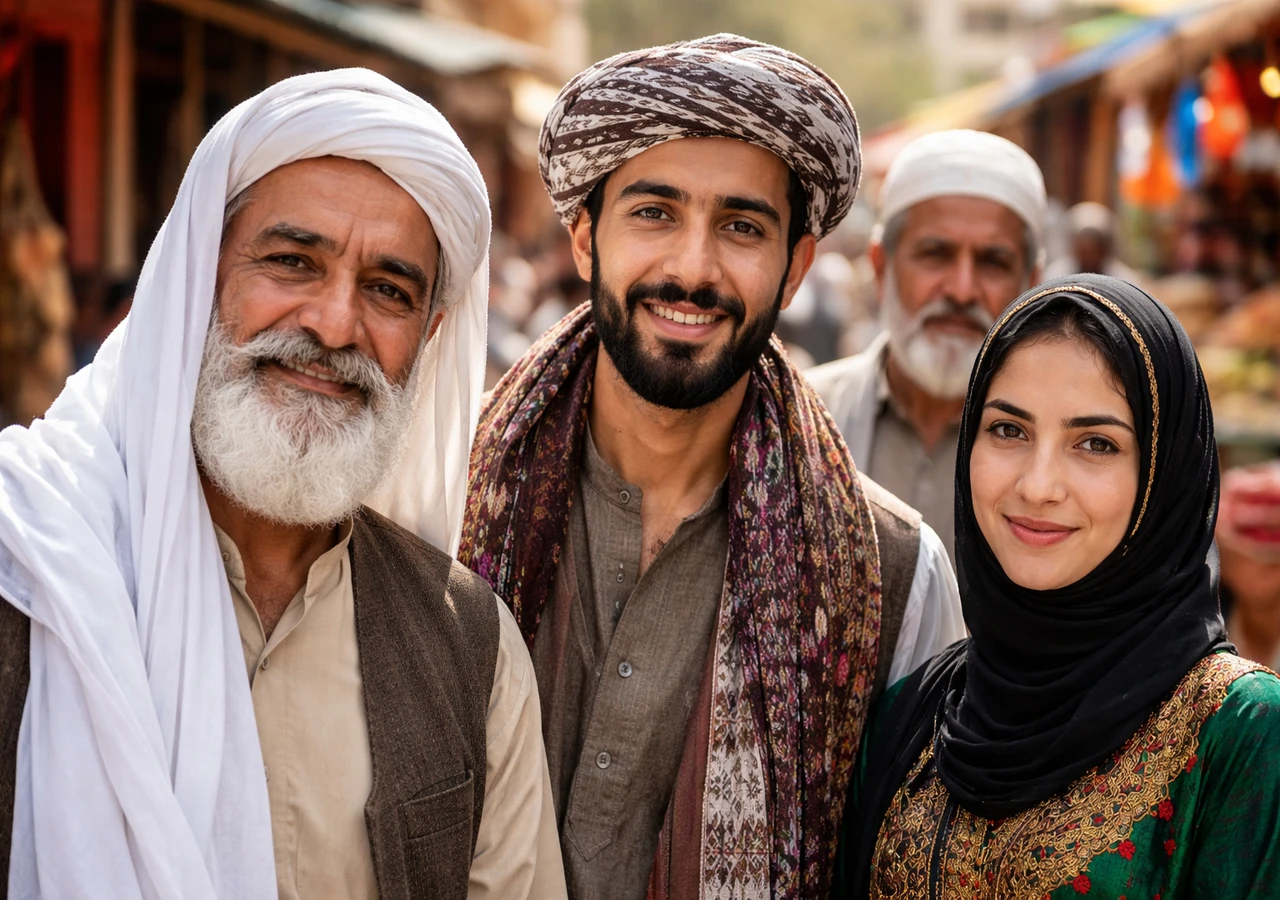
Physical appearance varies widely across Afghanistan because it sits at a historic crossroads between Central Asia, South Asia, and the Iranian plateau. Over centuries, trade, migration, and intermarriage created a broad range of features.
Also, many features people associate with “Arab appearance” (such as darker hair, brown eyes, and certain facial structures) are common across many regions, not only the Arab world. Similar appearance does not automatically mean the same ethnicity.
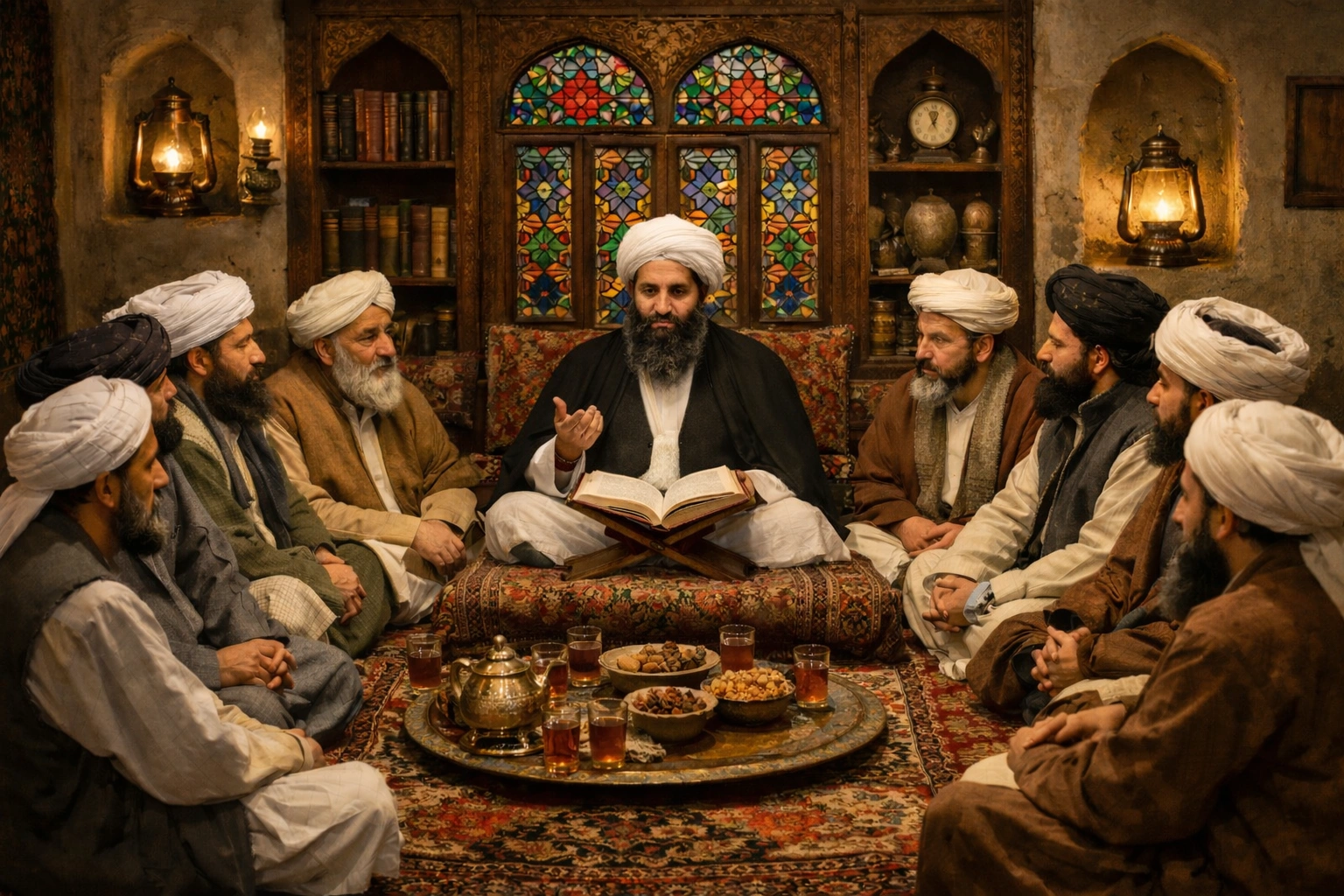
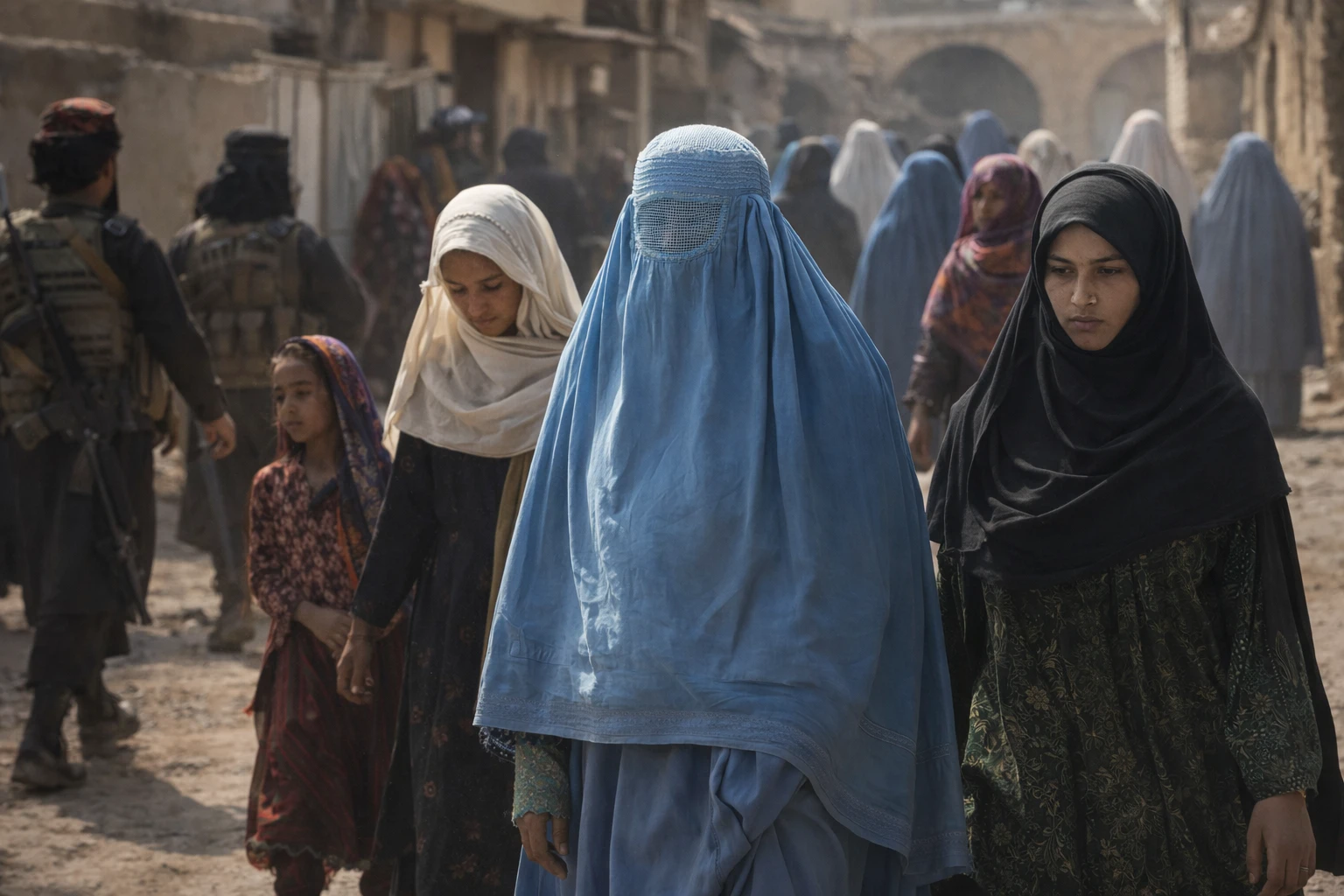
How Islam Influenced Afghan Clothing and Styles
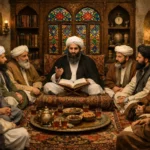
Islam has strongly shaped Afghan social norms and public dress, but Afghan clothing is not simply “Arab clothing.” It reflects a mix of:
- Islamic values around modesty
- Local climate and geography (cold winters, dusty summers)
- Regional traditions (different styles by province and community)
Examples of Islamic influence on style include:
- Modest forms of dress for men and women
- Head coverings in many communities
- Preference for loose, practical garments
At the same time, Afghan traditional clothing has its own long history, with local fabrics, embroidery, and cuts that differ from common Middle Eastern styles. In other words: Islam influenced the idea of modest dress, while Afghan culture shaped the exact look.
Key Takeaway for International Readers
If you meet someone from Afghanistan, it is usually safest and most respectful to assume they are Afghan (national identity) and not guess their ethnicity as “Arab.” Afghanistan includes many ethnic backgrounds, and only a small number of people identify as Arab by heritage.
Final Notes
Most Afghan people are not Arab, but Afghanistan does have small Arab communities, and some groups such as Sadat are often associated with ancestry connected to Arabia. The question often comes from shared Islamic culture, modest clothing traditions, and occasional similarities in appearance—yet Afghanistan’s identity is shaped by its own diverse ethnic makeup, languages, and regional traditions.



No Comments