Young people in Afghanistan today face a very different reality than previous generations. Their daily lives are shaped by limited opportunities, family expectations, economic pressure, and restricted access to education and work. While experiences vary by location and background, many young Afghans share similar challenges and coping strategies.
Daily Life of Young People
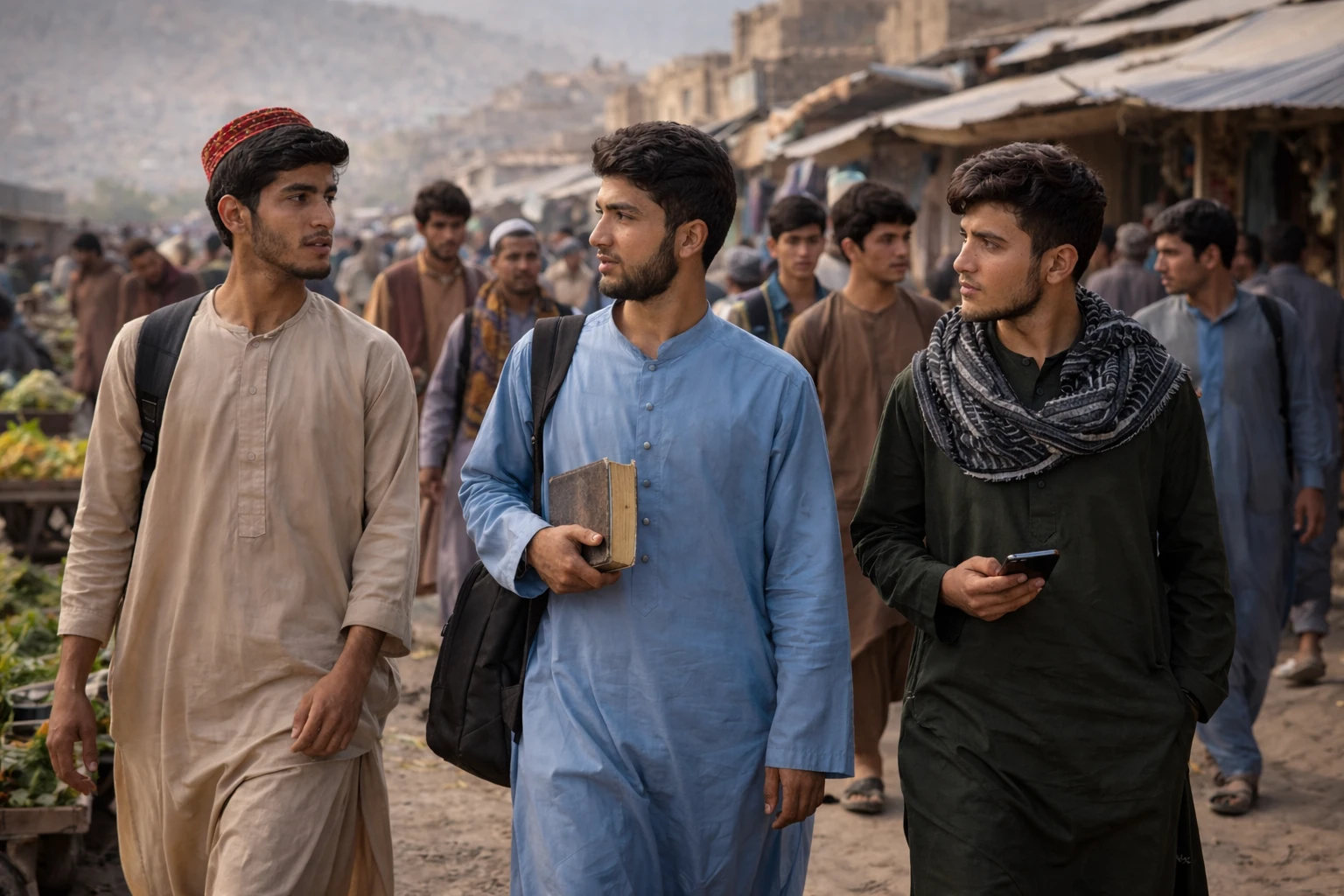
For most young people, daily life revolves around family responsibilities, informal work, and social interaction within close circles. Many youths spend their days helping at home, working in small local jobs, or searching for opportunities.
Daily routines are often repetitive, with few chances for long-term planning or personal advancement.
Education and Learning Opportunities
Access to education for young people is uneven. Some attend schools or informal learning centers depending on location, while others are unable to continue their studies.
Many young people turn to:
- Self-learning at home
- Online resources (when accessible)
- Informal skills training
- Family-based education
Interrupted education has become a common experience for this generation.
Work and Economic Pressure
Finding stable work is one of the biggest challenges for young Afghans. Formal employment opportunities are limited, especially for first-time workers.
Young people often work in:
- Street vending
- Small shops
- Manual labor
- Family businesses
Economic pressure pushes many youths to contribute financially at an early age.
Social Life and Friendships
Social life is usually limited to close friends, relatives, and neighbors. Public entertainment options are few, so young people often socialize through:
- Home gatherings
- Local community spaces
- Sports and informal games
- Online communication (where available)
Friendships play an important role in emotional support and coping.
Urban and Rural Differences
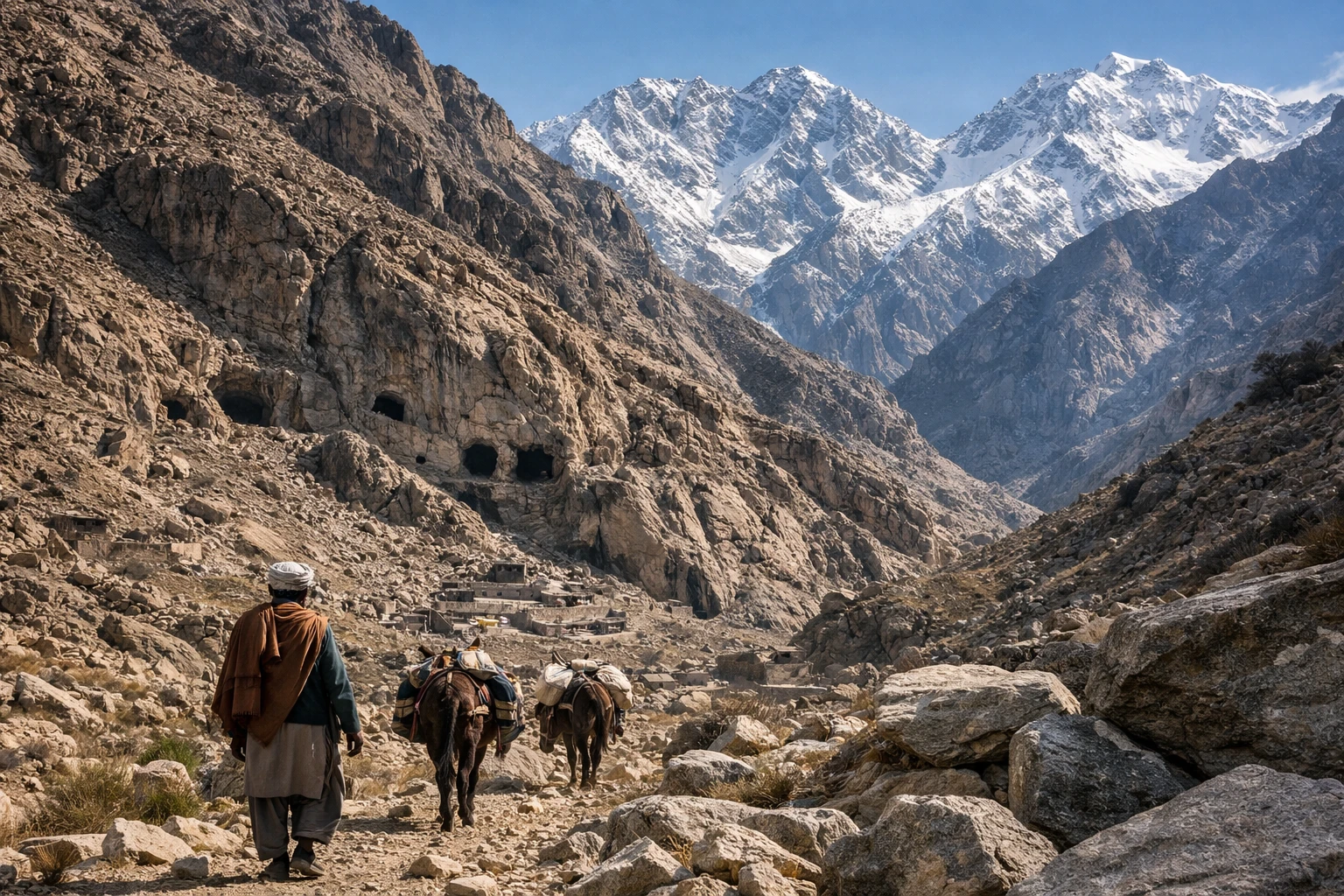
Young people in cities may have more exposure to information, technology, and social networks, while those in rural areas often focus on farming or family labor.
Despite these differences, limited opportunity is a shared challenge across both settings.
Mental and Emotional Challenges
Uncertainty about the future affects many young people. Common concerns include:
- Lack of career paths
- Financial instability
- Limited personal freedom
- Pressure from family responsibilities
These factors influence motivation, confidence, and long-term outlook.
Resilience and Adaptation
Despite challenges, young Afghans show resilience. Many adapt by learning practical skills, supporting their families, and finding purpose through community involvement.
Hope for a better future remains important, even when options are limited.
Aspirations and Hopes
Young people often express hopes for:
- Education
- Stable employment
- Safety and normalcy
- The ability to support their families
These aspirations reflect a desire for stability rather than luxury.
Conclusion
Young people in Afghanistan today live with uncertainty, responsibility, and limited opportunity. Their daily lives are shaped by economic pressure, restricted education, and strong family ties. Despite these challenges, many young Afghans continue to adapt, support their communities, and hold onto hopes for a more stable future.





No Comments