Afghanistan’s situation is often described in simple terms, but the reality is complex. Some areas show signs of stability, while others continue to face serious challenges. This article looks at daily life, the economy, security, and social conditions to explain whether Afghanistan is improving or declining today.
Afghanistan’s Current Situation
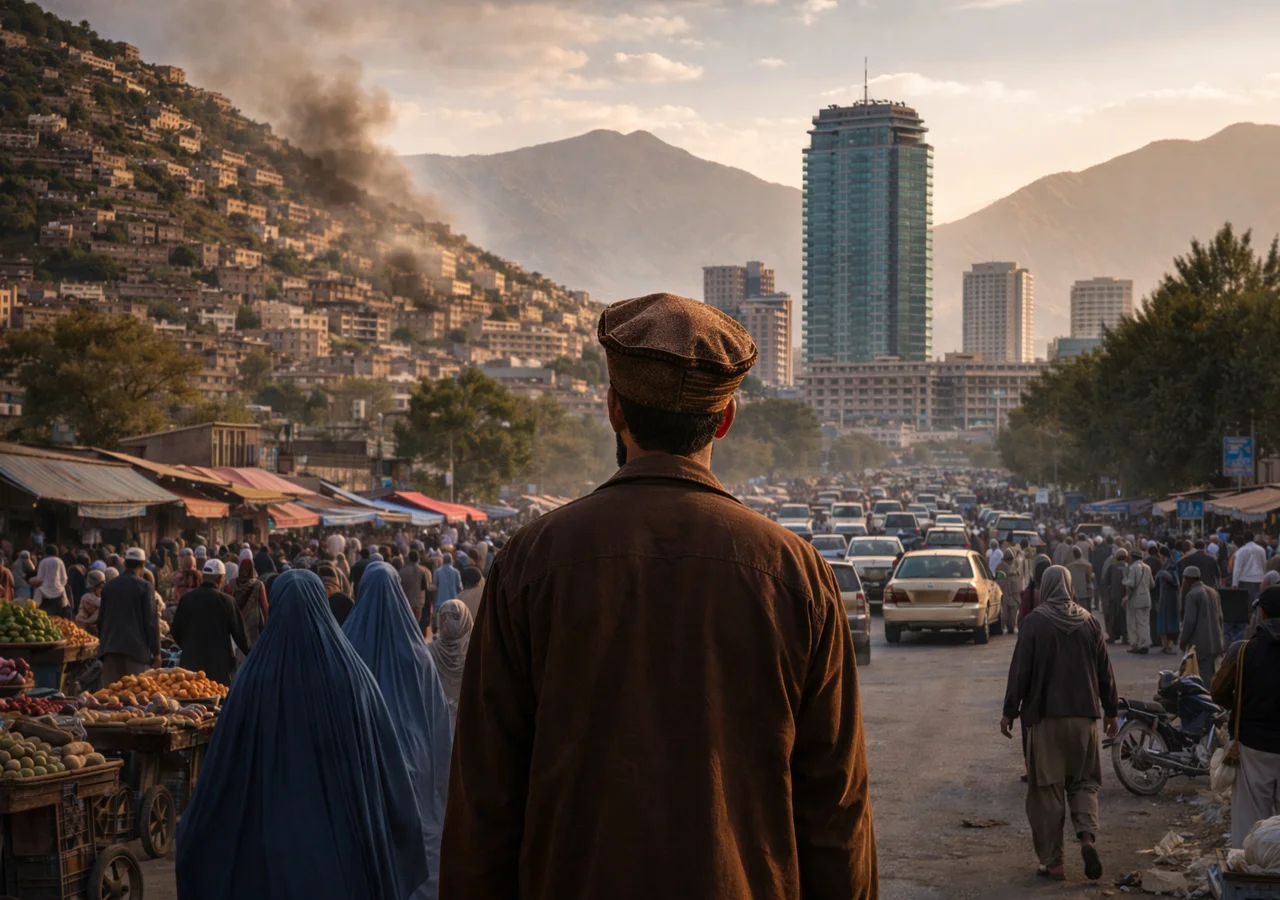
Afghanistan today is very different from how it was a few years ago. Large-scale fighting has decreased, but many economic and social problems remain. Progress and decline exist at the same time, depending on the sector and region.
Security and Public Order
Reduced Armed Conflict
Open warfare and frequent bombings have decreased in many cities and highways. This has improved travel safety and reduced civilian casualties in some areas.
Ongoing Local Risks
Despite fewer large attacks, security concerns still exist. Local disputes, unexploded ordnance, and fear of future instability affect daily life, especially in rural areas.
Economic Conditions
Economic Stability Challenges
The Afghan economy remains weak. Many people struggle with unemployment, low income, and rising living costs. International isolation has limited trade and investment.
Small Signs of Economic Activity
Local markets, small businesses, and cross-border trade have slowly resumed in some regions. These activities help families survive but do not yet show strong economic recovery.
Humanitarian and Living Conditions
Poverty and Aid Dependence
Millions of Afghans rely on humanitarian assistance for food, health care, and basic needs. Poverty levels remain high, especially among women, children, and displaced families.
Access to Basic Services
Health services function in many areas, but with limited resources. Education continues for boys in most regions, while access for girls varies depending on location and policy changes.
Social and Human Rights Environment
Restrictions and Social Pressure
Social rules have become stricter, especially for women. Limits on work, education, and public participation affect half of the population and reduce long-term development potential.
Despite restrictions, Afghan communities show strong resilience. Families support each other, local charities operate quietly, and informal networks help people cope with daily difficulties.
International Relations and Isolation
Afghanistan remains largely isolated from the global financial system. Limited diplomatic engagement and frozen assets make recovery difficult. However, humanitarian cooperation with international organizations continues.
So, Is Afghanistan Getting Better or Worse?
The answer depends on perspective. Security has improved in some ways, but economic hardship, social restrictions, and humanitarian needs remain severe. Afghanistan is not clearly getting better or worse overall; it is experiencing a fragile and uneven reality.
Closing Perspective
Afghanistan today is in a state of uncertainty rather than clear progress or collapse. Stability without economic growth and social inclusion cannot last long. The country’s future depends on economic recovery, human rights conditions, and re-engagement with the international community.



No Comments