Traveling to Afghanistan is possible, but it comes with specific risks that visitors should clearly understand before making a decision. These risks are not always related to violence but are often connected to regulations, infrastructure, cultural rules, and limited services. Knowing these risks helps travelers prepare realistically rather than rely on assumptions.
Understanding Risk vs Reality
The idea of risk in Afghanistan is often misunderstood. While large-scale conflict is not present in most populated areas, travel risks still exist due to strict rules, limited freedom of movement, and a controlled environment.
Risk today is more administrative and situational than chaotic or random.
Travel Restrictions and Regulations
One of the main risks for travelers is unintentionally breaking local rules. These may include:
- Entering restricted areas
- Traveling without proper coordination
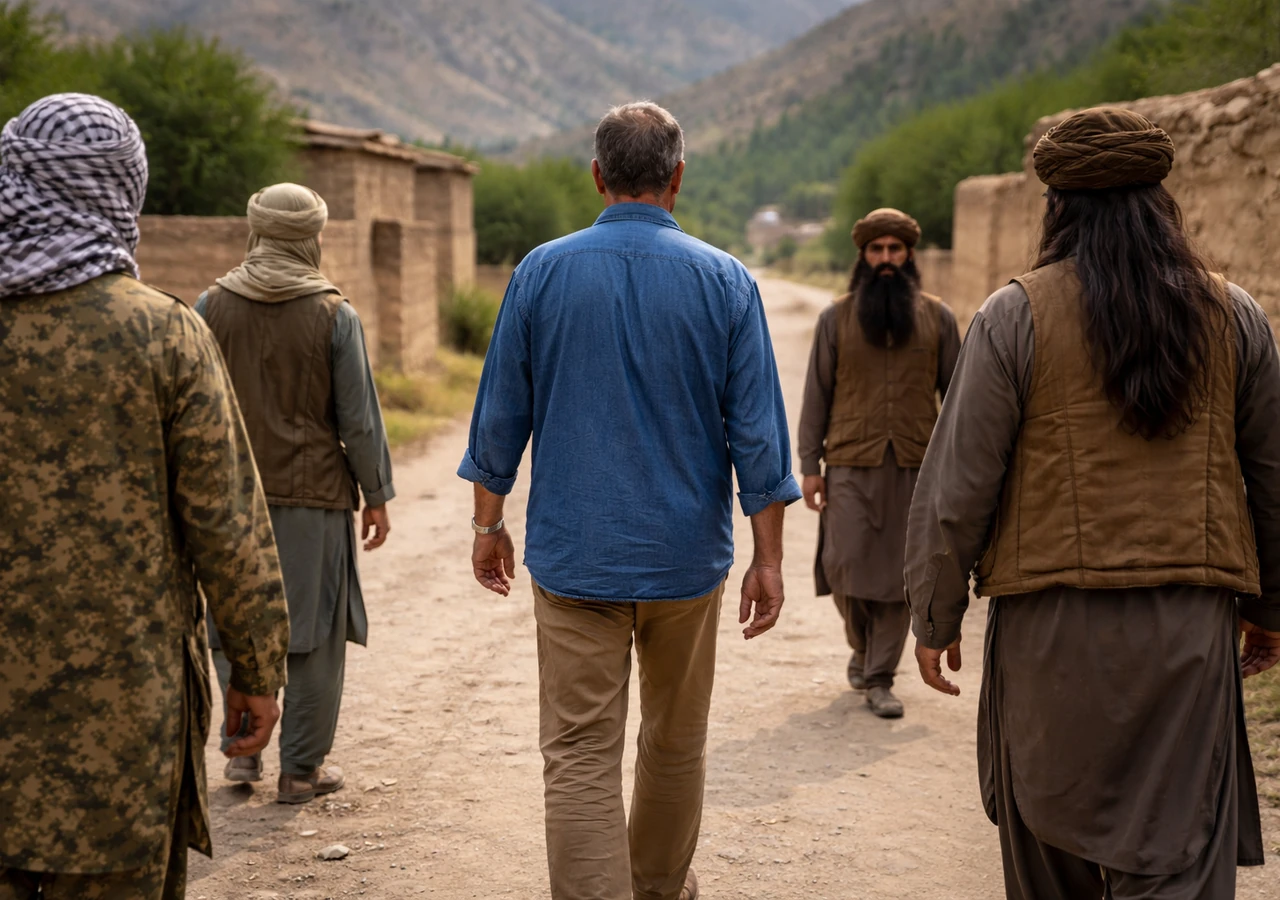
- Ignoring local guidance
Violating regulations can lead to questioning, delays, or restrictions on movement.
Photography is a sensitive issue. Risks include:
- Taking photos of government buildings
- Photographing checkpoints or security personnel
- Filming without permission
These actions can cause serious problems even if unintentional.
Cultural and Social Risks
Afghanistan is a conservative society, and cultural misunderstandings can create difficulties.
Key cultural risks include:
- Inappropriate clothing
- Public behavior that draws attention
- Ignoring gender norms
Women who do not follow local dress expectations may face restrictions or unwanted attention.
Limited Emergency and Medical Services
Access to emergency services can be limited, especially outside major cities. Risks include:
- Fewer hospitals with advanced care
- Long travel times for medical help
- Limited availability of specialized treatment
Travelers must be self-prepared for health-related issues.
Transportation and Infrastructure Risks
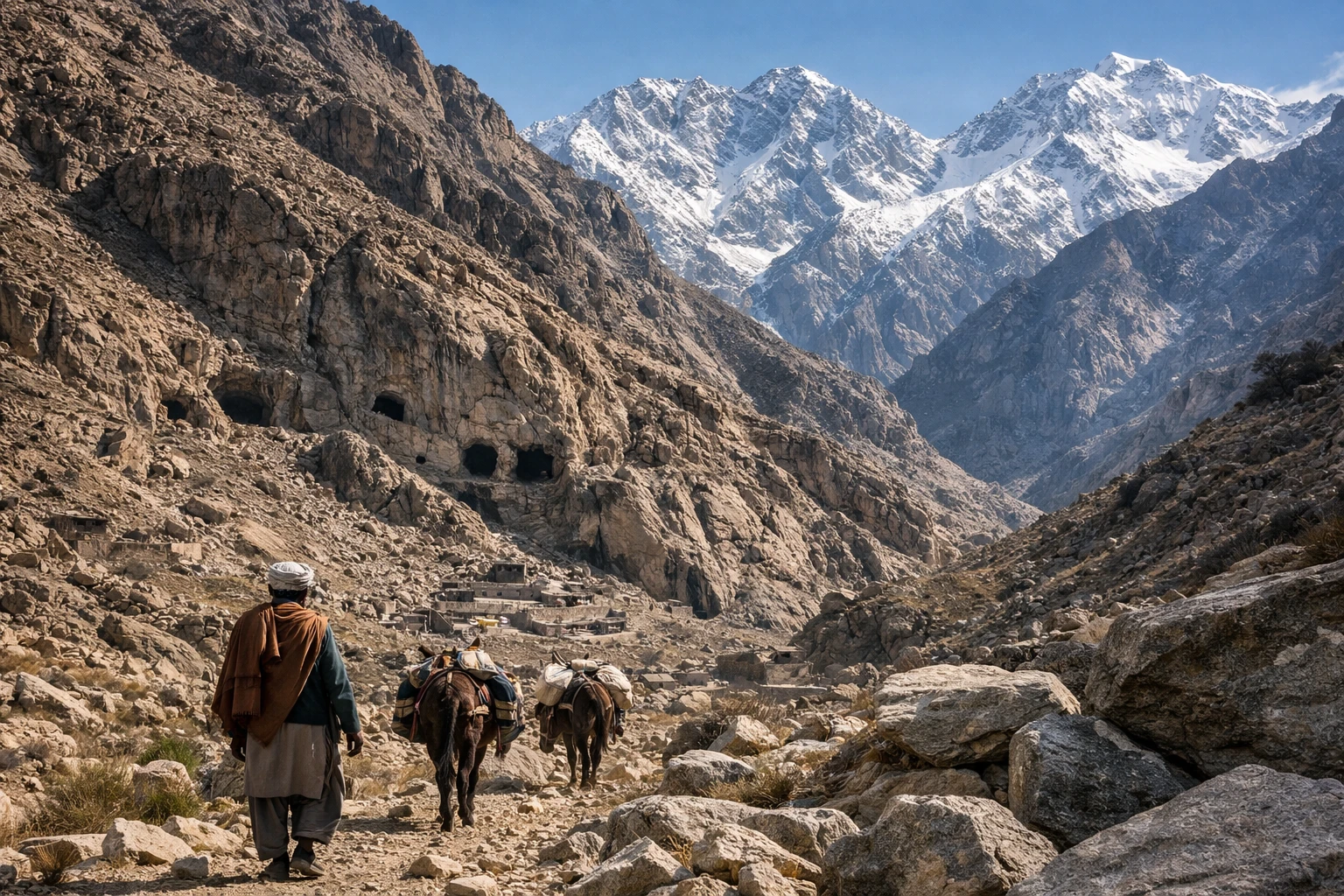
Road conditions vary widely. Some risks include:
- Poor road quality in certain areas
- Long travel times
- Limited public transportation options
Travel at night or in remote areas increases risk.
Communication Challenges
Internet access and mobile coverage are not always reliable. Communication risks include:
- Difficulty contacting embassies
- Limited access to real-time information
- Language barriers
Having local contacts reduces these risks significantly.
Legal and Administrative Uncertainty
Rules and procedures may change without public notice. Travelers may face:
- Sudden changes in permissions
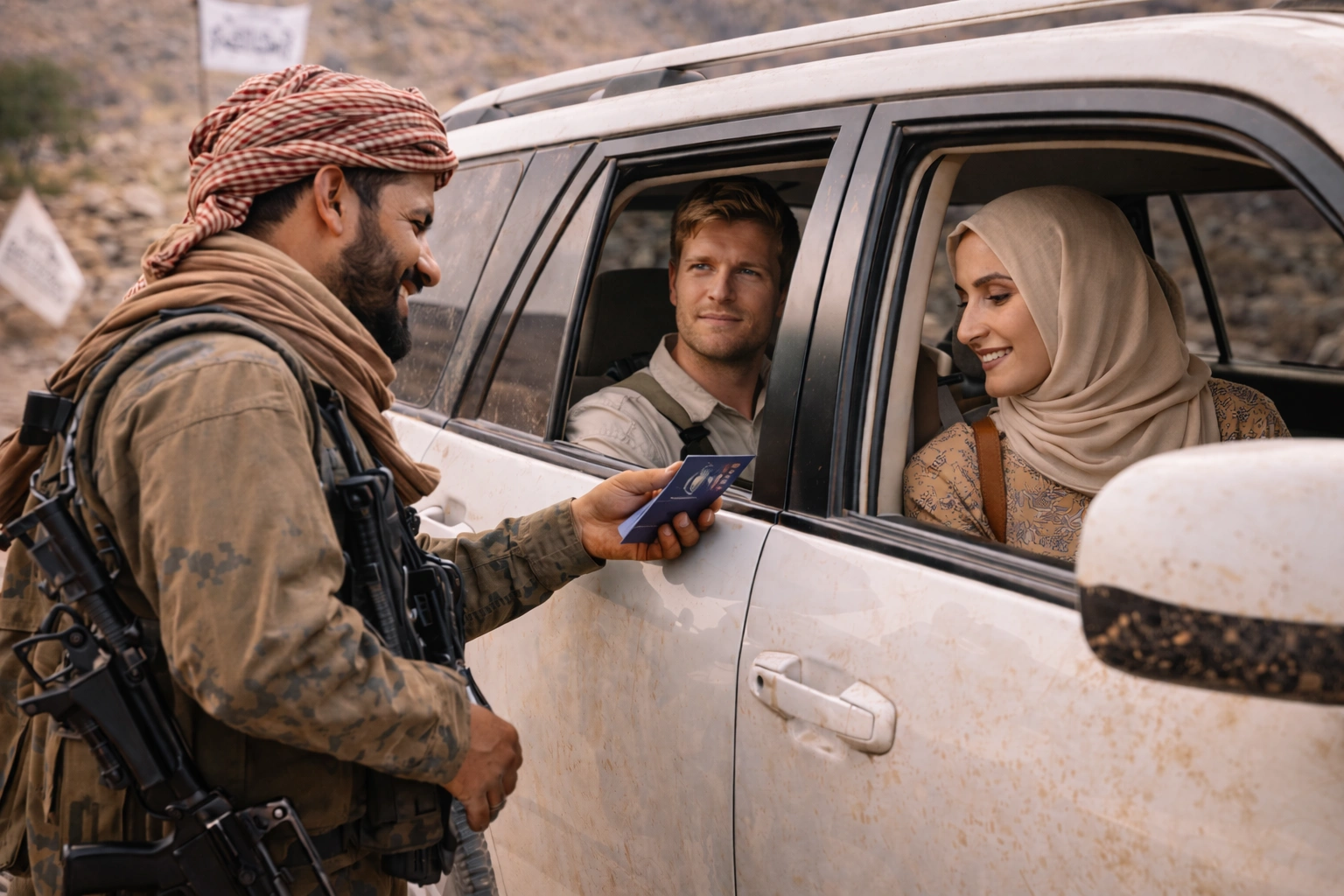
- Unexpected checkpoints
- Delays due to administrative decisions
Flexibility and patience are essential.
Psychological and Social Pressure
Travelers may experience stress due to:
- Constant awareness of rules
- Cultural adjustment
- Limited personal freedom
This is often overlooked but affects overall travel experience.
Final Notes
The risks of traveling to Afghanistan today are mainly linked to regulations, cultural expectations, infrastructure limits, and administrative uncertainty—not widespread violence. Travelers who understand and respect local rules, dress appropriately, plan carefully, and rely on local guidance can reduce many risks. Awareness and preparation are far more important than fear.





No Comments