Many people outside the country hold simplified or outdated views about Afghanistan. These misunderstandings are shaped by decades of conflict-focused media coverage and limited exposure to everyday realities. While Afghanistan faces serious economic and social challenges, common assumptions often fail to reflect current conditions or the diversity of Afghan society.
Understanding what is often misunderstood helps create a more accurate and balanced view.
Afghanistan Is Always at War
One of the most common misconceptions is that Afghanistan is in a constant state of war. Large-scale nationwide fighting has significantly decreased, and security conditions have improved compared to previous decades. Daily life in many areas now continues without active conflict.
This does not mean the country is free of problems, but the image of continuous warfare no longer reflects reality.
Life Is the Same Everywhere in the Country
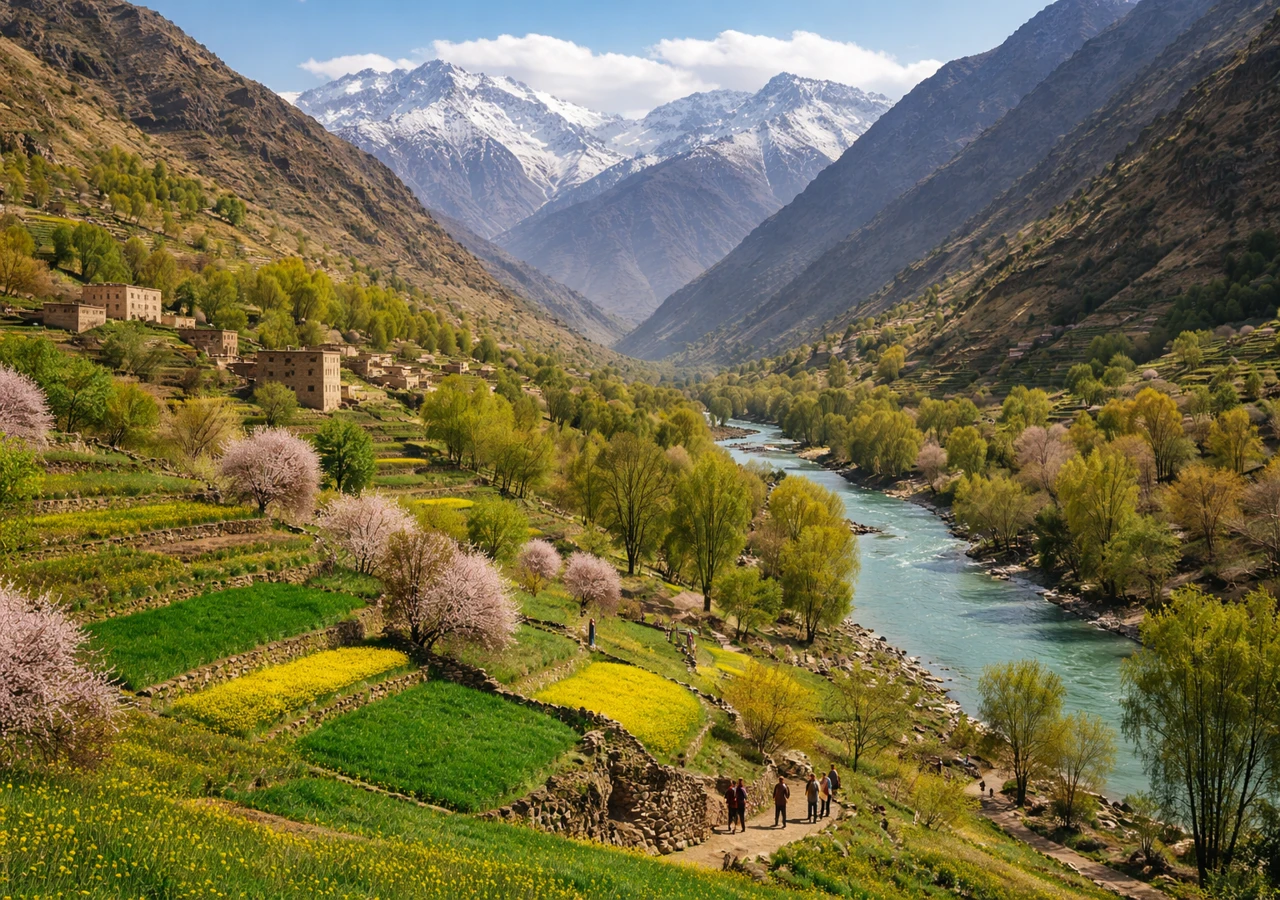
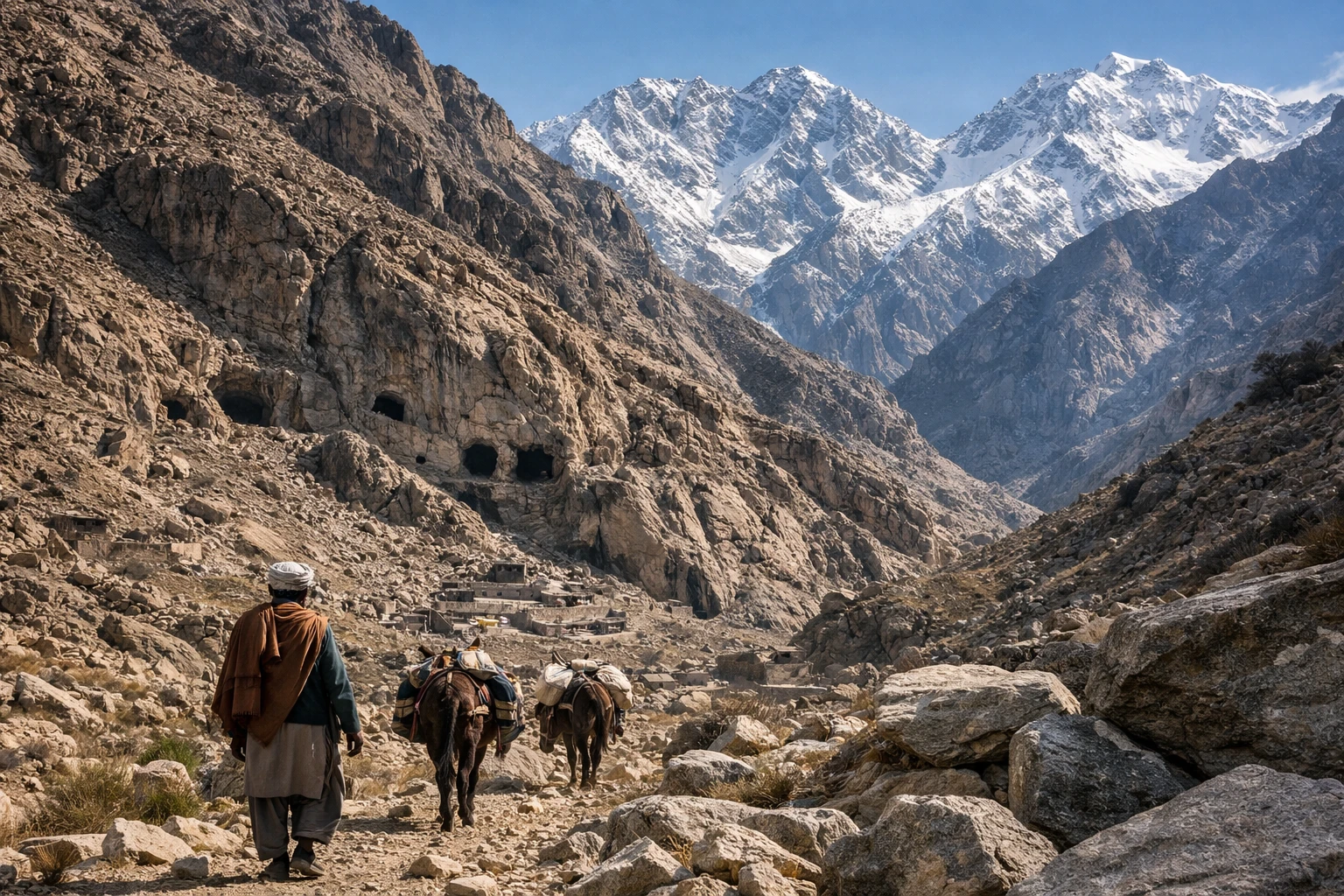
Afghanistan is often treated as a single, uniform place, but conditions vary widely between cities, towns, and rural areas. Access to services, employment opportunities, and education differs significantly by region.
Cultural practices, economic activity, and daily routines also change from one province to another.
Afghans Are Only Defined by Conflict
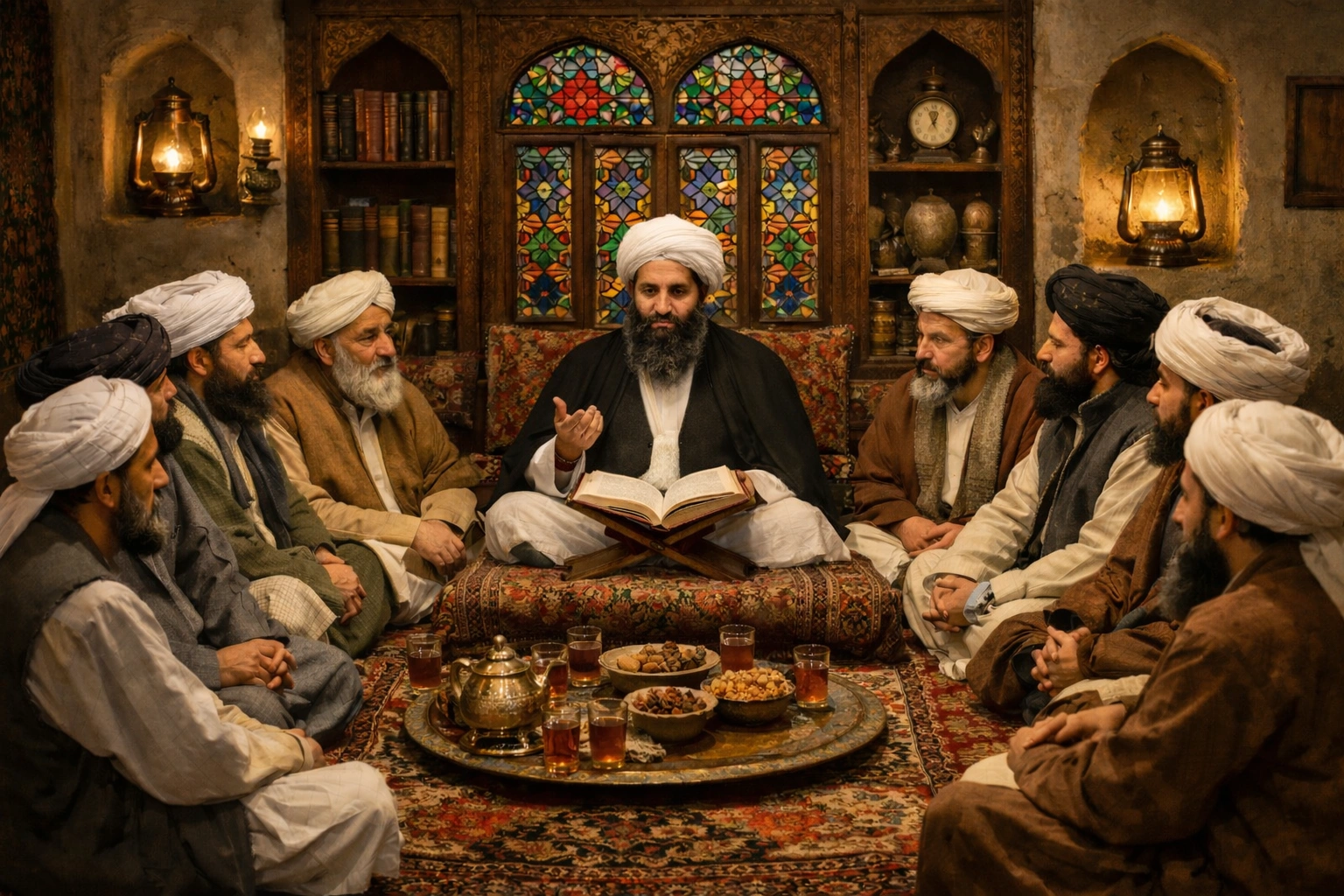
Another common mistake is viewing Afghans only as victims of war. Afghan society is shaped by strong family structures, local traditions, entrepreneurship, and resilience. Millions of people focus on work, education, trade, and community life despite difficult conditions.
Conflict is only one part of a much broader social reality.
The Economy Has Completely Collapsed
While Afghanistan faces serious economic hardship, informal markets, agriculture, and small businesses continue to function. Many households rely on local trade, remittances, and daily labor to survive.
Economic activity is constrained, but it has not disappeared.
All News from Afghanistan Is Political
International reporting often emphasizes political decisions and diplomatic developments, creating the impression that everything in Afghanistan revolves around politics. In reality, most people are concerned with practical issues such as employment, prices, healthcare, and education.
Everyday life receives far less international attention than political headlines.
Afghanistan Is Isolated from the World
Although formal diplomatic engagement is limited, Afghanistan remains connected to regional trade, humanitarian networks, and global discussions. Aid organizations, traders, and neighboring countries maintain ongoing interaction with the country.
Isolation is partial, not absolute.
Final Notes
What most people get wrong about Afghanistan is the belief that the country can be explained by a single narrative. Afghanistan today is shaped by improved security, strict governance, economic difficulty, and strong social continuity. A more accurate understanding requires looking beyond headlines and recognizing the complexity of everyday life across the country.



No Comments