Russia’s decision to formally recognize Afghanistan’s current rulers marks a significant development in the country’s diplomatic situation. For more than three years, Afghanistan has remained largely isolated on the international stage. Russia’s move raises important questions about whether this recognition could change Afghanistan’s global standing or remain an isolated political step.
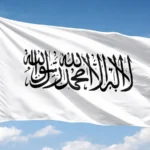
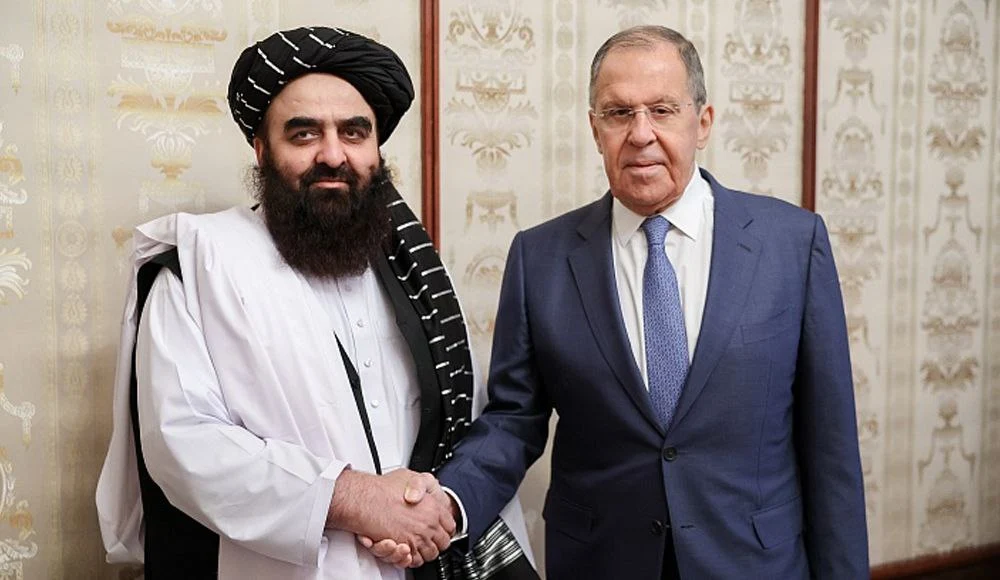
Russia announced that it has accepted the credentials of Afghanistan’s new ambassador, a step that officially confirms diplomatic recognition. By doing so, Russia became the first country to formally recognize the government that returned to power in Kabul in 2021.
In an official statement, Russia’s foreign ministry said it believes recognition of the Islamic Emirate of Afghanistan will accelerate constructive bilateral cooperation across various sectors. This recognition goes beyond informal engagement and represents a clear legal and political position by Moscow.
How Other Countries Have Responded
While some countries have allowed representatives linked to the Taliban to manage parts of Afghan embassies abroad, none had formally recognized the government before Russia. These arrangements were mostly practical measures to handle consular issues rather than full diplomatic acceptance.
Since August 2021, Afghanistan has remained without formal recognition from the international community, despite ongoing contacts with regional and global powers. Russia’s step therefore breaks a long-standing diplomatic deadlock, even if only partially.
Russia’s Gradual Policy Shift Toward Afghanistan
Russia’s recognition did not happen suddenly. In late 2024, the Russian parliament approved a legal change that allowed for the removal of the Taliban from Russia’s list of banned terrorist organizations. This legal groundwork made formal recognition possible.
Since then, Russia has steadily expanded its engagement with Afghanistan, focusing on security dialogue, regional stability, and economic cooperation. Recognition can be seen as the culmination of this gradual policy shift.
Impact on Afghanistan’s International Status
Russia’s recognition improves Afghanistan’s diplomatic position in one important way: it ends the country’s complete lack of formal recognition. However, this does not automatically translate into broad international legitimacy.
Key limitations remain:
- Most Western countries continue to refuse recognition
- International sanctions and restrictions remain in place
- Afghanistan’s access to global financial systems is still limited
As a result, Afghanistan’s international status has changed symbolically but not structurally.
The Role of Human Rights in Global Recognition
Western diplomats have repeatedly stated that recognition of Afghanistan’s government is unlikely as long as restrictions on women’s rights remain in place. Issues related to education, employment, and public participation continue to block broader acceptance.
This means Russia’s recognition may encourage some regional actors to reconsider their positions, but it does not remove the main political barriers that prevent wider international recognition.
Broader Regional Implications
Russia’s decision may influence how other countries in the region engage with Afghanistan. Some governments may expand diplomatic or economic ties without formally recognizing the government, while others may wait to see whether Russia’s move brings tangible stability or cooperation benefits.
For Afghanistan, this creates new diplomatic space but also highlights the divide between regional pragmatism and Western political conditions.
Closing Assessment
Russia’s recognition of Afghanistan marks a historic shift after years of diplomatic isolation. While it improves Afghanistan’s symbolic international standing and opens doors for bilateral cooperation with Moscow, it does not yet change the country’s broader global status. Full international recognition remains closely tied to political conditions, human rights concerns, and long-term regional stability.



No Comments