The Soviet War in Afghanistan was a major conflict that lasted from 1979 to 1989 and had long-lasting effects on Afghanistan, the region, and global politics. The war involved foreign military intervention, widespread resistance, and heavy civilian impact. It reshaped Afghan society, weakened state institutions, and contributed to decades of instability that followed.
Understanding this war requires examining its causes, course, and consequences.
Background and Causes of the War
Before the war, Afghanistan experienced political instability and internal power struggles. A new government aligned with socialist ideology took control and introduced rapid reforms that faced strong opposition, especially in rural and religious communities.
As unrest grew and the government weakened, the Soviet Union decided to intervene militarily to support the ruling authorities and protect its regional interests.
Soviet Military Intervention
In late 1979, Soviet forces entered Afghanistan and quickly took control of major cities and strategic locations. A new leadership was installed, and large numbers of troops were deployed across the country.
The intervention marked the beginning of a prolonged conflict rather than a short stabilization mission.
Afghan Resistance and Guerrilla Warfare
Armed resistance emerged quickly across Afghanistan. Local fighters organized along regional, tribal, and religious lines and relied on guerrilla tactics rather than conventional warfare.
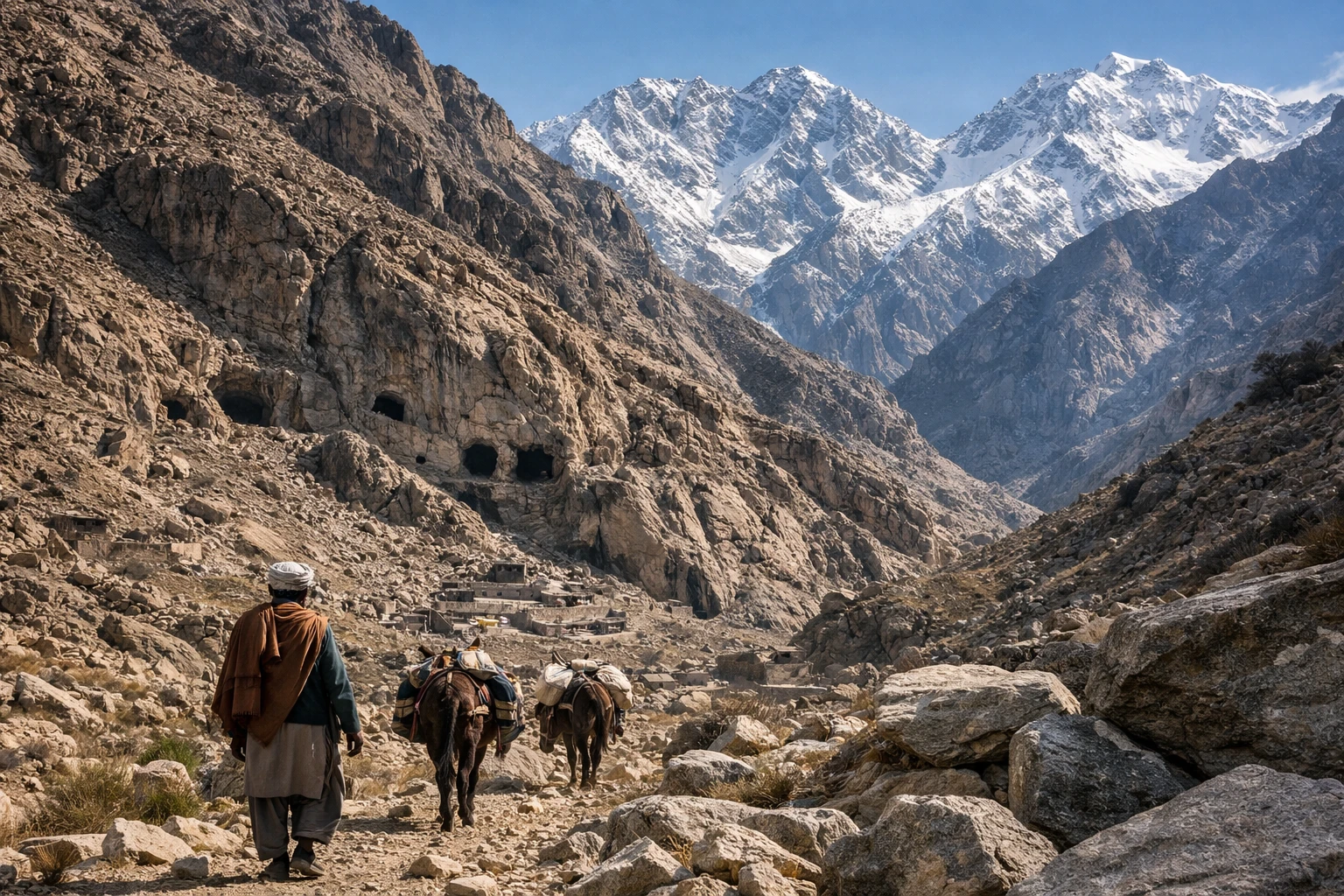
These groups used Afghanistan’s mountainous terrain to their advantage, making it difficult for Soviet forces to control rural areas.
Role of the Population and Civilian Impact
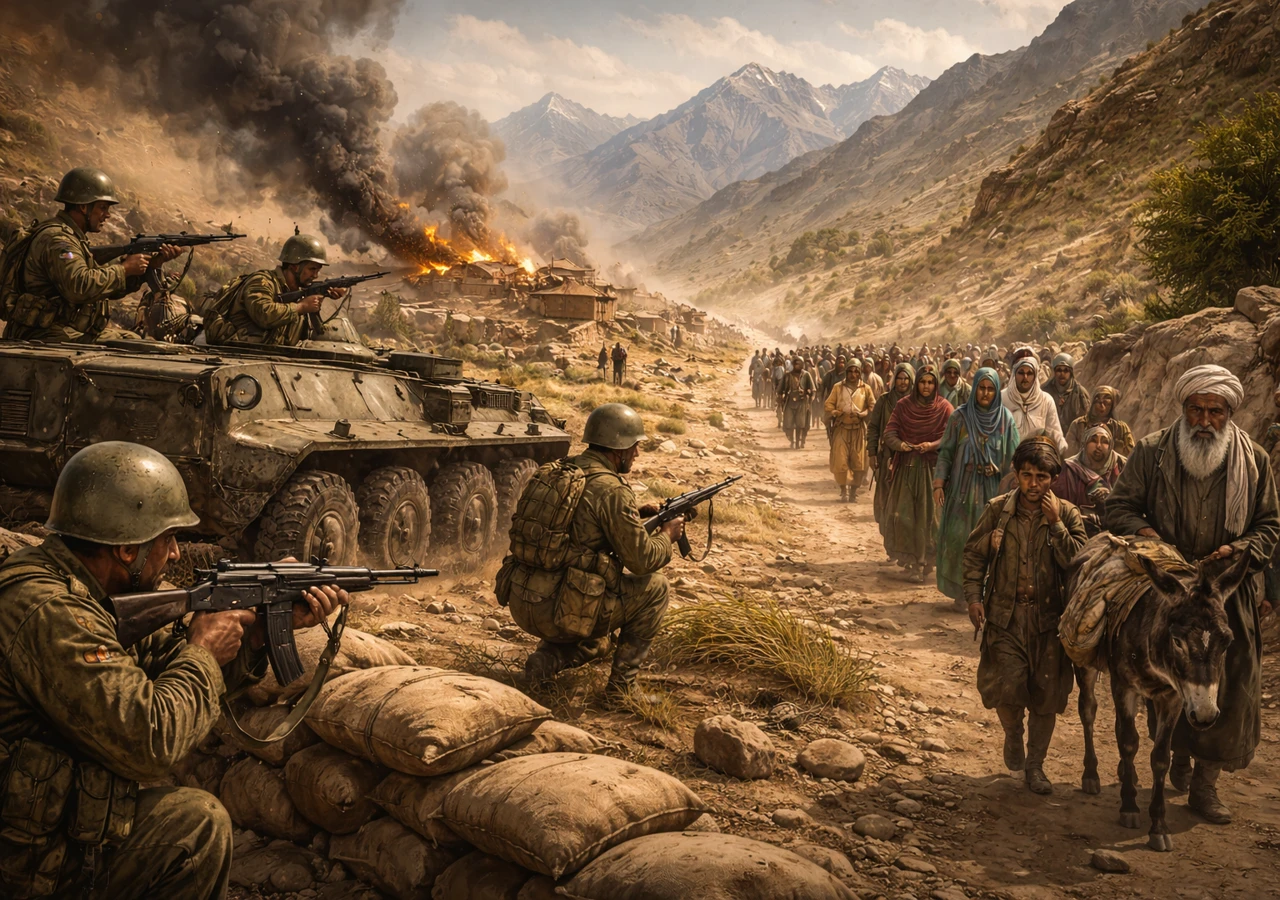
Civilians were heavily affected by the war. Fighting, airstrikes, displacement, and destruction of villages caused widespread suffering.
Millions of Afghans fled to neighboring countries, creating one of the largest refugee crises of the time.
International Involvement
The conflict became part of a wider global rivalry. Various external actors supported different sides, turning Afghanistan into a battlefield influenced by global power competition.
This international dimension prolonged the conflict and increased its intensity.
Military Stalemate and Soviet Withdrawal
Despite superior equipment and manpower, Soviet forces struggled to defeat the resistance. Control outside major cities remained limited, and costs continued to rise.
In 1989, Soviet troops withdrew after failing to achieve lasting military or political stability.
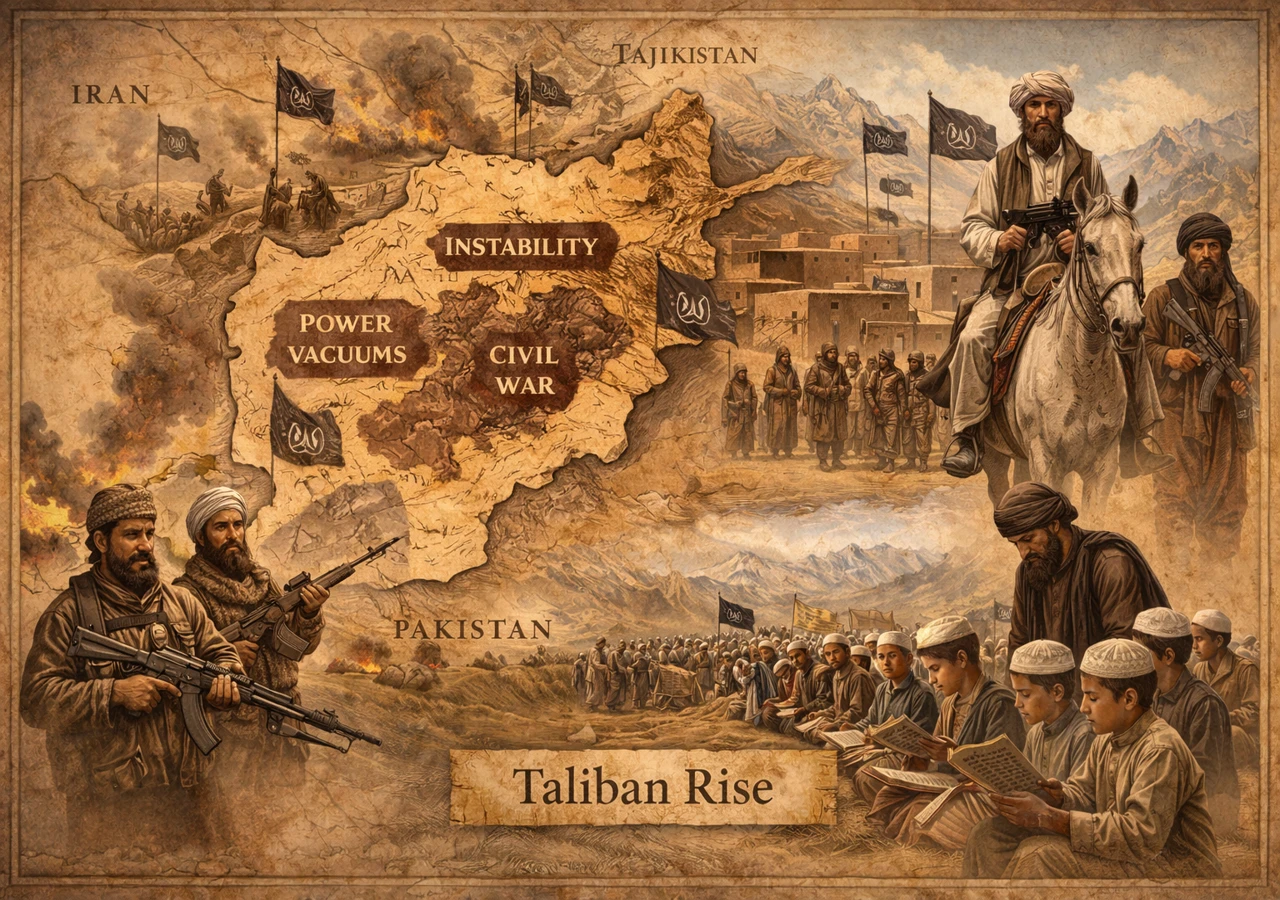
The withdrawal did not bring peace. The Afghan government weakened further, and fighting between rival groups intensified.
Institutions were fragile, weapons were widespread, and social trust was deeply damaged.
Long-Term Consequences
The war left deep scars on Afghan society. Infrastructure was destroyed, education and healthcare systems collapsed, and economic development was set back by decades.
The conflict also contributed to future wars and political instability that continued long after the Soviet withdrawal.
Final Notes
The Soviet War in Afghanistan was a turning point in the country’s modern history. What began as foreign intervention became a prolonged and destructive conflict with severe human and social costs. Its legacy shaped Afghanistan’s political instability, regional dynamics, and societal challenges for decades afterward.



No Comments