Afghanistan is known for its deep historical roots, strategic geography, rich cultural traditions, and complex modern realities. For centuries, the country has been a crossroads of civilizations linking Central Asia, South Asia, and the Middle East. Today, Afghanistan remains widely discussed for its history, culture, natural resources, and the challenges shaping daily life under improved security but strict social and economic restrictions.
Geography and Strategic Location
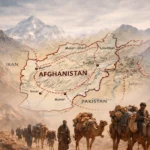
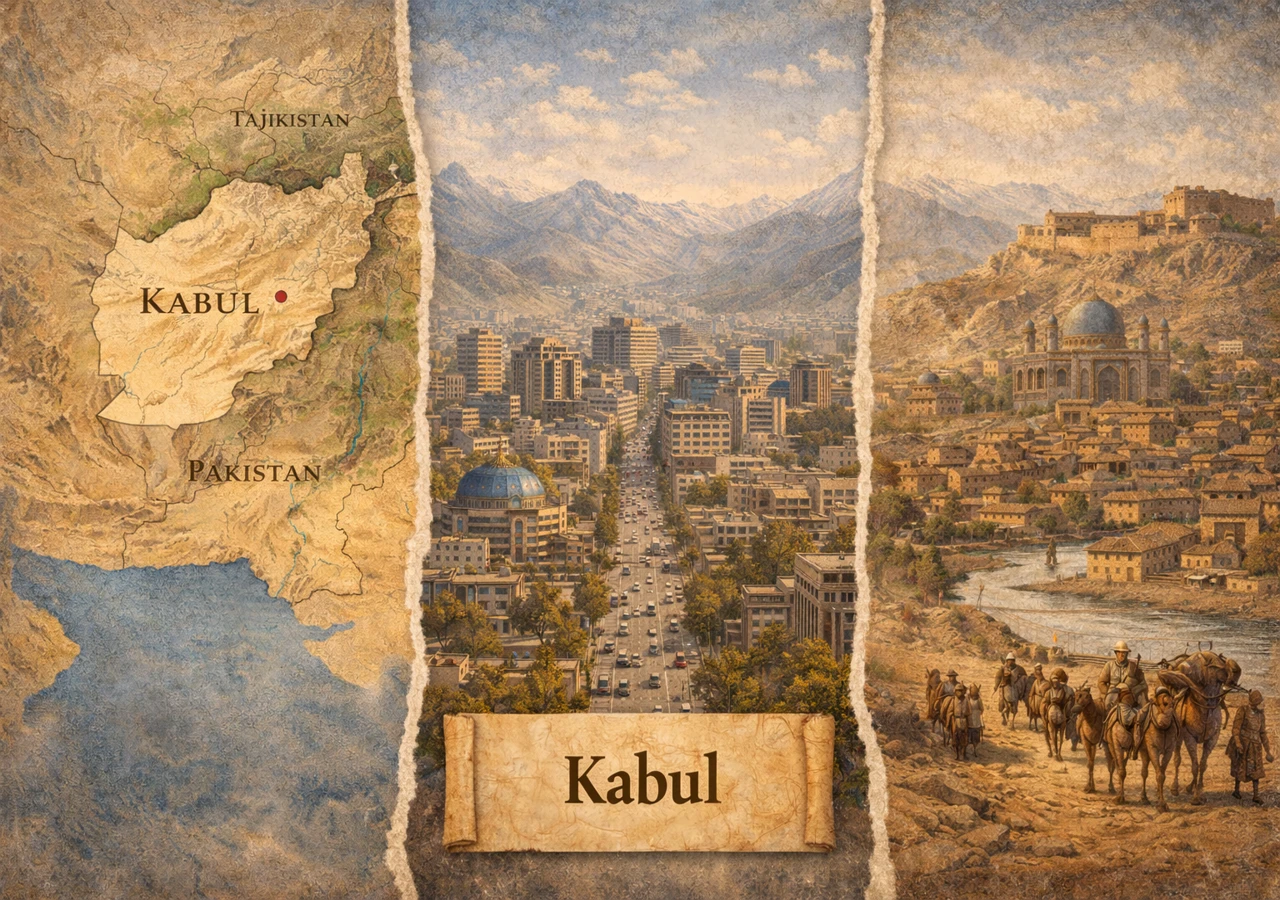
Afghanistan occupies a highly strategic position at the intersection of major regions. It borders Central Asia to the north, South Asia to the east, and the Middle East to the west.
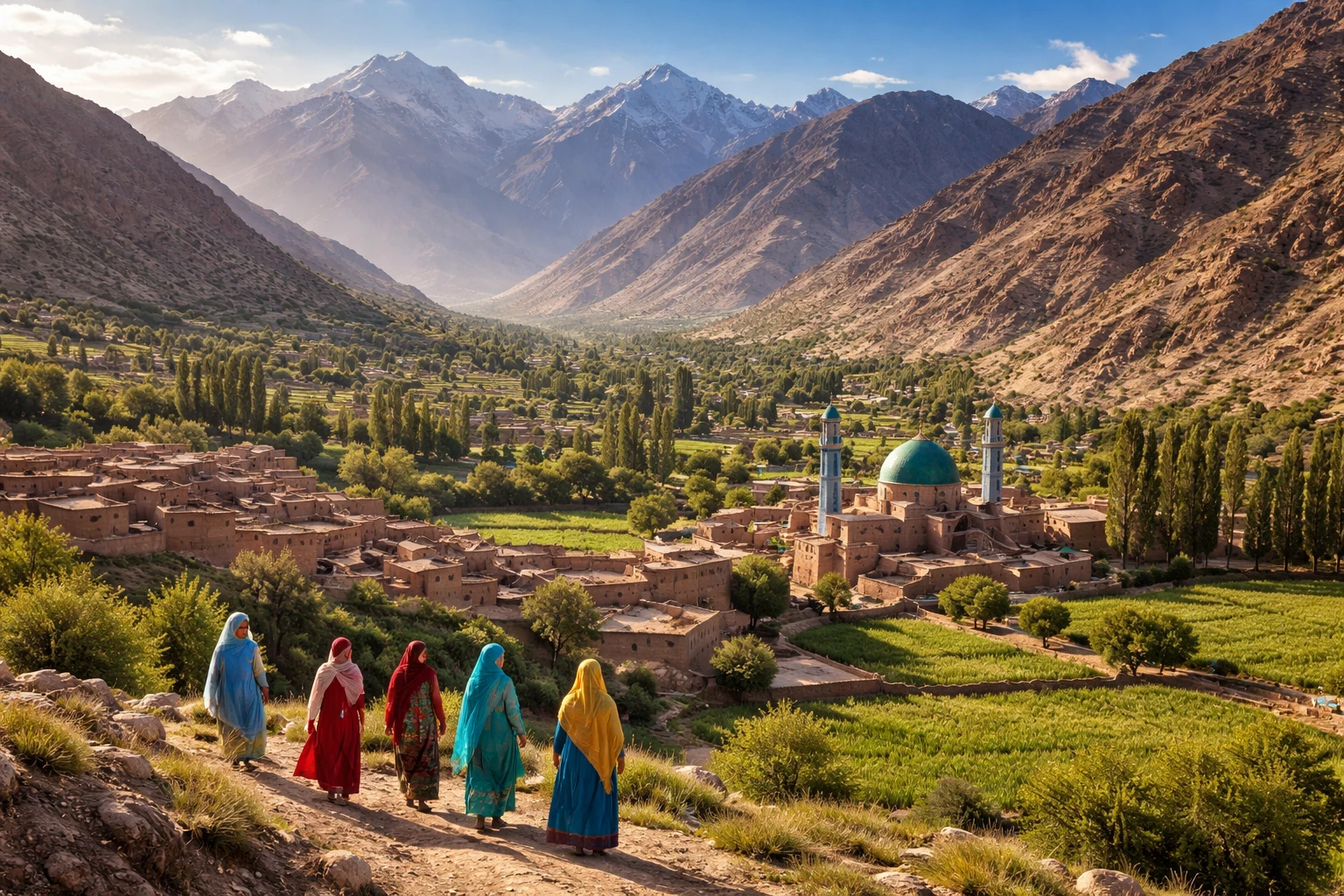
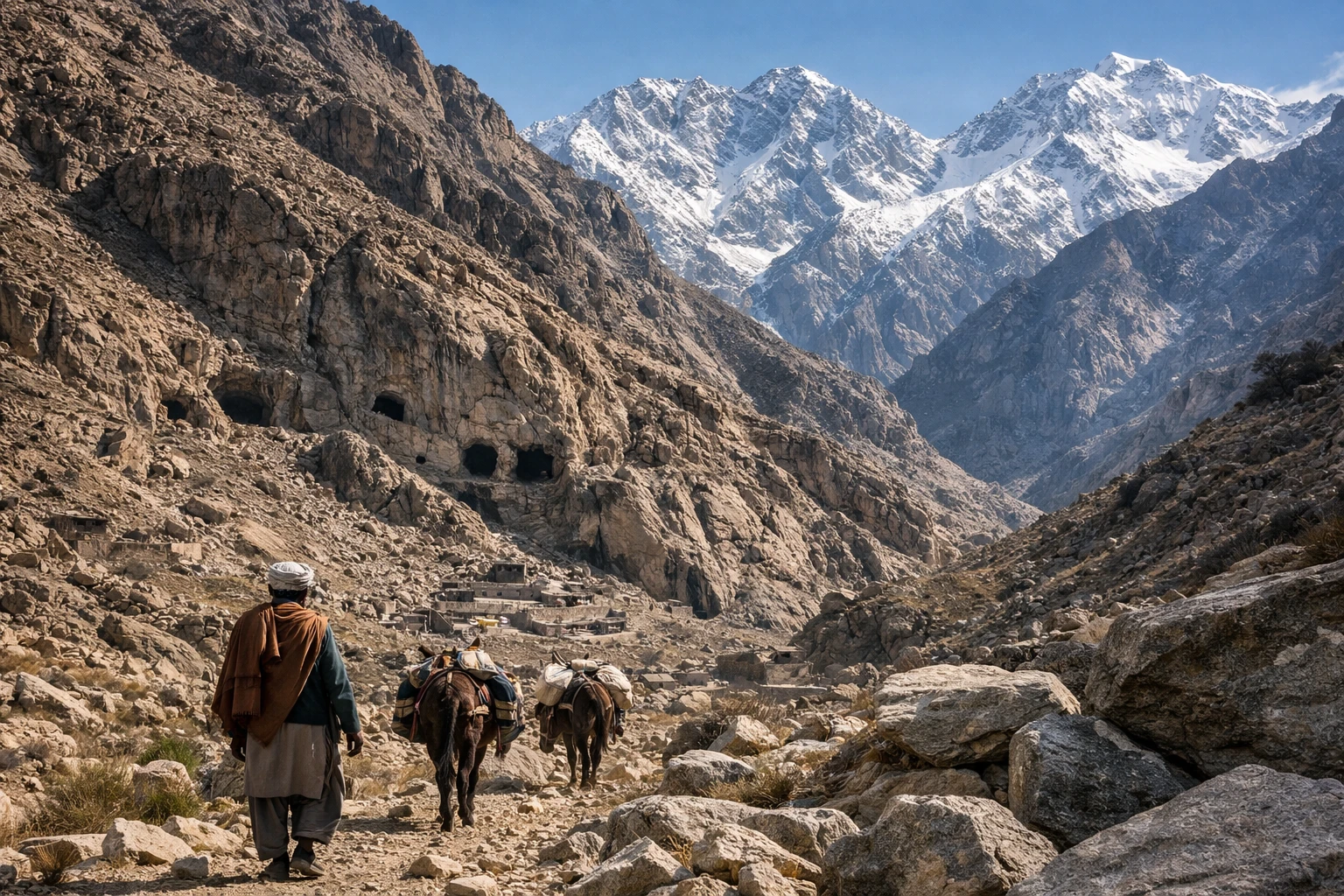
Mountain ranges such as the Hindu Kush dominate the landscape, shaping climate, transportation, and settlement patterns. This geography historically made Afghanistan a key transit route for trade, armies, and cultural exchange.
Ancient Civilizations and History
Afghanistan is known for hosting some of Asia’s oldest civilizations. It was part of ancient empires including the Achaemenids, Greco-Bactrians, Kushans, and later Islamic caliphates.
Cities such as Balkh and Herat were major centers of learning, trade, and art. The country’s long history explains why Afghanistan contains cultural influences from Persian, Central Asian, South Asian, and Islamic traditions.
Cultural Diversity and Traditions
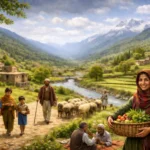
Afghanistan is known for its strong cultural identity rooted in family, community, and tradition. Despite ethnic and linguistic diversity, shared customs such as hospitality, respect for elders, and traditional clothing remain central to Afghan society.
Handwoven carpets, embroidery, calligraphy, poetry, and traditional music are internationally recognized cultural expressions originating from Afghanistan.
Natural Resources and Economic Potential
Afghanistan is known to possess significant untapped natural resources, including copper, iron ore, lithium, rare earth elements, and precious stones.
While these resources give Afghanistan long-term economic potential, development has been limited by sanctions, lack of international recognition, weak infrastructure, and restricted access to global markets.
Religion and Social Structure
Islam plays a central role in Afghan society and daily life. Religious values strongly influence laws, education, and social norms.
In recent years, security across much of the country has improved compared to previous decades, but this has been accompanied by strict social restrictions, especially affecting women’s education, employment, and public participation.
Conflict Legacy and Global Perception
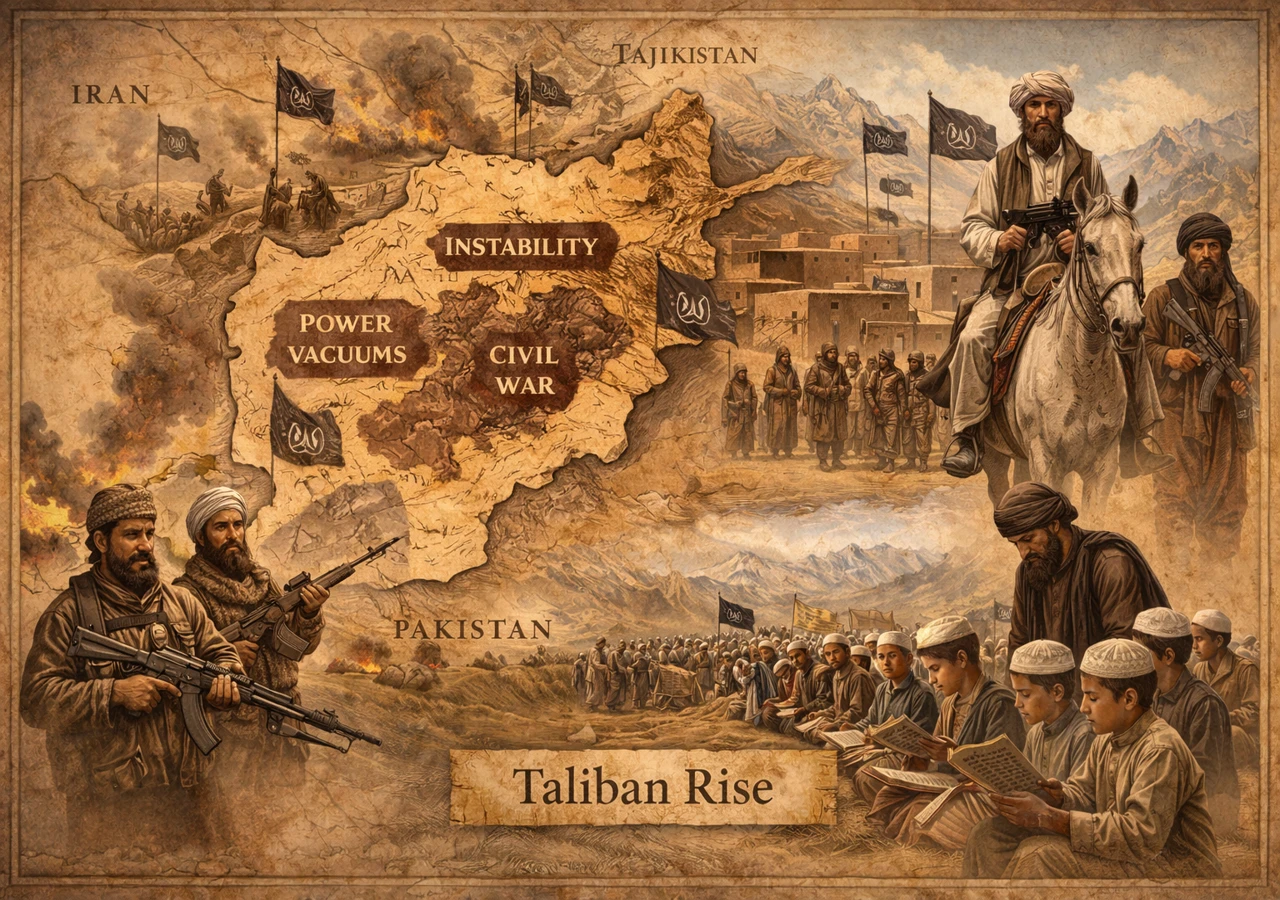
Afghanistan is widely known internationally due to decades of conflict involving foreign interventions, internal wars, and political instability.
This legacy has shaped global perceptions of the country, often overshadowing its cultural depth and historical significance. At the same time, many Afghans continue to prioritize stability, basic livelihoods, and survival under difficult economic conditions.
Afghan People and Resilience
Afghans are known for resilience in the face of prolonged hardship. Despite economic pressure, limited opportunities, and international isolation, communities rely heavily on family networks, local support systems, and traditional coping mechanisms.
This resilience is often cited by regional and international observers as one of Afghanistan’s defining characteristics.
Final Notes
Afghanistan is known not for a single feature, but for a combination of ancient history, cultural richness, strategic geography, natural resources, and enduring social resilience. While security has improved in recent years, strong restrictions and economic challenges continue to define everyday realities. Understanding Afghanistan requires looking beyond headlines and recognizing both its historical importance and its present-day complexities.



No Comments