Afghanistan is currently experiencing a complex mix of improved security, strict social restrictions, and serious economic and humanitarian challenges. While large-scale fighting has largely ended, daily life remains difficult for much of the population. This overview reflects insights commonly reported by Persian-language, Pashto-language, and regional sources, rewritten in a neutral and factual way.
Security Situation
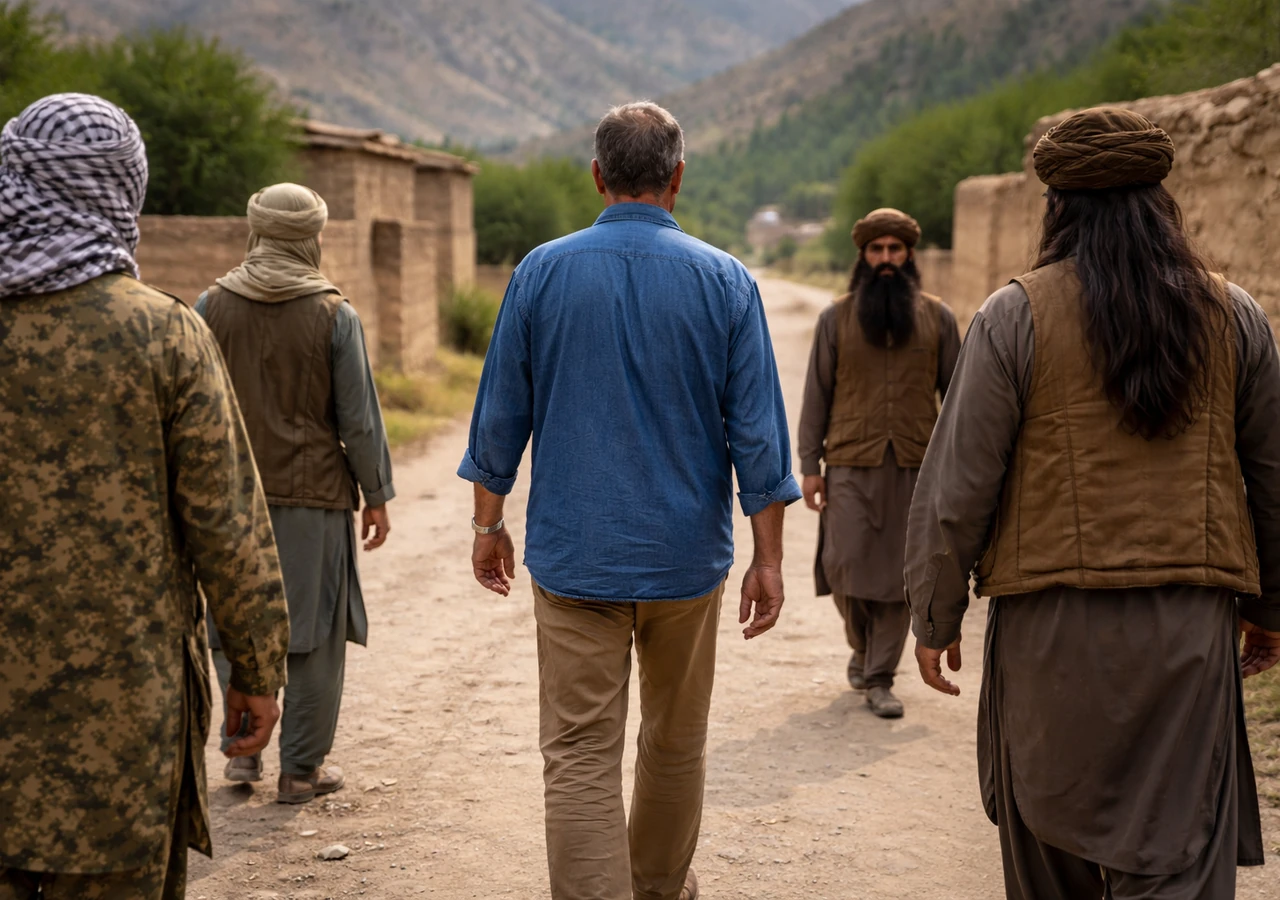
Compared to previous decades, overall security across most of Afghanistan has improved. Armed conflict has significantly decreased, major roads are generally safer, and large cities experience fewer violent incidents.
However, security is enforced through strict controls, checkpoints, and heavy regulation of public life. Stability exists, but it comes with limited personal freedoms and strong oversight by authorities.
Economic Conditions
Afghanistan’s economy remains under severe pressure. International sanctions, frozen assets, reduced foreign aid, and limited banking access continue to restrict economic activity.
Unemployment is widespread, household incomes are low, and many families depend on informal work or humanitarian assistance. Prices of basic goods fluctuate, and poverty affects both urban and rural areas.
Humanitarian Situation
Millions of Afghans face food insecurity and limited access to healthcare. Malnutrition, especially among children, is a serious concern. Droughts, floods, and harsh winters regularly worsen living conditions.
Humanitarian aid continues to play a critical role, but funding shortages and operational restrictions limit its reach in some areas.
Social Restrictions and Daily Life
Strict social rules shape everyday life. Women and girls face major limitations in education, employment, and public participation. Dress codes and behavioral rules are enforced, particularly in cities.
Men are also affected by regulations related to appearance, behavior, and movement. Public life is more controlled than in the past, and cultural expression is tightly regulated.
Access to education has changed significantly. While boys’ education continues at most levels, girls’ access is restricted beyond early schooling in many areas.
Media operates under strict guidelines. Local outlets continue to report on economic issues, social matters, and daily events, but with limited freedom and strong oversight.
Regional Relations and Borders
Afghanistan maintains active relations with neighboring countries, especially in trade and border management. Tensions occasionally arise over border security, migration, and regional militancy concerns.
At the same time, regional actors continue discussions focused on stability, humanitarian needs, and long-term economic cooperation.
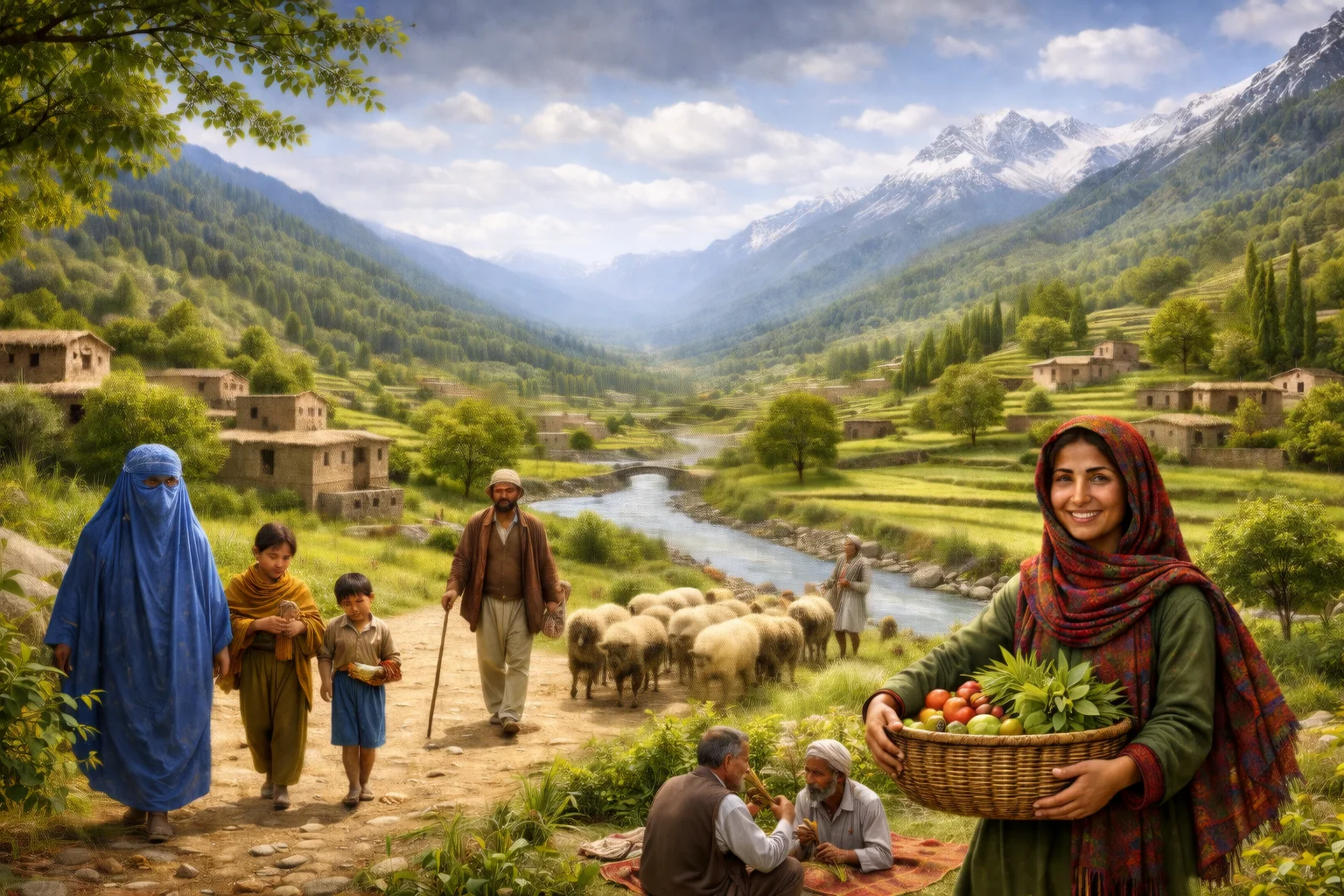
Life for Ordinary Afghans
For most people, daily life is centered on survival, family support, and adapting to restrictions. Communities rely heavily on local networks, charity, and traditional coping mechanisms.
While fear from large-scale war has decreased, uncertainty about the future remains high due to economic hardship and limited opportunities.
Final Notes
What is happening in Afghanistan right now is not defined by one single crisis, but by a combination of improved security, strict social controls, economic hardship, and ongoing humanitarian needs. Understanding the country today requires recognizing both the relative stability compared to the past and the serious limitations that continue to shape everyday life.



No Comments