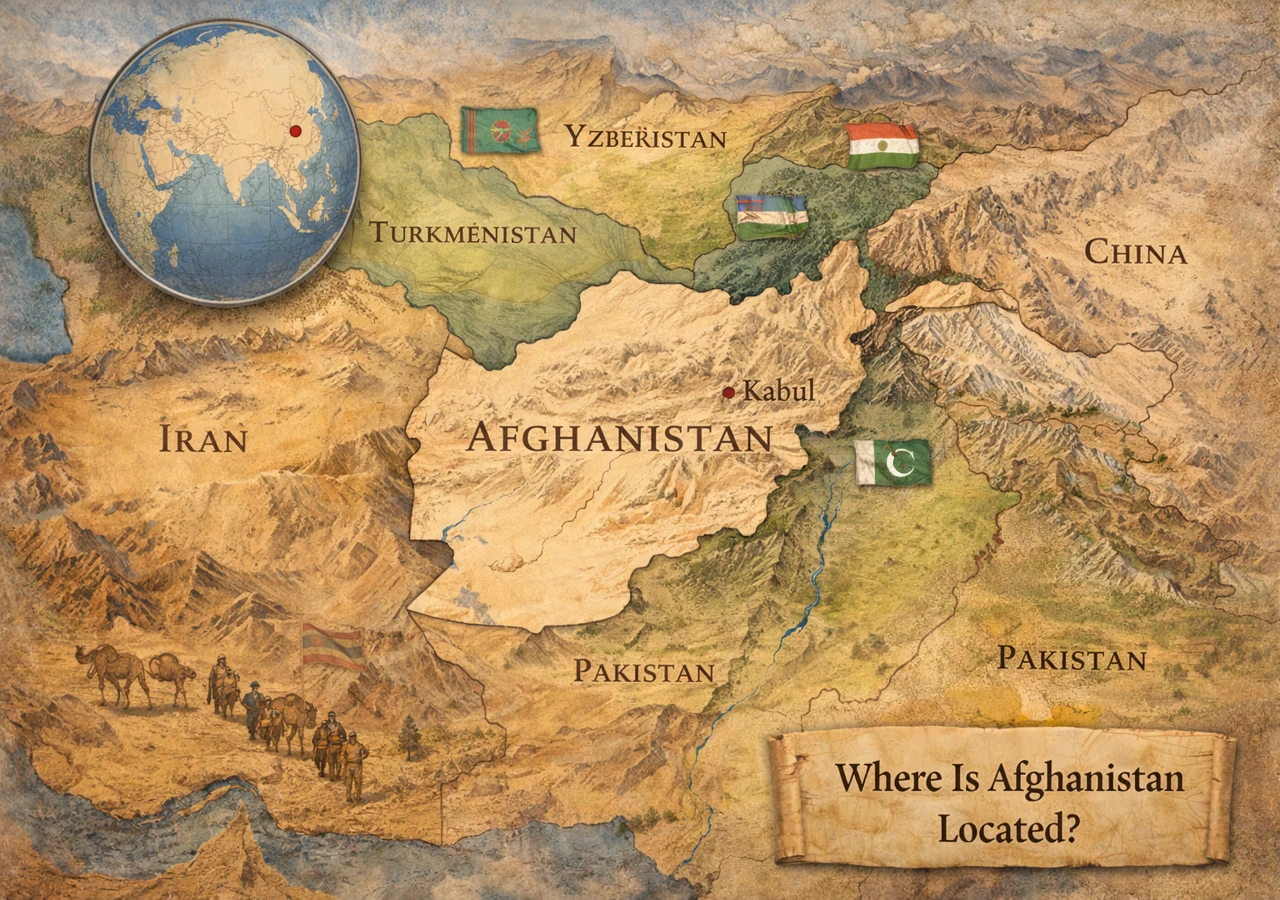
Afghanistan is a landlocked country located in the heart of Asia. Its position has shaped its history, culture, and relationship with neighboring regions for centuries. Afghanistan’s location places it at the crossroads of Central Asia, South Asia, and the Middle East, making it strategically and culturally significant.
Understanding where Afghanistan is located helps explain its role in regional trade, migration, and historical events.
Geographic Position in Asia
Afghanistan is situated in south-central Asia. It does not have access to the sea and is surrounded entirely by other countries. This landlocked position has influenced trade routes, economic development, and foreign relations throughout history.
The country lies between major Asian regions, connecting different cultures and civilizations.
Neighboring Countries
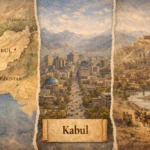
Afghanistan shares borders with several countries. To the east and south lies Pakistan. To the west is Iran. To the north are Turkmenistan, Uzbekistan, and Tajikistan. A short northeastern border connects Afghanistan with China.
These borders place Afghanistan at the meeting point of multiple political, cultural, and economic zones.
Regional Classification
Afghanistan is often described as part of Central Asia, South Asia, or the Middle East, depending on context. Culturally and historically, it has connections to all three regions.
This overlapping regional identity reflects Afghanistan’s diverse cultural influences and historical interactions.
Terrain and Physical Geography
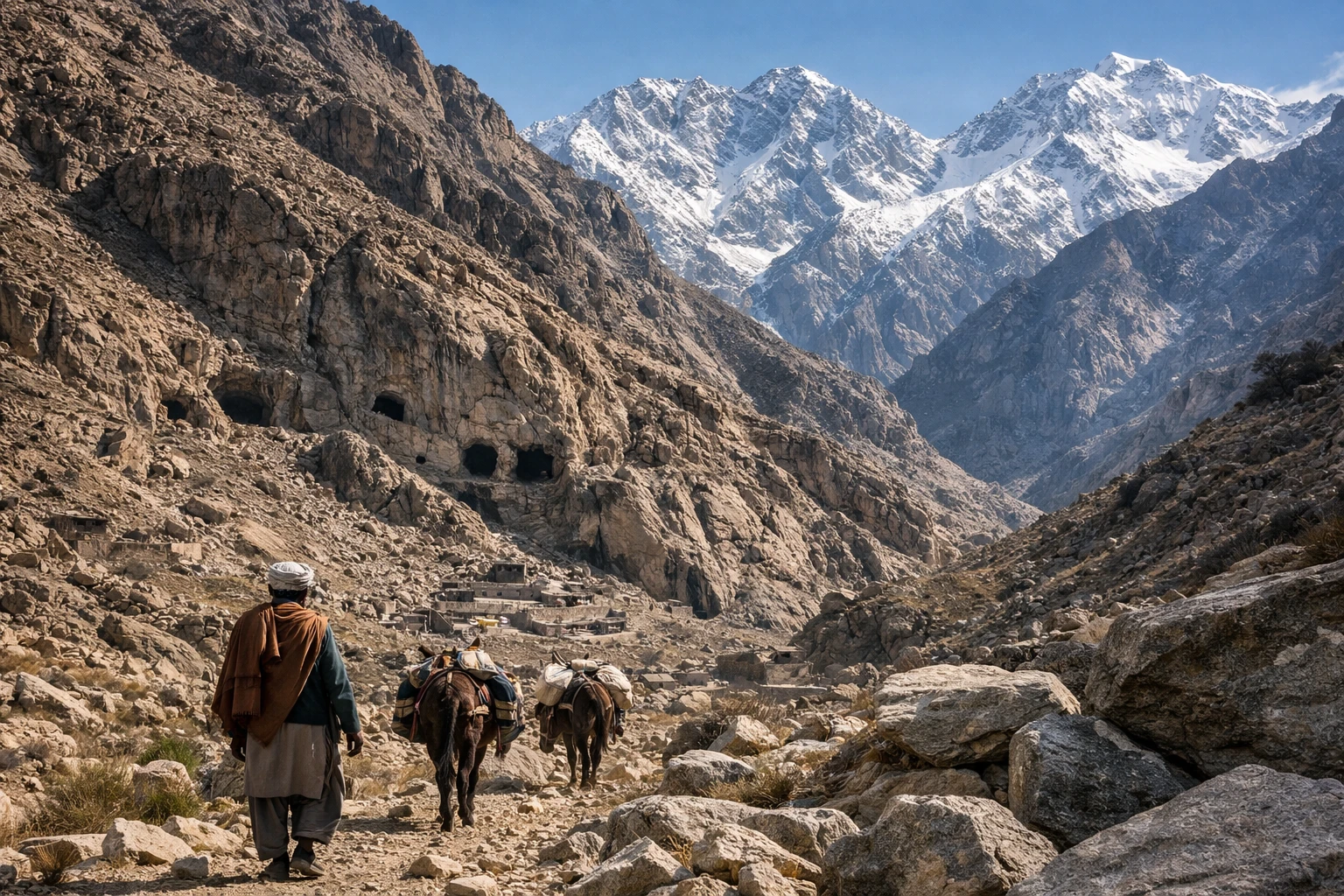
Afghanistan’s location includes a wide range of landscapes. Much of the country is mountainous, with high peaks and narrow valleys. There are also deserts, plains, and fertile river valleys.
The terrain has played a major role in settlement patterns, transportation, and defense.
Climate and Natural Environment
Afghanistan’s climate varies by region due to its location and terrain. Winters can be harsh in mountainous areas, while summers are hot and dry in lowland regions.
Limited water resources and seasonal weather patterns affect agriculture and daily life.
Strategic Importance of Location
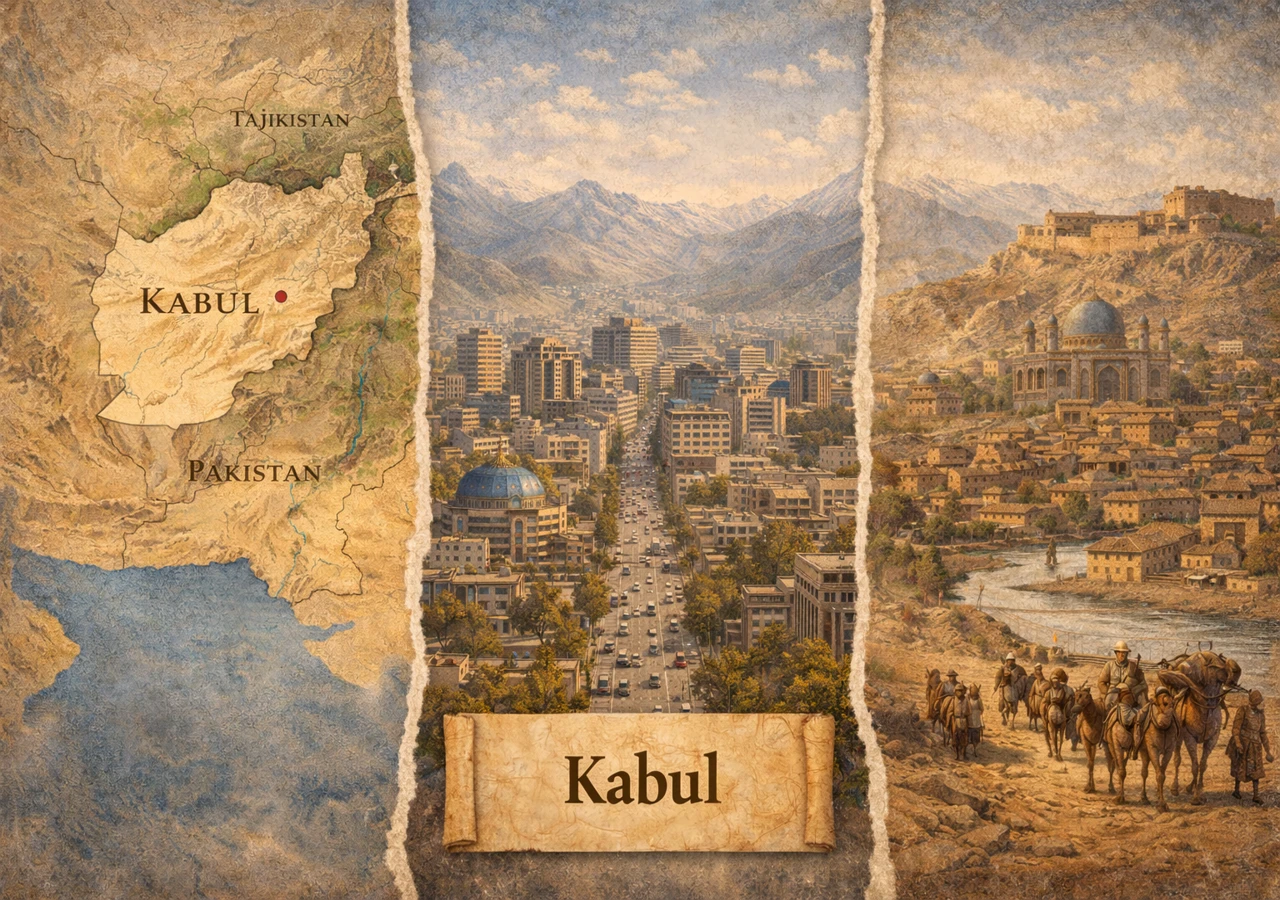
Because Afghanistan lies between major regions, it has historically served as a corridor for trade routes, including ancient caravan paths. This strategic position attracted merchants as well as invading forces.
Today, Afghanistan’s location continues to influence regional security and economic discussions.
Final Notes
Afghanistan is located in south-central Asia at the crossroads of Central Asia, South Asia, and the Middle East. Its landlocked position, shared borders with six countries, and varied terrain have shaped its history, culture, and regional importance. Understanding its location provides essential context for Afghanistan’s past and present.



No Comments