Kabul is the capital city of Afghanistan and one of the country’s most important political, cultural, and historical centers. Its location, long history, and role in governance have made it central to Afghanistan’s development for centuries. Kabul continues to influence national decision-making, trade, and social life.
Understanding where Kabul is located and why it matters helps explain its importance in Afghanistan’s past and present.
Geographic Location of Kabul
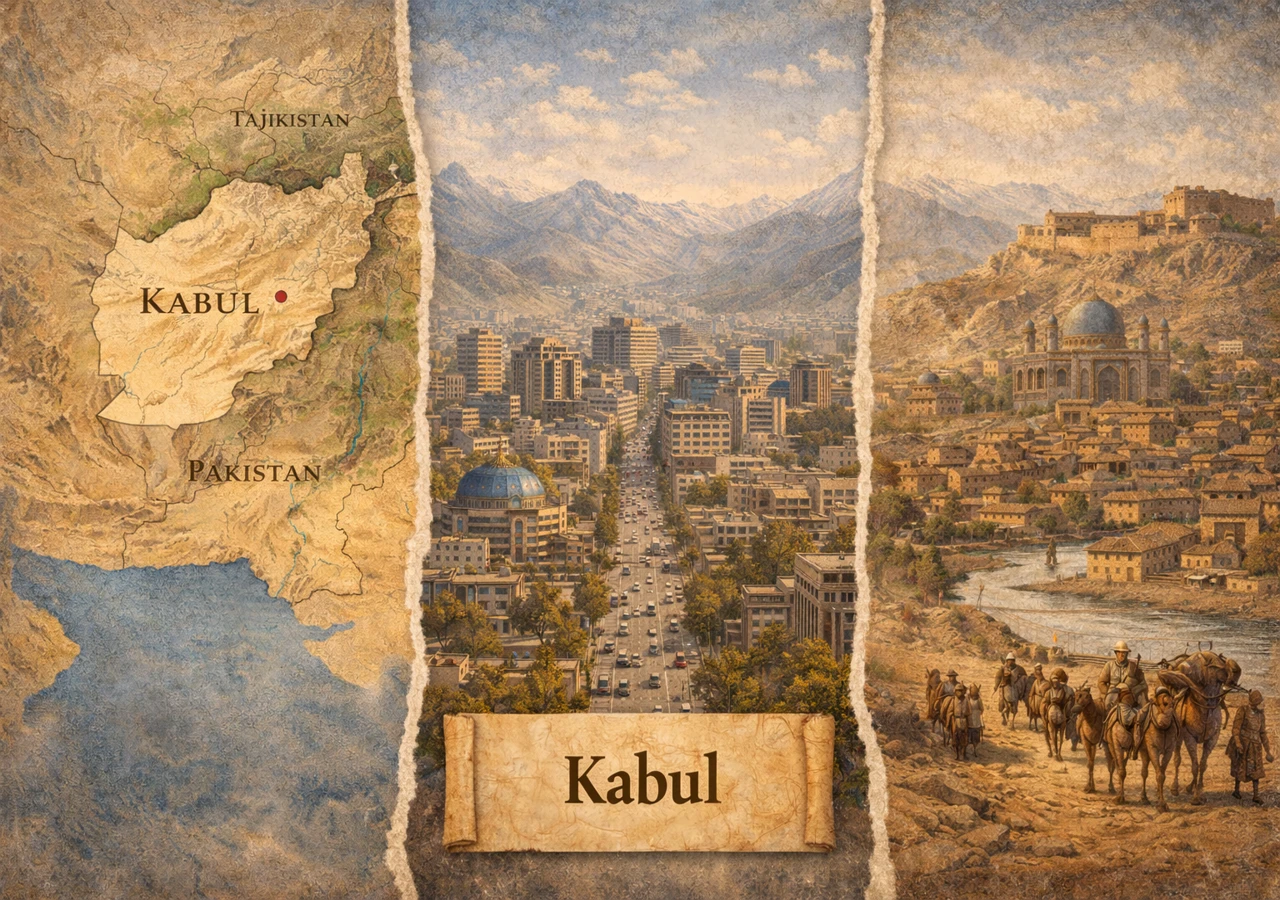
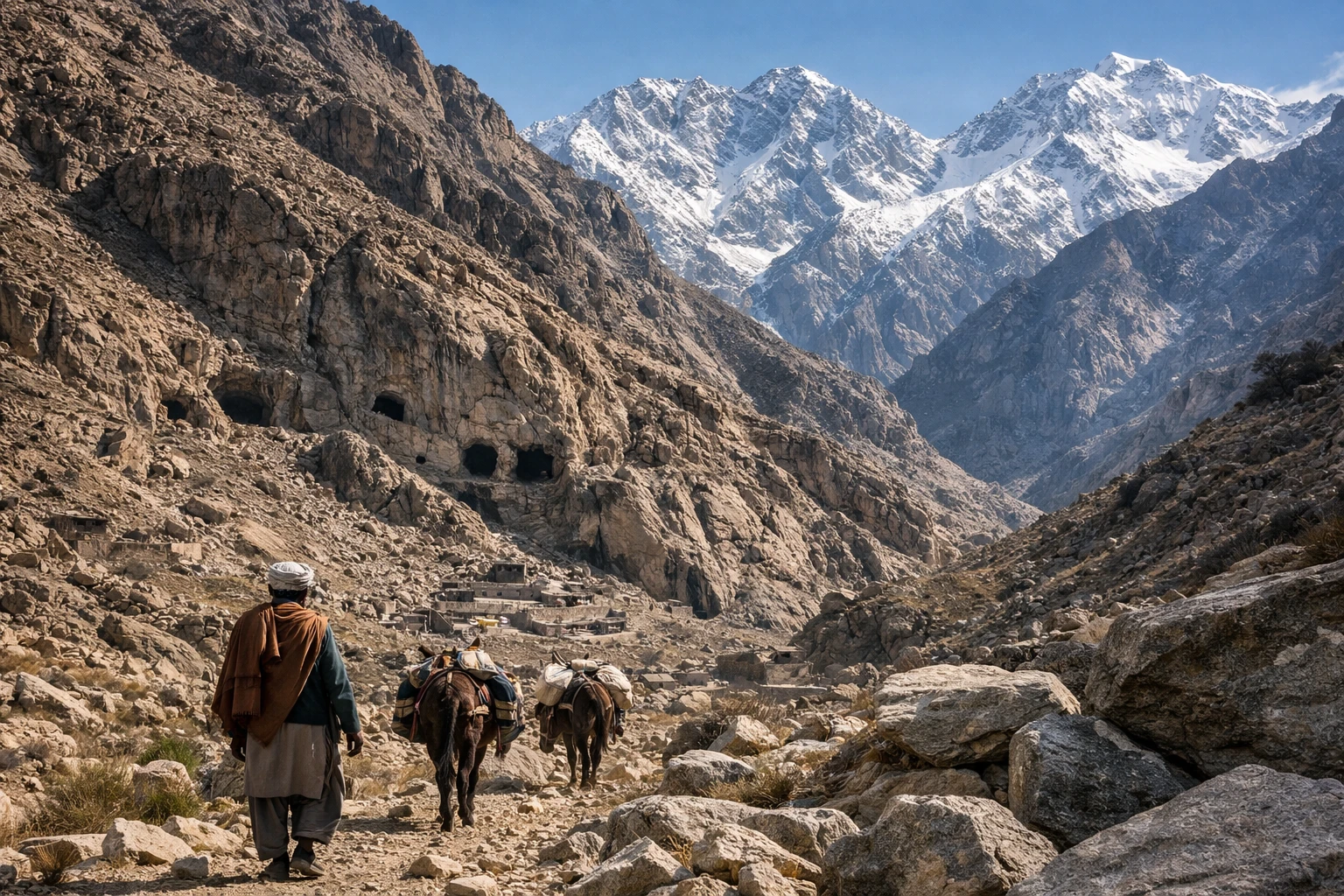
Kabul is located in eastern Afghanistan, in a high-altitude valley surrounded by mountains. The city lies along the Kabul River and connects several major regions of the country.
Its mountainous surroundings influence climate, transportation, and security, while also shaping how the city developed over time.
Kabul as the Capital City
Kabul serves as Afghanistan’s capital and administrative center. Government institutions, ministries, and national authorities are based there, making it the core of political decision-making.
As the capital, Kabul plays a central role in setting national policies and coordinating governance across the country.
Historical Importance of Kabul
Kabul has a long history dating back thousands of years. It was an important city along ancient trade routes that linked Central Asia, South Asia, and the Middle East.
Over different historical periods, Kabul served as a center of learning, trade, and regional administration.
Cultural and Educational Role
Kabul has traditionally been a cultural and educational hub. The city hosted schools, universities, libraries, and cultural institutions that attracted people from across Afghanistan.
Although access has changed over time, Kabul remains influential in shaping cultural trends and public discourse.
Economic and Trade Significance
Kabul is one of Afghanistan’s main economic centers. Markets, small industries, services, and trade activities are concentrated in the city.
Its location allows it to connect eastern regions with the rest of the country, supporting internal trade and commerce.
Population and Urban Life
Kabul is Afghanistan’s largest city by population. People from many regions and ethnic backgrounds live there, making it socially diverse.
Urban life in Kabul differs from rural areas, with more access to services, markets, and employment opportunities.
Security and Strategic Importance
Because Kabul hosts government institutions and infrastructure, it has always held strategic importance. Control over Kabul often signals control over national governance.
Its location and role make it a focal point in discussions about stability and administration.
Final Notes
Kabul is located in eastern Afghanistan and serves as the country’s political, historical, and economic heart. Its geographic position, long history, and role as the capital have made it central to Afghanistan’s national identity and governance. Understanding Kabul helps explain how Afghanistan functions as a state today.



No Comments