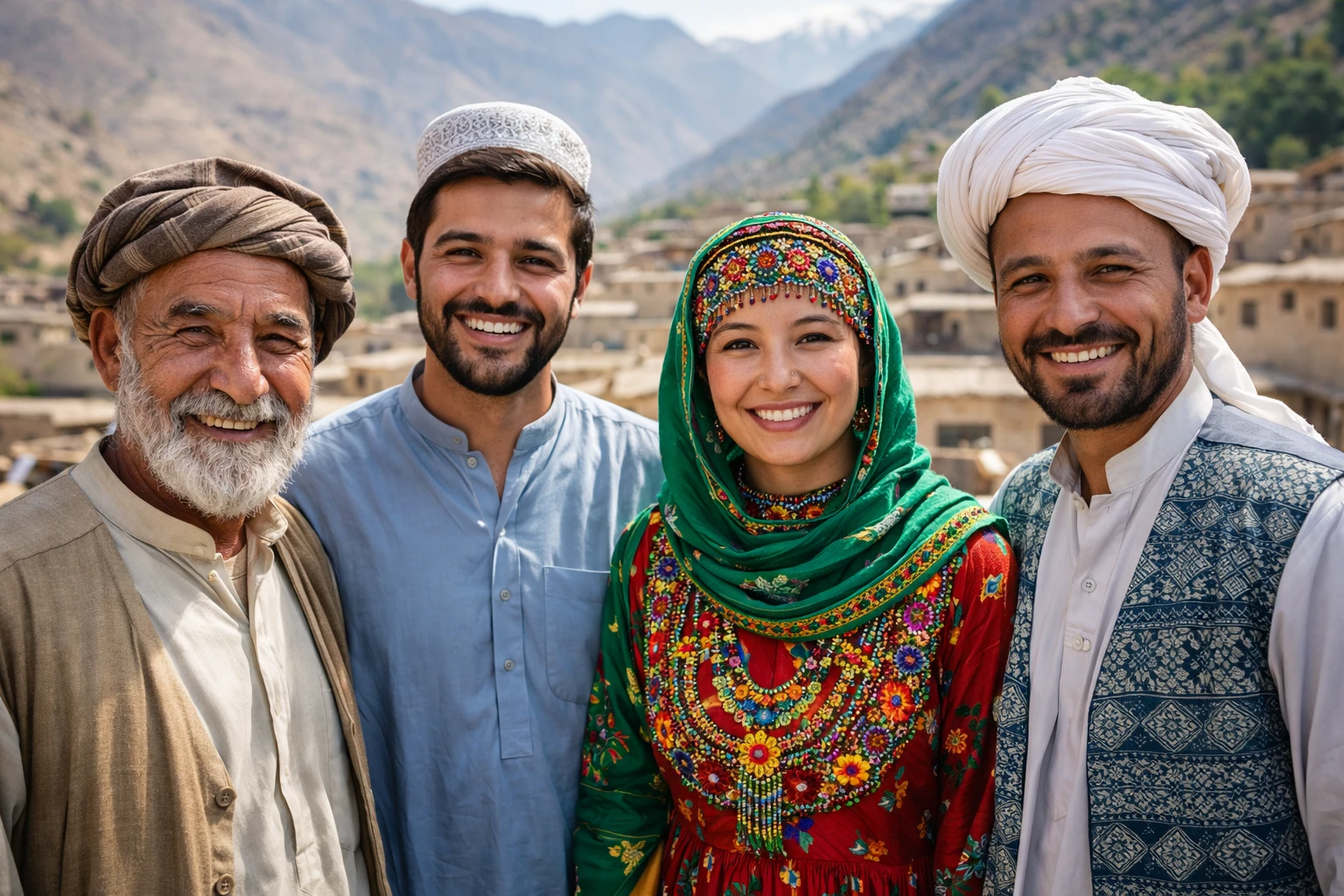
The Afghan people are a diverse population shaped by history, geography, and long-standing social traditions. Rather than being a single ethnic or cultural group, Afghans represent a wide range of identities, languages, and lifestyles. Understanding who the Afghan people are requires looking beyond stereotypes and focusing on everyday life, shared values, and social structure.
Overview of Afghan Society
Afghan society is built around family, community, and local traditions. Most people live in close-knit family networks where respect for elders, hospitality, and mutual support are highly valued. Social life often centers on the household, neighborhood, and extended family rather than formal institutions.
Despite decades of conflict and hardship, Afghan society has remained resilient and deeply rooted in tradition.
Major Ethnic Groups in Afghanistan
Afghanistan is home to several major ethnic groups, each with its own cultural characteristics.
Pashtuns
Pashtuns are the largest ethnic group and are mainly found in southern and eastern regions. Pashtun culture places strong emphasis on honor, hospitality, and traditional social codes.
Tajiks
Tajiks are primarily found in northern and central areas. Many Tajiks speak Dari as their first language and are often associated with urban life, trade, and education.
Hazaras
Hazaras mainly live in central Afghanistan. They have a distinct cultural identity and strong community ties and have historically played an important role in agriculture and local economies.
Uzbeks and Other Groups
Uzbeks, Turkmens, and smaller ethnic communities live mostly in the north. Each group contributes to Afghanistan’s cultural diversity through language, customs, and traditions.
Languages Spoken by Afghan People
Afghan people speak several languages, with Dari and Pashto being the most widely used. Other languages include Uzbek, Turkmen, Baluchi, and regional dialects.
Multilingualism is common, especially in cities, where people often speak more than one language in daily life.
Religion and Beliefs
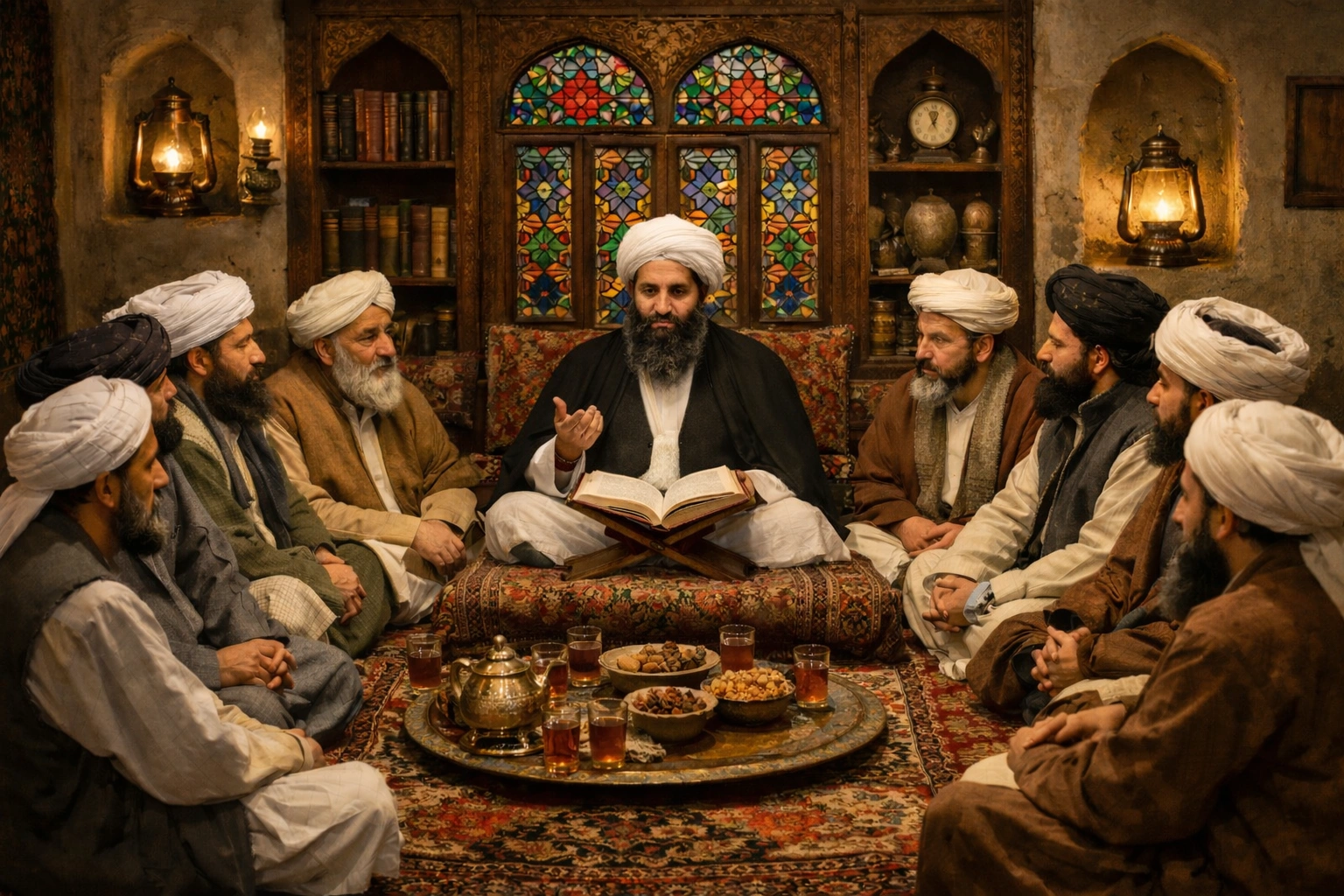
Most Afghan people are Muslim, and religion plays an important role in daily life, moral values, and social customs. Religious practices often blend with local traditions and cultural norms.
Faith influences daily routines, celebrations, and community relationships, but expressions of belief can vary widely between regions and individuals.
Daily Life and Traditions
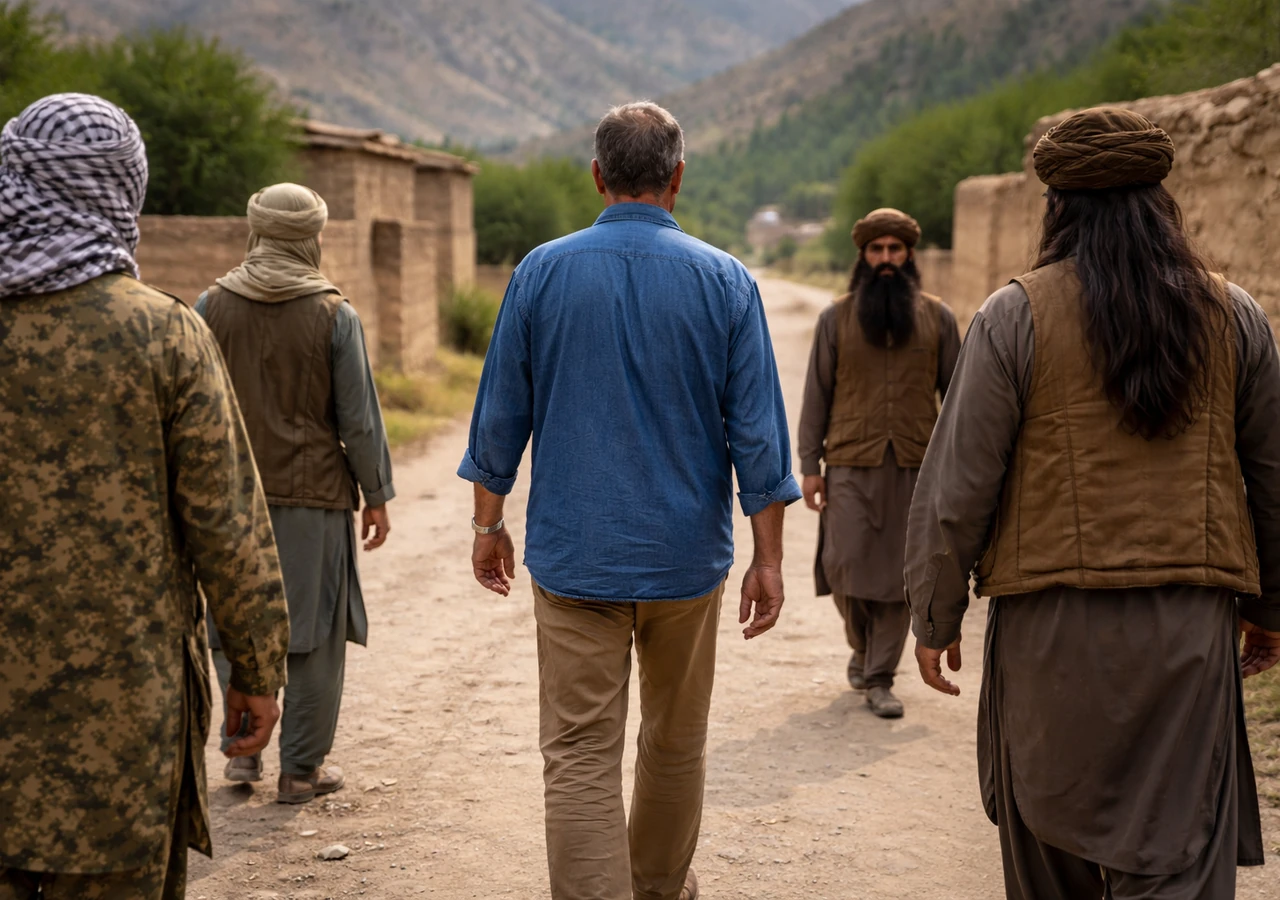
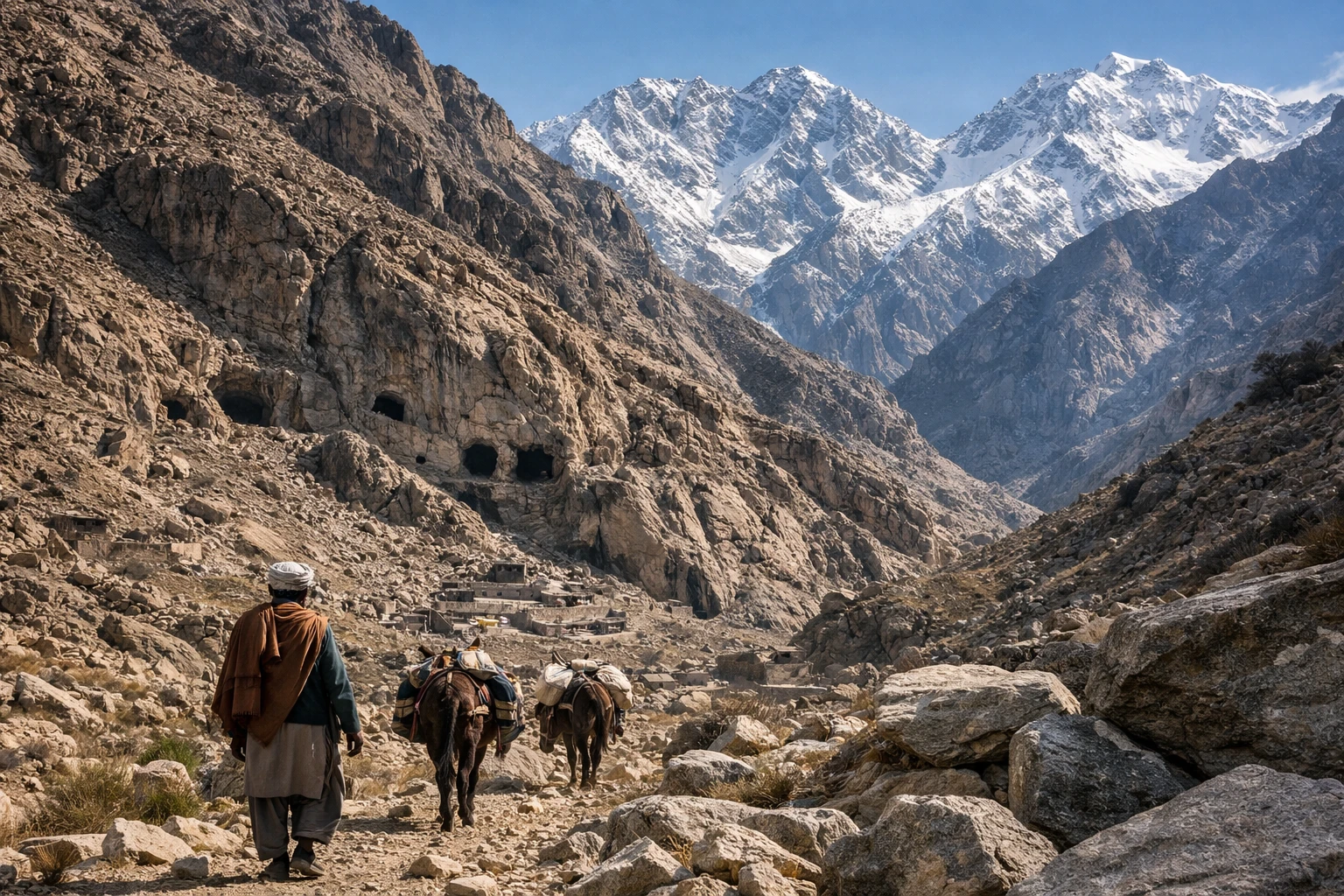
Daily life for Afghan people differs between urban and rural areas. In cities, people may work in offices, markets, or schools, while rural communities often focus on farming and livestock.
Common traditions include:
- Sharing meals with family
- Respecting guests
- Community gatherings
- Celebrating religious and cultural events
Despite regional differences, hospitality remains a shared value across the country.
Afghan People in the Modern World
Today, Afghan people live both inside Afghanistan and across a global diaspora. Many Afghans abroad maintain strong cultural ties through language, food, and family traditions.
Modern Afghan identity continues to evolve, balancing tradition with change while preserving core social values.
Conclusion
The Afghan people are not defined by a single identity. They are a diverse population connected by shared history, cultural values, and social traditions. Understanding who the Afghan people are means recognizing their diversity, resilience, and deep sense of community beyond simplified labels.



No Comments