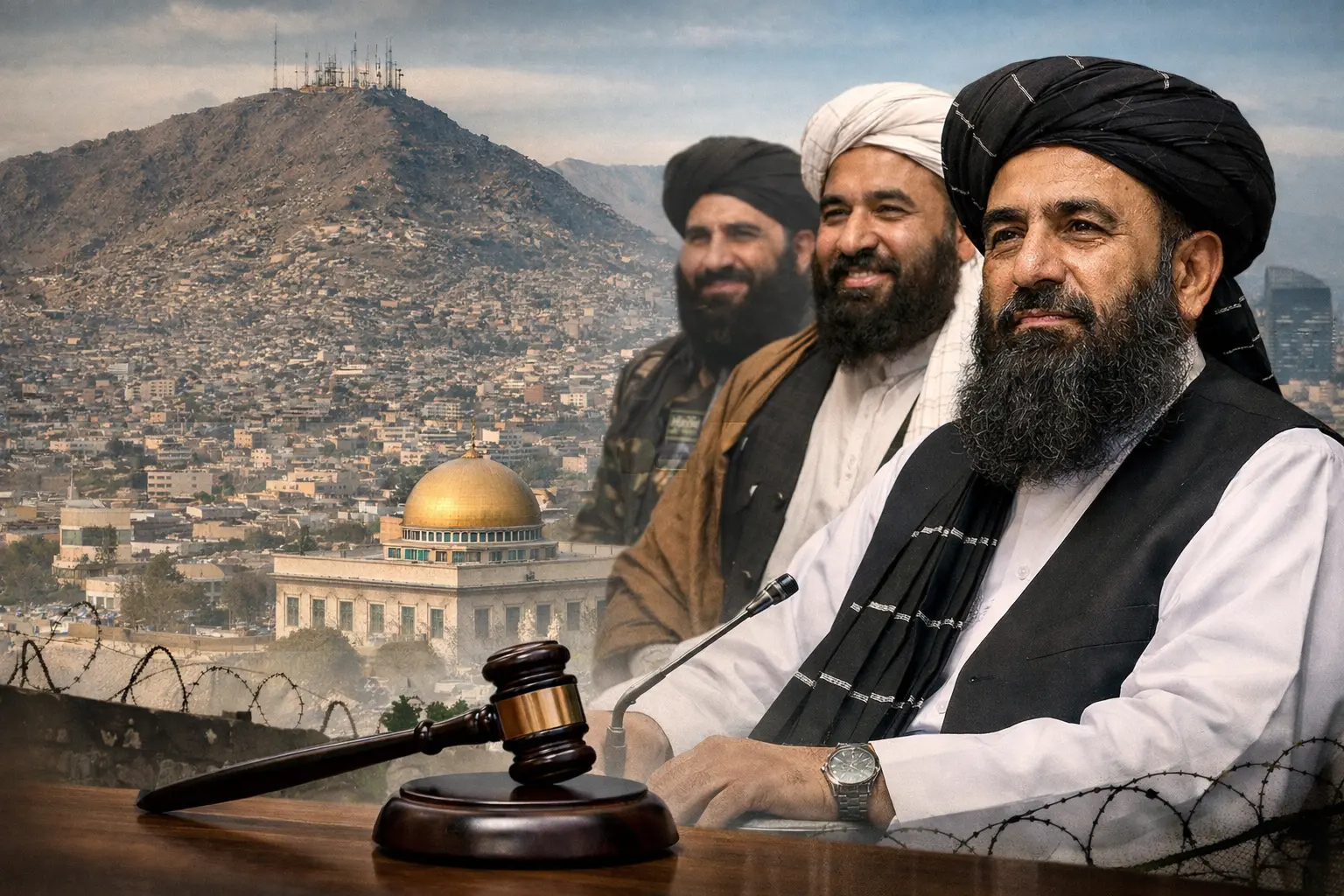
Afghanistan is currently governed under a centralized political system that differs from the republican model used in the past. Since 2021, power has been exercised through a structure rooted in religious authority rather than elections or a written constitution. To understand who governs Afghanistan today, it is necessary to look at the ruling authority, leadership hierarchy, and governing framework.
The Current Ruling Authority
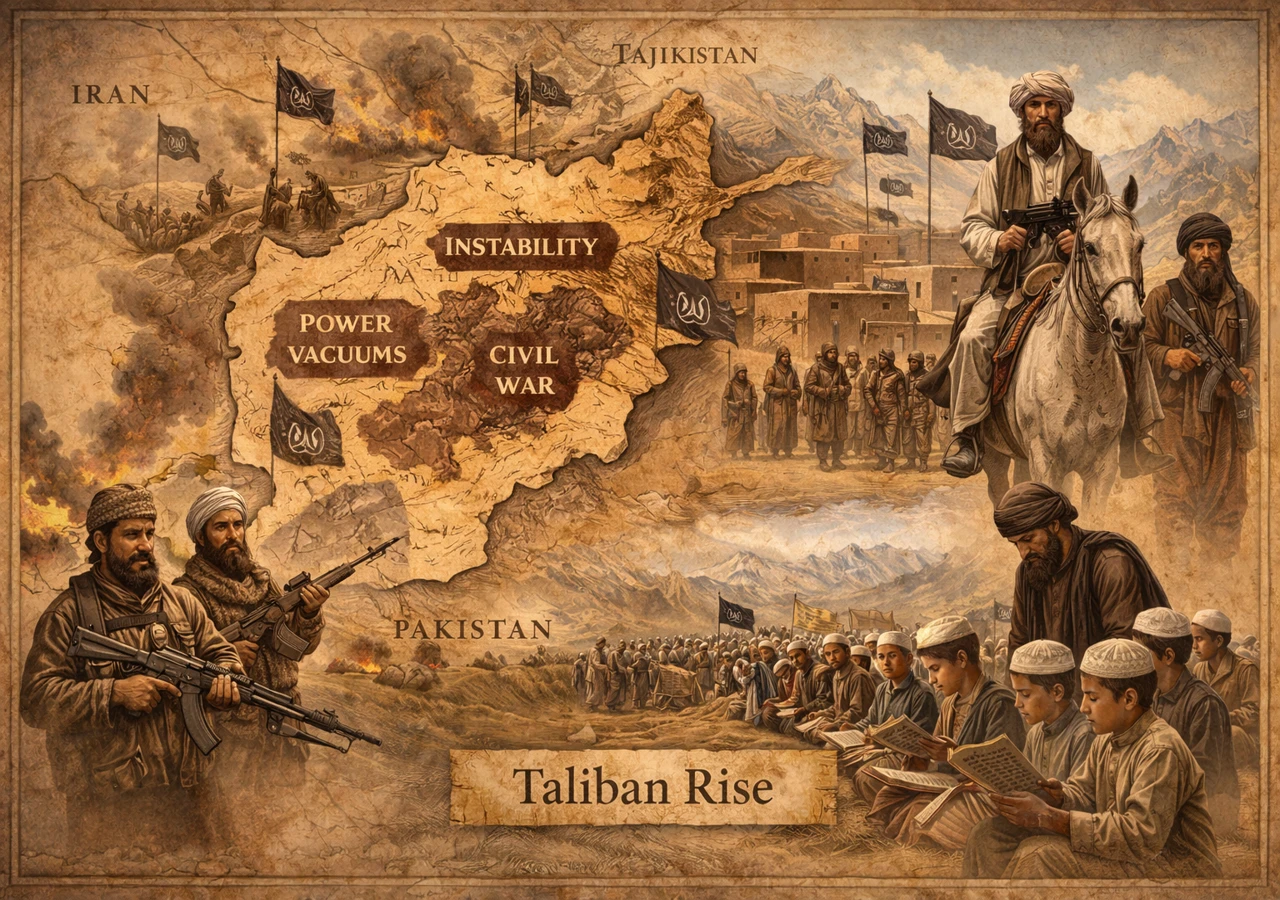
Afghanistan is governed by the Taliban, who returned to power in August 2021 after the collapse of the previous government. They declared the restoration of the Islamic Emirate and assumed full control over state institutions.
The current system is not based on popular elections, political parties, or parliamentary representation. Instead, authority flows from senior leadership to appointed officials across the country.
Supreme Leadership and Central Authority
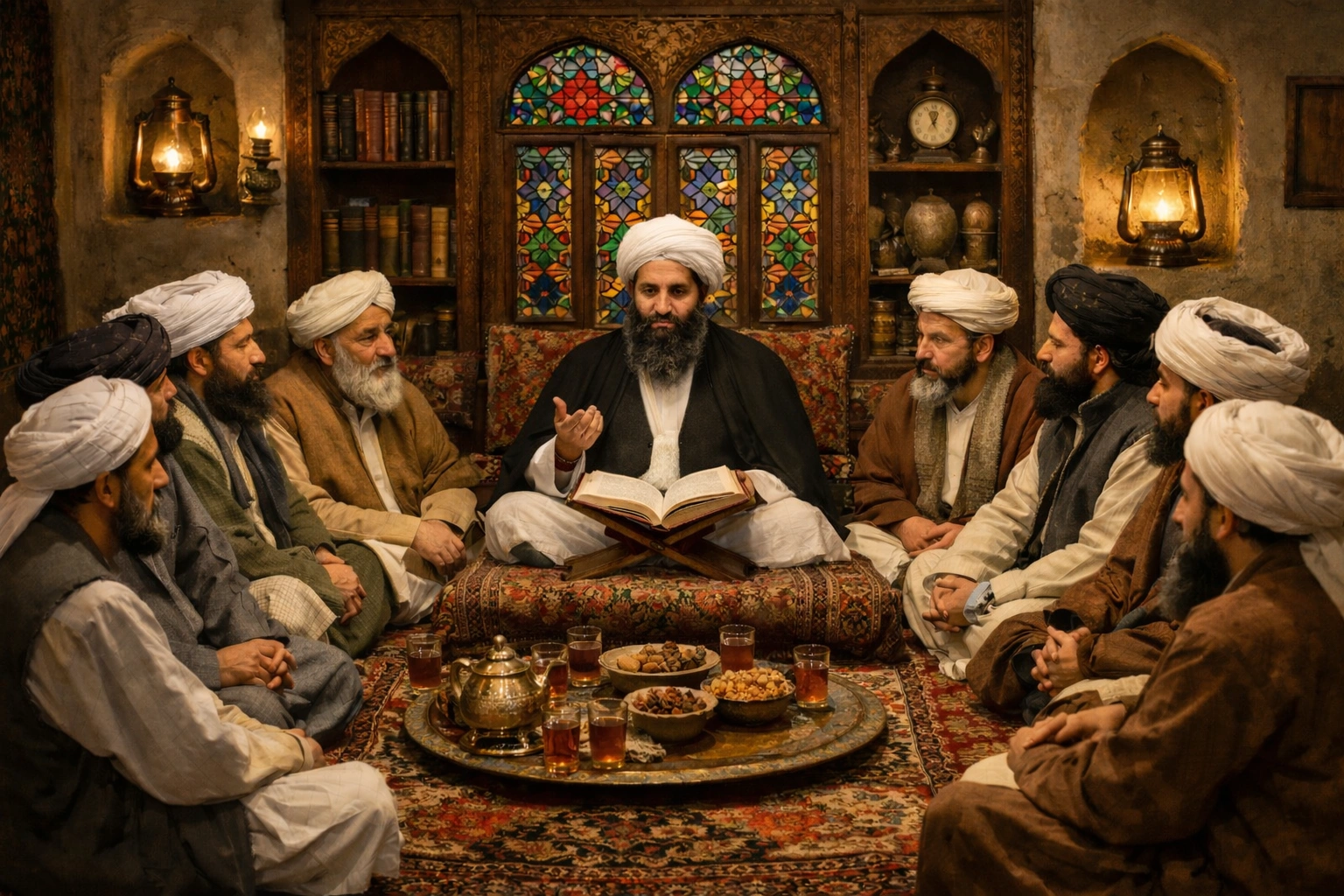
At the top of Afghanistan’s governing system is the supreme leader, who holds final authority over political, military, judicial, and religious matters. His decisions shape national policy and are binding across all institutions.
The supreme leader is advised by senior clerics and trusted figures, but governance remains highly centralized, with limited transparency in decision-making.
Caretaker Government and Ministries
Afghanistan operates under a caretaker government structure. Ministries such as foreign affairs, finance, health, education, and interior manage day-to-day administration and public services.
Ministers and senior officials are appointed by leadership rather than elected. Their authority is conditional on loyalty and adherence to ideological guidance rather than institutional independence.
Provincial and Local Governance
Provincial governors and district officials are appointed directly by central authorities. Their main responsibilities include maintaining security, enforcing directives, and overseeing basic administration.
Local governance focuses on order and control rather than public representation or local elections.
Legal and Judicial Authority
The justice system is based primarily on religious courts. Judges apply rulings derived from religious interpretations rather than a unified national civil or criminal code.
Legal authority operates alongside administrative governance, reinforcing centralized control across society.
Public Participation and Accountability
There are no national elections or formal mechanisms for citizen participation in governance. Political opposition and independent civil society activity are limited.
Accountability is internal, meaning officials report upward to leadership rather than to the public.
International Engagement and Recognition
While the current government is not formally recognized by most countries, it maintains working-level engagement with regional states and international organizations, mainly on humanitarian and economic issues.
Foreign relations are managed pragmatically, focusing on stability and aid rather than diplomatic recognition.
Final Overview
Afghanistan today is governed through a centralized system led by the Taliban, where authority is rooted in religious leadership and enforced through appointed institutions. The absence of elections, limited public participation, and restricted international recognition define how power is exercised in the country at present.




No Comments