Many international readers ask a simple but important question: who is the leader of Afghanistan today? Since 2021, the country’s leadership system has changed significantly, and understanding how power is organized helps explain current governance and decision-making in Afghanistan.
Afghanistan’s Current Leadership Structure
Afghanistan is currently governed under the Islamic Emirate of Afghanistan. Unlike a republic with elections and a constitution-based presidency, authority is centralized and guided by religious leadership. Power is not distributed through political parties or public voting but through an internal hierarchy.
At the top of this structure is Hibatullah Akhundzada, who is widely recognized as the current leader of Afghanistan. He holds the title Amir al-Mu’minin, meaning “Commander of the Faithful,” which places him above all other political and administrative figures.
Who Leads Afghanistan Now and How Authority Works
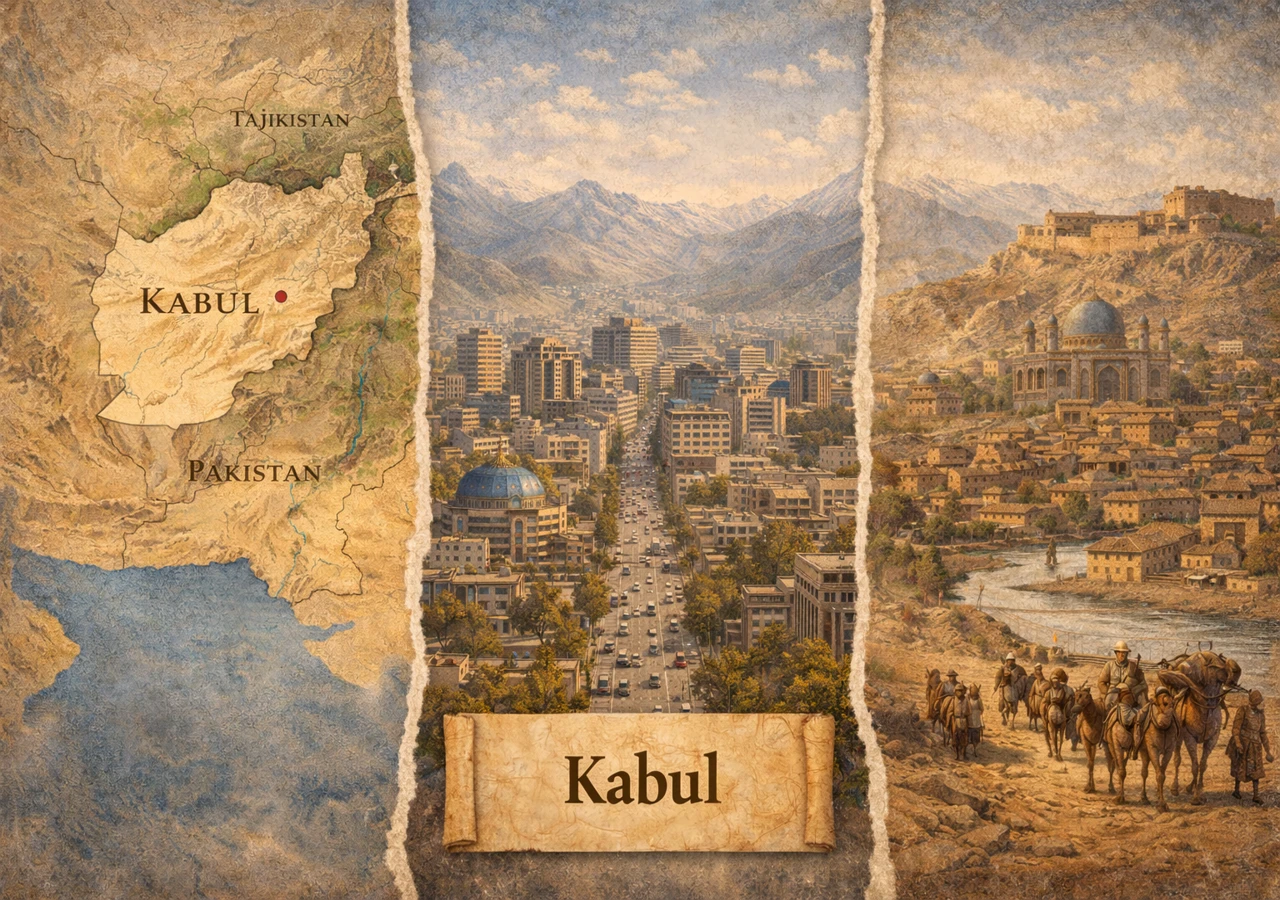
For those asking who leads Afghanistan now, the answer lies in understanding the difference between formal administration and ultimate authority. While ministries and government offices operate in Kabul, the final authority rests with the supreme leader.
Hibatullah Akhundzada does not function like a president or prime minister. Instead, he provides religious and ideological guidance that shapes laws, policies, and governance priorities across the country. Major decisions require his approval, even if they are implemented by other officials.
Religious Authority at the Center of Power
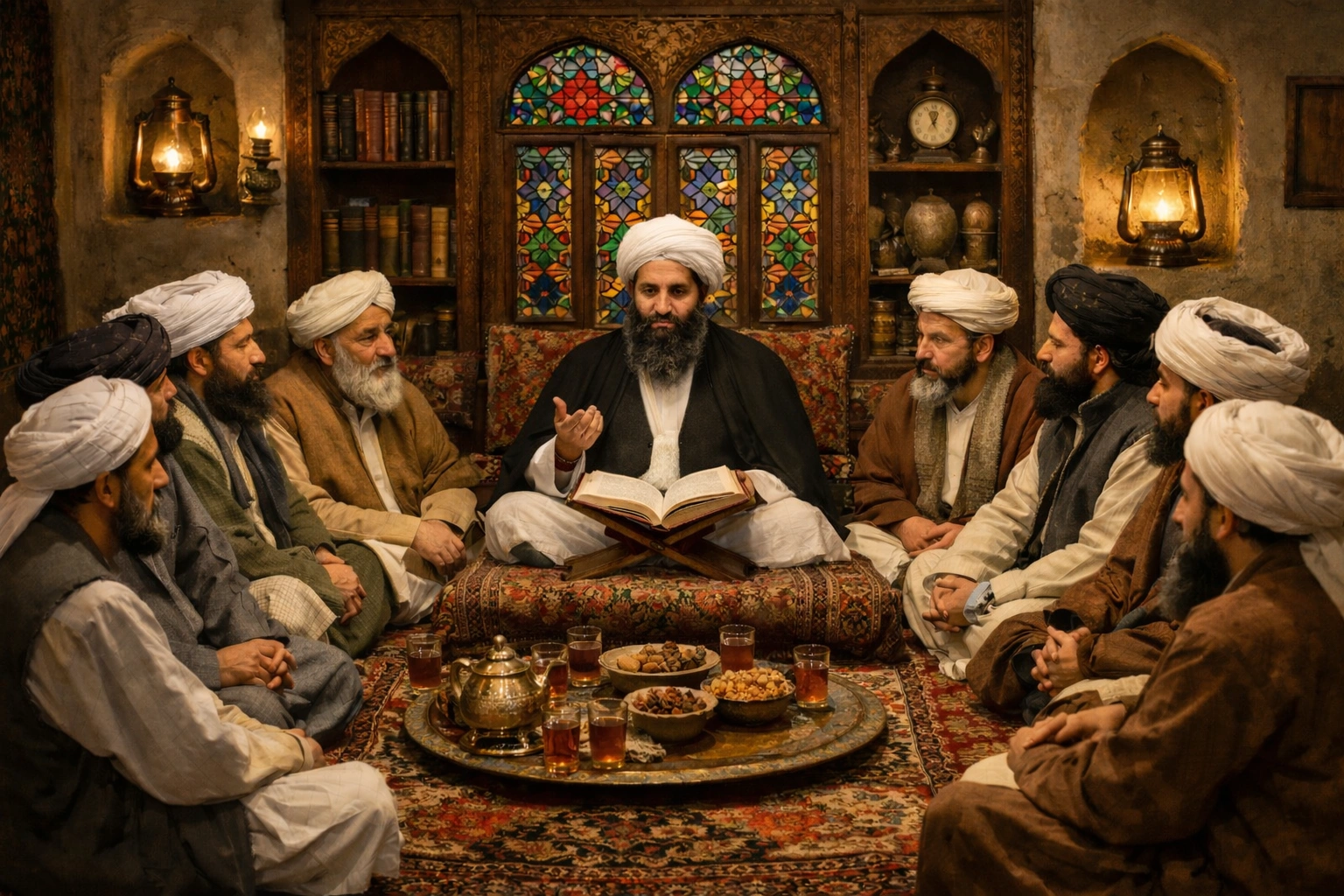
The current leader of Afghanistan is primarily a religious scholar rather than a public political figure. Akhundzada rose through the ranks due to his background in Islamic jurisprudence and his long involvement in judicial and religious affairs.
Before becoming leader, he served as chief justice during the Taliban’s earlier period in power and later became a key figure issuing religious rulings. This background explains why Afghanistan’s leadership today is closely tied to religious interpretation rather than political negotiation.
Limited Visibility of Afghanistan’s Leader
People searching who is the leader of Afghanistan today often notice the absence of public appearances. Akhundzada rarely appears in public, and very limited verified media exists about him. Only one old photograph and a small number of audio messages have been released.
This low profile is deliberate. Leadership relies on authority within the movement rather than public visibility. Messages are typically delivered from Kandahar, which functions as the spiritual and ideological center of power.
How the Leader of Afghanistan Is Chosen
Another common question is how the leader of Afghanistan is chosen. The process does not involve elections or public participation. Instead, the leader is selected internally by senior figures within the Taliban leadership structure.
Akhundzada was appointed in 2016 after the death of the previous leader. Since then, his authority has expanded, particularly after the Taliban regained control of Afghanistan in 2021.
Leadership Since 2021
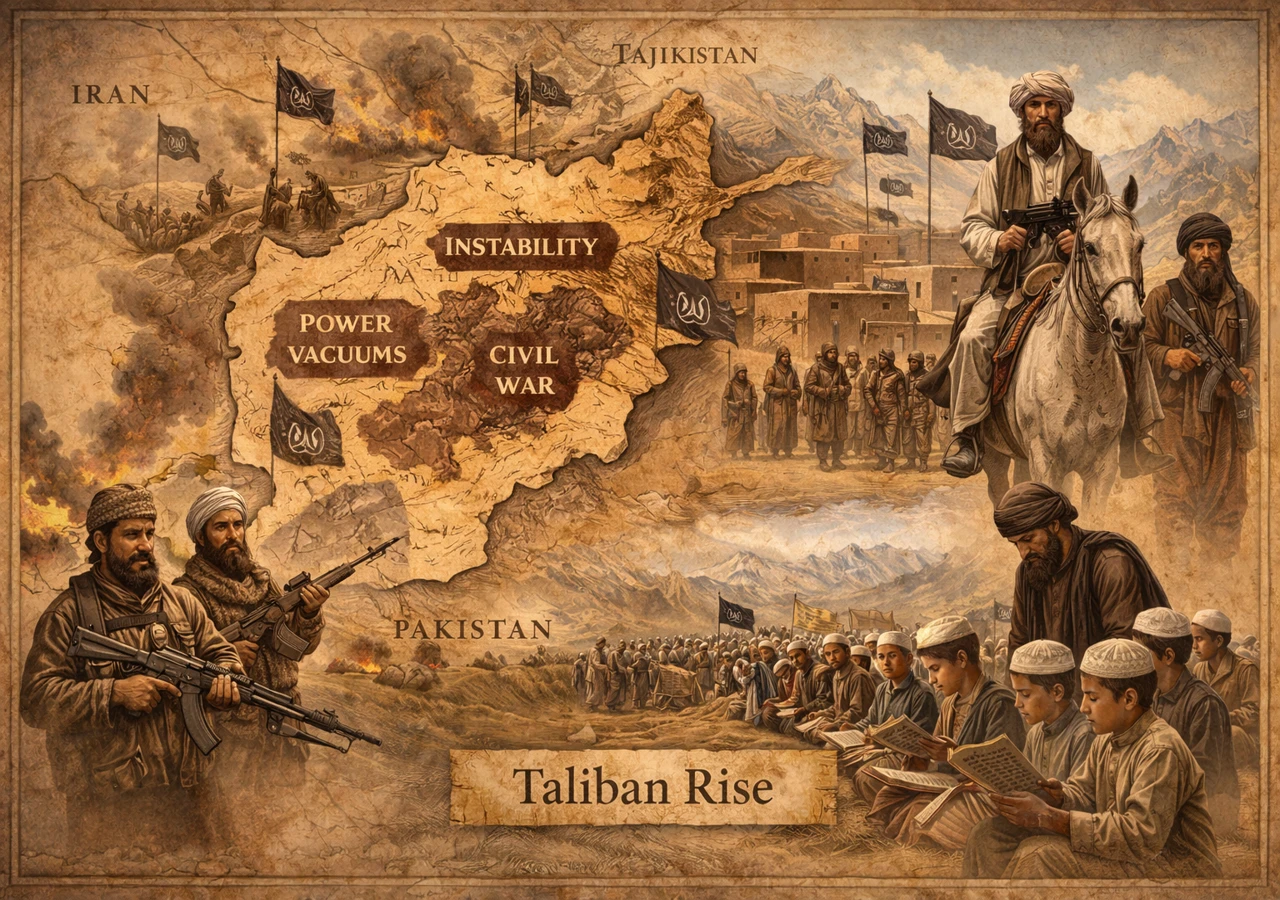
After August 2021, when the Taliban took control of Kabul, the question of who controls Afghanistan became clearer. The Islamic Emirate consolidated authority nationwide, and Akhundzada remained the ultimate decision-maker.
Since then, governance has emphasized strict interpretation of Islamic law. Policies affecting education, public life, and social rules are issued through decrees rather than legislation. This approach has also influenced Afghanistan’s international relations and lack of formal diplomatic recognition.
Who Controls Afghanistan in Practice
In practical terms, Afghanistan’s leadership operates on two levels. Day-to-day governance is handled by ministers and local officials, while strategic and ideological control remains with the supreme leader. This structure explains why observers often describe Afghanistan’s leadership as centralized and hierarchical.
Despite internal debates reported by analysts, Akhundzada continues to hold decisive influence, and no alternative leadership structure has emerged.
Closing Perspective
Afghanistan today is led by a supreme religious authority rather than an elected political figure. For anyone asking who is the leader of Afghanistan today, the answer is clear: leadership rests with Hibatullah Akhundzada, whose role combines religious legitimacy with centralized control. Understanding this system is key to understanding how Afghanistan is governed in the current era.



No Comments