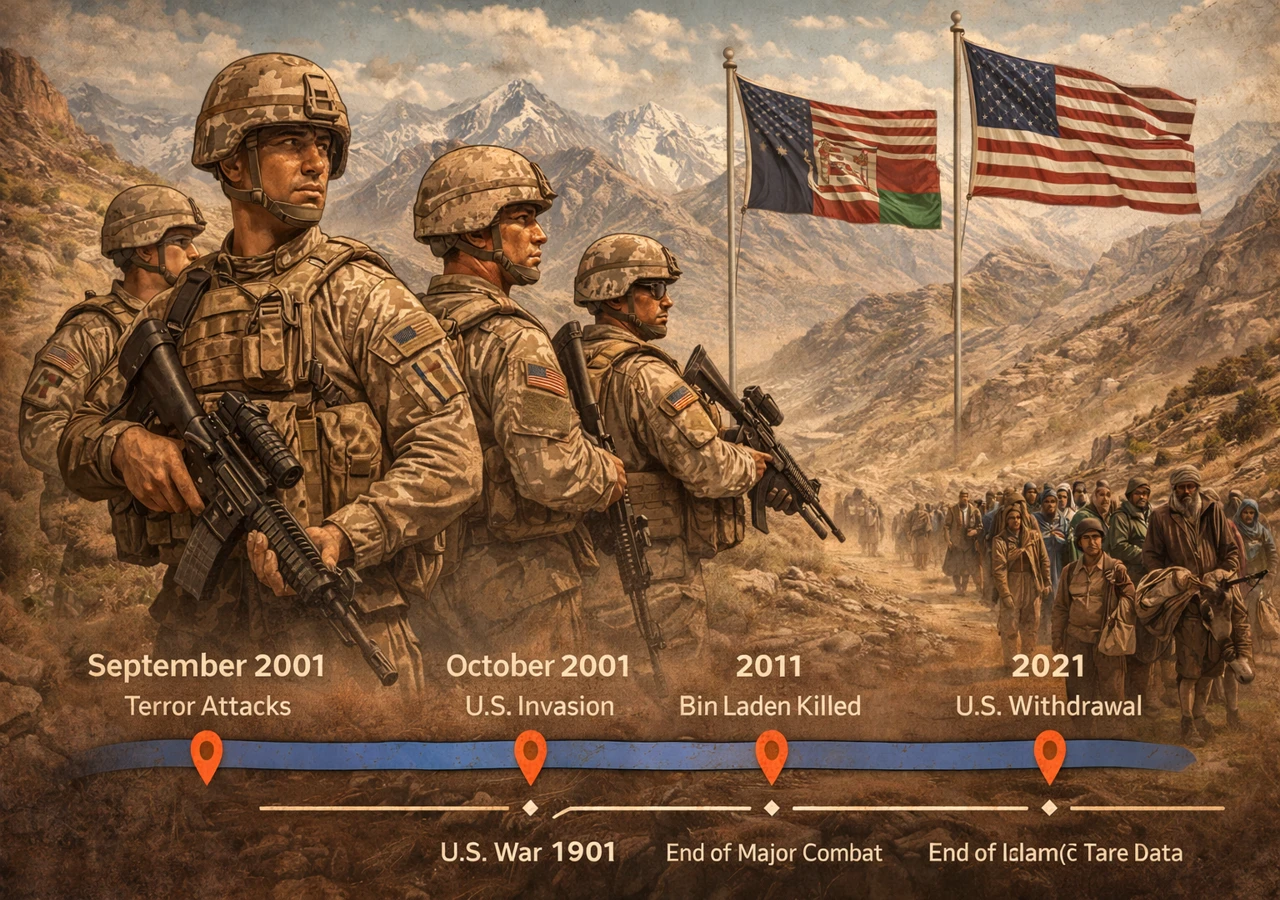
The United States went to Afghanistan in 2001 as a response to international security concerns following major terrorist attacks. The intervention was driven by counterterrorism objectives, alliance commitments, and broader global security goals. Over time, the mission expanded and evolved, shaping Afghanistan’s political, military, and social landscape for two decades.
Understanding why the United States went to Afghanistan requires looking at the initial causes, the changing mission, and the wider international context.
The Events That Triggered U.S. Involvement
In September 2001, the United States experienced large-scale terrorist attacks that reshaped its national security policy. The attacks were linked to an international extremist network operating from Afghanistan at the time.
The U.S. government demanded action against those responsible and sought cooperation from Afghan authorities. When these demands were not met, military action followed.
Counterterrorism Objectives
The primary goal of the U.S. intervention was to dismantle extremist groups and prevent Afghanistan from being used as a base for international terrorism. This included targeting training camps, leadership networks, and support systems.
Counterterrorism remained a central justification throughout the U.S. presence.
Alliance and International Support
The United States acted with support from international allies. Many countries joined the intervention under collective security agreements, viewing the situation as a shared global threat.
This international backing expanded the mission beyond a unilateral action.
Removal of the Existing Government
Another early objective was the removal of the ruling authorities that were seen as providing protection to extremist groups. This led to rapid political change and the establishment of a new government structure.
The focus then shifted from military action to state-building and governance.
Nation-Building and Institutional Development
Over time, U.S. involvement expanded beyond counterterrorism. Efforts included building security forces, supporting government institutions, and promoting economic and social development.
These goals significantly increased the scale, cost, and duration of the mission.
Security Challenges and Insurgency
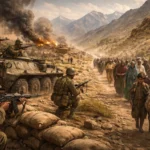
Despite early gains, armed opposition continued and adapted. Insurgent activity increased in many regions, leading to prolonged conflict.
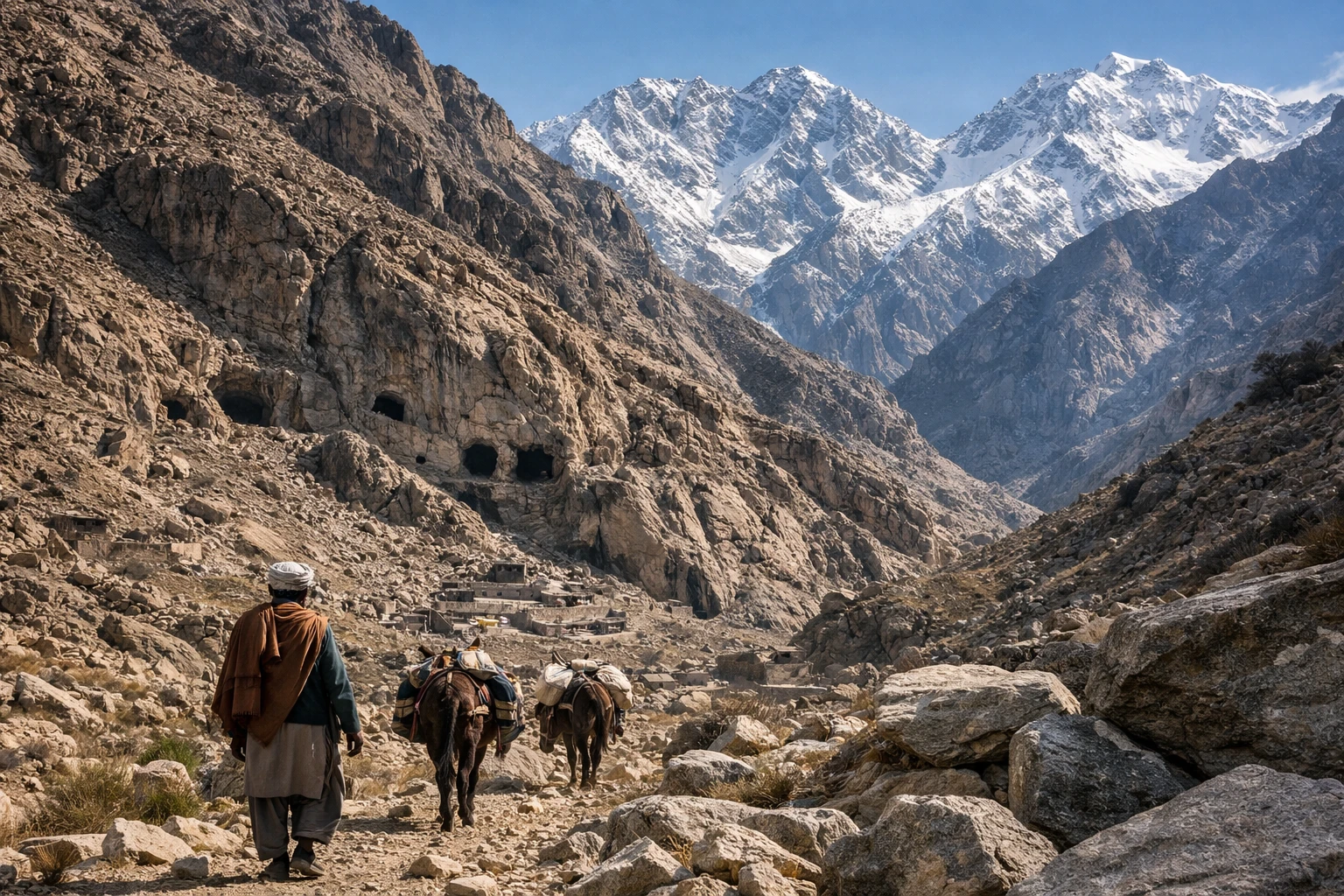
Maintaining security became increasingly complex due to Afghanistan’s terrain, local dynamics, and regional factors.
Shifting U.S. Strategy
U.S. strategy changed multiple times over the years. Approaches ranged from military-focused operations to negotiation and eventual withdrawal planning.
Each shift reflected changing assessments of costs, effectiveness, and long-term objectives.
Withdrawal and End of the Mission
After nearly twenty years, the United States decided to end its military presence. The withdrawal was based on the assessment that continued involvement would not achieve lasting stability through military means alone.
The end of the mission marked a major turning point for Afghanistan and U.S. foreign policy.
Final Notes
The United States went to Afghanistan primarily for counterterrorism reasons following global security threats. Over time, the mission expanded into governance and development efforts, becoming one of the longest and most complex foreign interventions in U.S. history. Understanding this progression helps explain both the length of the conflict and its lasting impact on Afghanistan and the international community.



No Comments