Afghanistan’s importance to the world is rooted in three core factors: its geographic position, its historical role, and its natural resources. International scholars, historians, and policy analysts consistently point to these elements when explaining why global powers have remained focused on Afghanistan for centuries.
A Strategic Geographic Crossroads
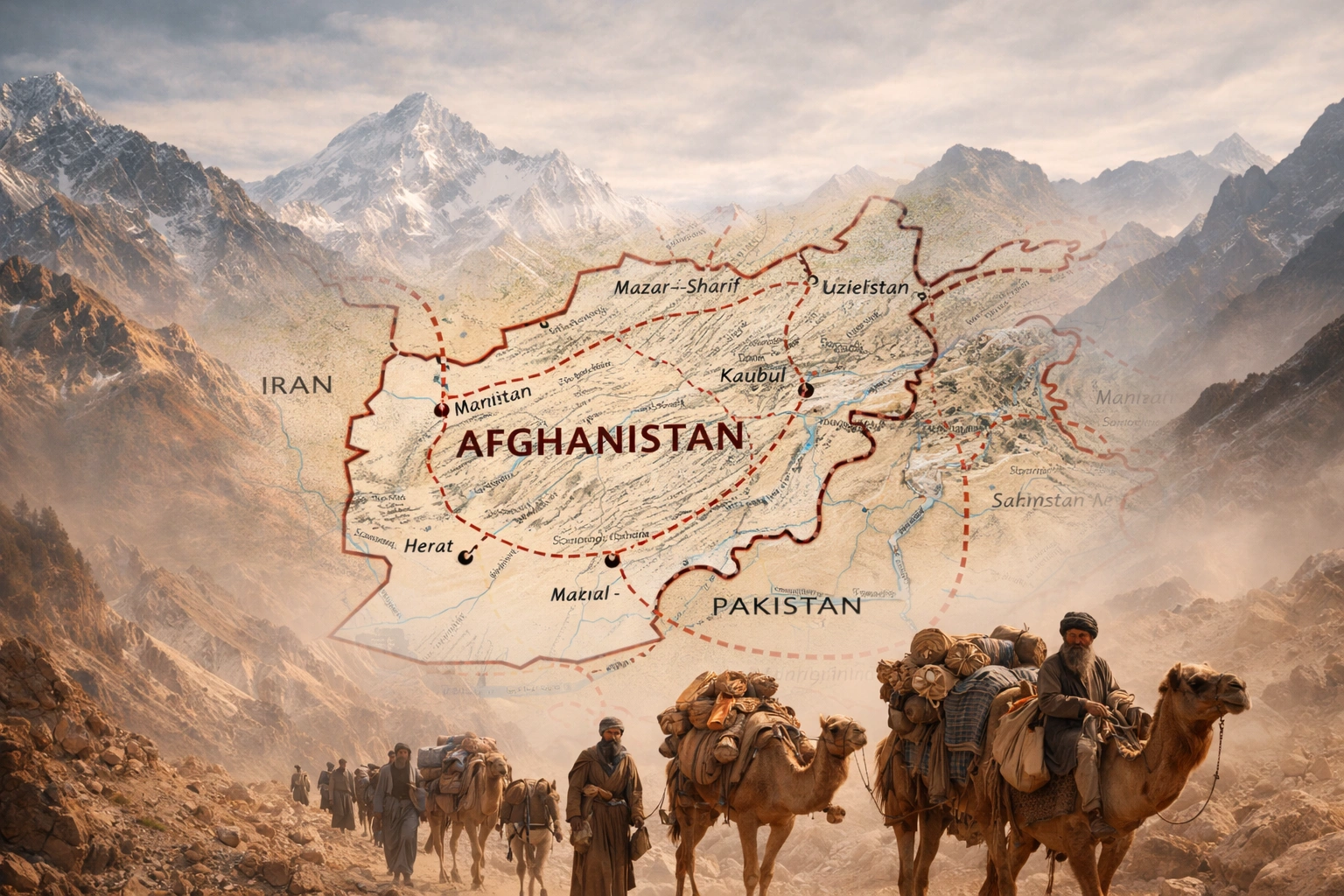
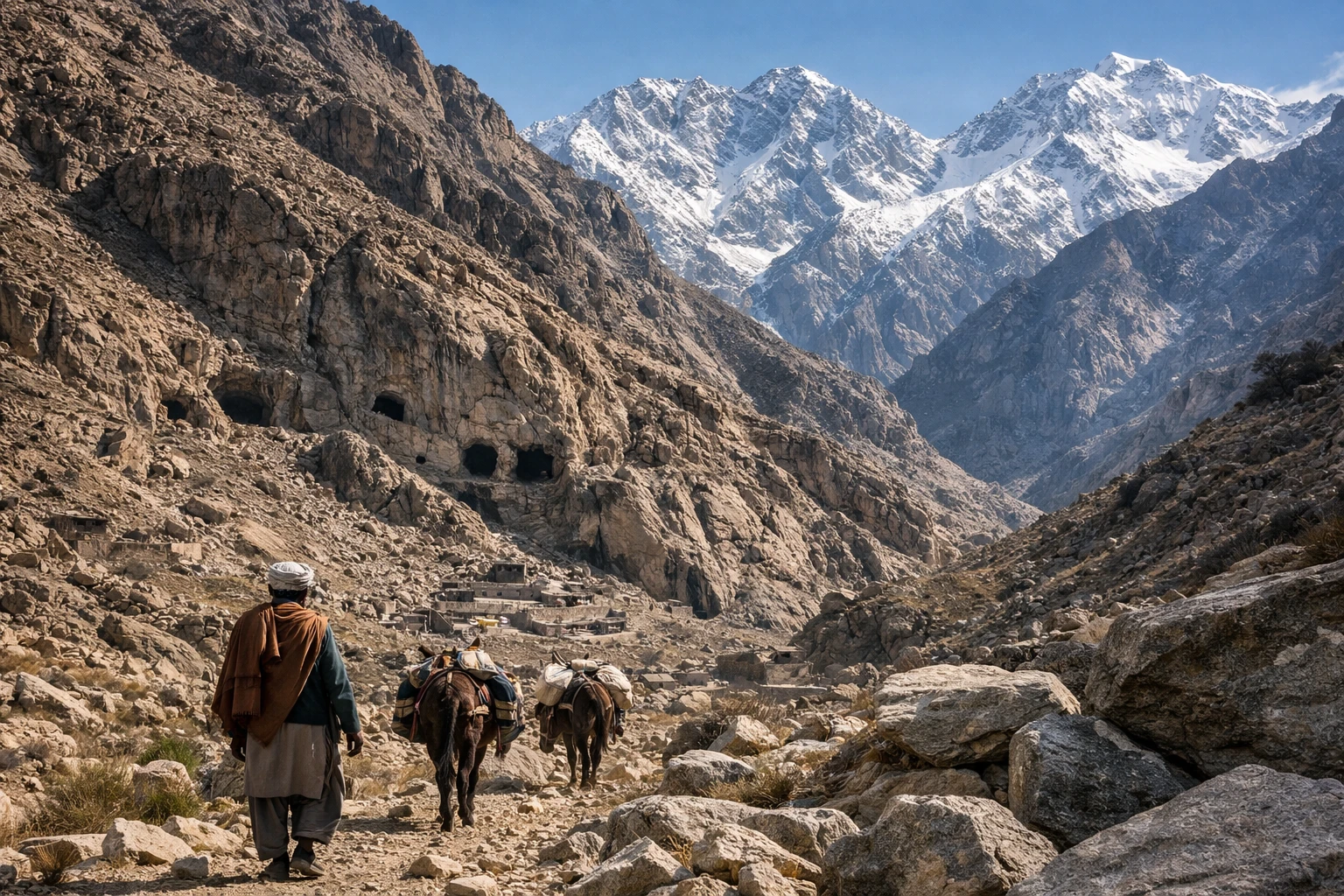
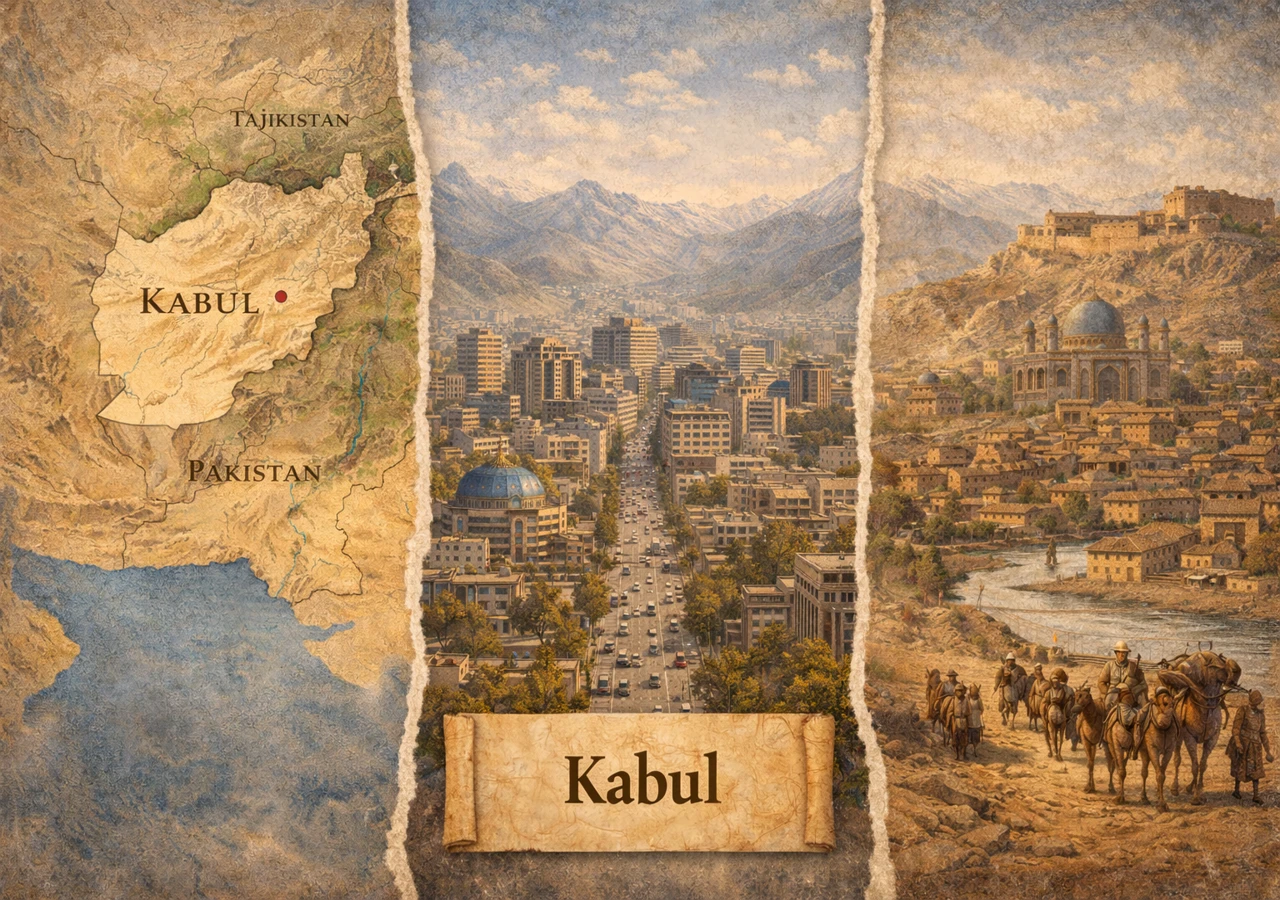
Afghanistan is located at the heart of Asia, connecting Central Asia, South Asia, East Asia, and the Middle East. According to international geographic and geopolitical studies, this position makes Afghanistan a natural corridor between regions.
Its location historically linked:
- Central Asian steppes
- The Indian subcontinent
- Persian and Middle Eastern regions
This crossroads status has shaped trade, migration, and military strategy for thousands of years.
Afghanistan and Historic Trade Routes
Foreign historians widely recognize Afghanistan as a key passage of ancient trade networks, including routes associated with the Silk Road. These routes allowed the movement of goods, cultures, and ideas between civilizations.
Historical records show that merchants, scholars, and empires used Afghan territory to connect:
- China and Central Asia
- Persia and South Asia
- The Mediterranean world and the East
This made Afghanistan a bridge between civilizations rather than a peripheral region.
Geopolitical Significance in Global Strategy
Modern international policy research highlights Afghanistan’s role in regional balance. Because it borders or lies close to major powers and regions, developments inside Afghanistan often influence broader geopolitical dynamics.
Global analysts note its relevance to:
- Regional security in Asia
- Cross-border trade routes
- Diplomatic competition among global powers
This explains why Afghanistan repeatedly appears in international strategic planning.
Mineral Resources and Economic Potential
According to foreign geological surveys and international reports, Afghanistan holds significant untapped mineral resources. These include materials essential for modern industries and global supply chains.
International interest focuses on:
- Copper
- Lithium
- Rare earth elements
- Iron and other industrial minerals
While extraction remains limited, global studies consider Afghanistan’s resource potential strategically important for the future global economy.
Historical Influence on World Empires
Foreign historians often describe Afghanistan as a region that shaped the limits of empires. From ancient conquerors to modern powers, Afghanistan has influenced global history through resistance, adaptation, and cultural continuity.
Its terrain, society, and strategic position played roles in:
- Ancient imperial expansion
- Medieval regional control
- Modern geopolitical competition
This historical pattern contributes to its continued global relevance.
Cultural and Civilizational Depth
International academic research highlights Afghanistan’s role as a meeting point of civilizations. The country reflects influences from:
- Persian civilization
- Central Asian traditions
- South Asian culture
- Islamic intellectual history
This layered cultural identity gives Afghanistan significance beyond politics or economics.
Afghanistan’s Role in Global Stability
Foreign policy experts often link Afghanistan’s internal stability to wider regional and global effects. Stability affects:
- Migration patterns
- Regional cooperation
- International security planning
As a result, Afghanistan remains part of global discussions about long-term stability in Asia.
Final Notes
Afghanistan is important to the world because of its central geographic location, historic role in global trade, rich mineral resources, and long-standing influence on regional and global history. International sources consistently emphasize that Afghanistan’s significance is structural, not temporary. Understanding its importance requires looking at geography, history, and resources together—not in isolation.



No Comments